

Your Guide: How to Get Clear Skin Naturally in the UK
If you've ever felt frustrated by breakouts that just won't quit, you're not alone. Figuring out how to get clear skin naturally is probably more within your reach than you think. This guide moves past the quick fixes to dig into a holistic approach that works from the inside out. We'll explore everything from nutrient-packed foods and smart lifestyle habits to targeted supplements and a simple, effective topical routine.
Your Journey to Naturally Clear Skin Starts from Within
Getting that clear, healthy glow is about so much more than the creams and serums you use. Real, lasting skin health is a mirror of what’s going on inside your body—specifically, the delicate dance between your hormones, gut health, and stress levels. When any of these are out of balance, your skin is often the first to send out an S.O.S. in the form of inflammation, breakouts, or irritation.
Think of this guide as your roadmap to taking control. We'll walk through sustainable, natural methods that get to the root of the problem, giving you the tools to build a routine that creates lasting results.
A Holistic View on Skin Health
A holistic strategy recognises that clear skin isn't down to just one thing. It's about creating an environment where your body—and by extension, your skin—can truly thrive. This means weaving together a few key pillars:
- Nourishment from the Inside: Fuelling your body with anti-inflammatory foods that are bursting with skin-loving vitamins and minerals.
- Lifestyle Harmony: Making quality sleep a non-negotiable and getting a handle on stress to keep hormones like cortisol in check.
- Targeted Support: Using high-quality supplements like omega-3 and ashwagandha to bridge any nutritional gaps and bolster your body's stress response.
- Gentle Topical Care: Adopting a simple, non-irritating skincare routine that works with your skin's natural barrier, not against it.
The biggest shift happens when you understand the connection between your internal health and what you see in the mirror. Stop thinking of your skin as the problem. Instead, see it as a messenger, telling you exactly what your body needs.
This integrated approach has never been more relevant. In the UK, the number of young people dealing with acne has been quietly creeping up, rising from 13.57% in 1990 to 14.65% in 2021. And it's not just a teenage issue; research shows that up to 60% of adults will experience acne at some point. This highlights just how much we need accessible, evidence-based strategies that work. You can find more data on these skin condition statistics on BDNG.org.uk. Let's get started on building a routine that finally works for you.
The Anti-Inflammatory Diet for a Clear Complexion
You’ve probably heard the saying "you are what you eat," and when it comes to your skin, that’s spot on. The link between your diet and a clear complexion is a cornerstone of achieving healthy, glowing skin from the inside out. An anti-inflammatory diet isn't about harsh restrictions. It's about making smart, strategic choices to calm internal inflammation, balance your hormones, and feed your skin what it truly needs.
Many common skin problems, especially acne, are driven by inflammation. When you eat foods that your body struggles to process, it can kick off an inflammatory response that often shows up on your face. To get this right, it helps to first understand what macronutrients are and how they fuel your body. With that knowledge, you can start making choices that directly support your skin goals.
Embracing Skin-Friendly Foods
The goal here is simple: pack your plate with whole, nutrient-dense foods. Think antioxidants, healthy fats, and lots of fibre. These are the things that fight off oxidative stress and promote a healthy gut, which we now know is directly connected to how clear our skin is.
Try to bring a rainbow of these foods into your meals every day:
- Omega-3 Rich Foods: Fatty fish like salmon and mackerel are brilliant, as are chia seeds and walnuts. They are powerhouse anti-inflammatories that help keep your skin’s oil production in check.
- Antioxidant Powerhouses: Berries, spinach, kale, and beetroot are your best friends for fighting free radical damage, which can speed up skin ageing and worsen breakouts.
- Zinc-Rich Options: Add foods like pumpkin seeds, lentils, and chickpeas to your meals. Zinc is a crucial mineral for healing irritated skin and taming inflammation.
This is a quick look at the core principles of getting clear skin by working with your body.
If there's one thing to take away, it's that genuine skin health comes from a holistic approach. It’s about connecting the dots between your gut, your diet, and your lifestyle to see real, lasting results.
Skin-Friendly Foods vs Potential Trigger Foods
To make things a bit clearer, here's a quick comparison of the foods to focus on versus those you might want to keep an eye on.
| Foods To Prioritise For Clear Skin | Foods To Consider Limiting |
|---|---|
| Colourful fruits and vegetables: Berries, leafy greens, sweet potatoes | Sugary foods & drinks: Sweets, fizzy drinks, fruit juices |
| Healthy fats: Avocado, nuts, seeds, olive oil | Refined carbohydrates: White bread, pasta, pastries |
| Lean protein: Oily fish (salmon, mackerel), chicken, lentils | Processed foods: Crisps, ready meals, fast food |
| Complex carbohydrates: Quinoa, oats, brown rice | Dairy products: Milk, cheese, yoghurt (for some people) |
| Probiotic foods: Yoghurt (if not a trigger), kimchi, sauerkraut | Excessive alcohol |
This table isn't about creating a "bad" food list, but rather helping you identify patterns in your own diet that could be affecting your skin.
Understanding Potential Trigger Foods
While adding the good stuff in is key, it’s also helpful to know about the common culprits that can worsen breakouts for some of us. The two that come up time and time again are high-glycemic foods and dairy.
High-glycemic foods—think sugary snacks, white bread, and processed cereals—cause your blood sugar and insulin to spike dramatically. This hormonal rollercoaster can ramp up sebum (oil) production and inflammation, creating the perfect storm for acne. One UK study found acne affects a staggering 56% of boys and 45% of girls, pointing out that better education on factors like diet could make a huge difference.
A simple rule of thumb: swap refined carbs for complex ones like sweet potatoes, quinoa, and whole grains. They release sugar much more slowly, which helps keep your hormones stable and your skin calmer.
Dairy is another one to watch. For some people, it can influence the hormones involved in acne development. If you suspect dairy might be a trigger for you, try eliminating it for a few weeks and observe how your skin responds. You might be surprised.
Ultimately, a successful anti-inflammatory diet is about listening to your body, not about being perfect. Pay attention to how you feel and how your skin looks after eating certain things. Getting to grips with the nutrient reference value of your food can also be a massive help in making sure your skin is getting everything it needs to thrive.
Strategic Supplements for Skin Support
While a whole-food diet is the foundation for clear skin, certain supplements can give you that extra, targeted support to see results faster. Think of them not as a replacement for good nutrition, but as strategic allies that help manage inflammation, balance hormones, and fill nutritional gaps.
Supplements work by addressing the internal imbalances that often show up on your skin. By targeting root causes like chronic stress or systemic inflammation, you can help create an internal environment that promotes a calm, clear complexion from the inside out.
Calming Inflammation with Omega-3
One of the biggest drivers of acne and breakouts is inflammation. This is where Omega-3 fatty acids really shine. These essential fats are well-known for their potent anti-inflammatory properties, which can help dial down the redness and swelling that comes with spots.
A quality Omega-3 supplement, usually from fish oil or a vegan-friendly algae source, helps to balance out the pro-inflammatory Omega-6 fats that are so common in modern diets. By bringing this ratio back into a healthier harmony, you can effectively lower systemic inflammation, leading to calmer, less reactive skin.
Managing Stress with Adaptogens
Ever noticed you break out more when you’re feeling the pressure? That’s your body’s primary stress hormone, cortisol, at work. When cortisol levels are high, it can send your oil glands into overdrive, creating the perfect storm for acne.
This is where adaptogens like Ashwagandha can be a game-changer. Ashwagandha is an herb that helps your body become more resilient to stress, which in turn can help regulate cortisol production.
By supporting your body's stress response system, you're not just improving your mental wellbeing; you're directly addressing a major hormonal trigger for breakouts. It's a powerful example of the mind-skin connection.
Balancing Hormones and Filling Gaps
Beyond stress and inflammation, your skin needs specific nutrients to stay healthy. Two often-overlooked minerals are magnesium and zinc, both of which play vital roles in hormonal balance and skin repair.
- Magnesium: This essential mineral is involved in hundreds of bodily processes, including helping to keep hormone levels stable. It can also improve sleep quality, which is crucial for your skin's repair and regeneration cycle.
- Multivitamin Support: Think of a high-quality multivitamin as your nutritional insurance policy. It ensures you’re not falling short on key skin-loving nutrients like Zinc, which helps control inflammation and fight acne-causing bacteria, and Vitamin A, which supports healthy skin cell turnover.
Getting your nutrient intake right is fundamental for that lit-from-within glow. You can learn more about the specific compounds that help achieve this in our detailed guide on the best vitamins for glowing skin. By using supplements strategically, you're giving your body the targeted tools it needs to build clear, resilient skin from within.
Lifestyle Habits That Transform Your Skin

An effective plan for getting clear skin naturally goes beyond your diet and supplements. Your daily habits play an enormous role in your skin's health, directly influencing everything from hormonal balance to cellular repair. Building a lifestyle that supports radiant skin is one of the most powerful things you can do.
This isn't about a complete life overhaul. It’s about making small, consistent tweaks to key areas like sleep, stress, and physical activity. These changes create a positive ripple effect, helping to calm inflammation and support your body’s own healing processes.
Prioritise Quality Sleep for Skin Repair
They call it 'beauty sleep' for a reason. While you’re resting, your body is hard at work repairing itself. During deep sleep, your body releases growth hormones that help mend damaged cells—including the ones in your skin.
Skimping on sleep, on the other hand, can send cortisol levels soaring. This stress hormone can trigger inflammation and kick your oil glands into overdrive, creating the perfect storm for breakouts. Aiming for 7-9 hours of quality sleep each night is a non-negotiable for a clear complexion.
Master Stress Management to Reduce Inflammation
Chronic stress is one of modern life’s biggest skin saboteurs. When you're constantly frazzled, your body is flooded with cortisol which, as we've seen, drives inflammation and oil production. Learning to manage your stress is a direct way to manage your skin.
In the UK, rising stress levels are often linked to an increase in adult acne diagnoses. The condition's impact isn't just physical; it can seriously affect self-esteem and mental wellbeing, making holistic, stress-reducing strategies all the more important. You can discover more insights about the rise of acne in the UK on selflondon.com.
Think of stress management as a core part of your skincare routine. A few minutes of mindfulness or gentle movement each day can do more for your skin than many expensive creams.
Here are a few practical techniques to try:
- Mindful Breathing: Just five minutes of deep, focused breathing can significantly lower your immediate stress response.
- Gentle Exercise: Activities like yoga or a brisk walk in nature are fantastic for both your mind and your skin's circulation.
- Digital Detox: Set aside time each day to unplug from screens. Give your mind a chance to rest and reset.
Move Your Body for Better Circulation
Regular physical activity is another key piece of the puzzle. Exercise gets your blood pumping, which improves circulation and helps deliver vital oxygen and nutrients to your skin cells. It also helps your body flush out toxins through sweat.
The key is finding a balance that works for you without causing more stress or inflammation. You don't need to spend hours in the gym; even 30 minutes of moderate activity most days of the week is enough to make a real difference.
But, and this is a big one, post-workout skincare is crucial. Sweat and bacteria can easily clog your pores if left to sit. Always make sure to cleanse your face as soon as you can after exercising. A gentle, pH-balanced cleanser is perfect for removing impurities without stripping your skin of its natural moisture. This simple habit ensures you get all the glowy benefits of your workout without any of the breakout downsides.
Your Simple And Effective Topical Routine
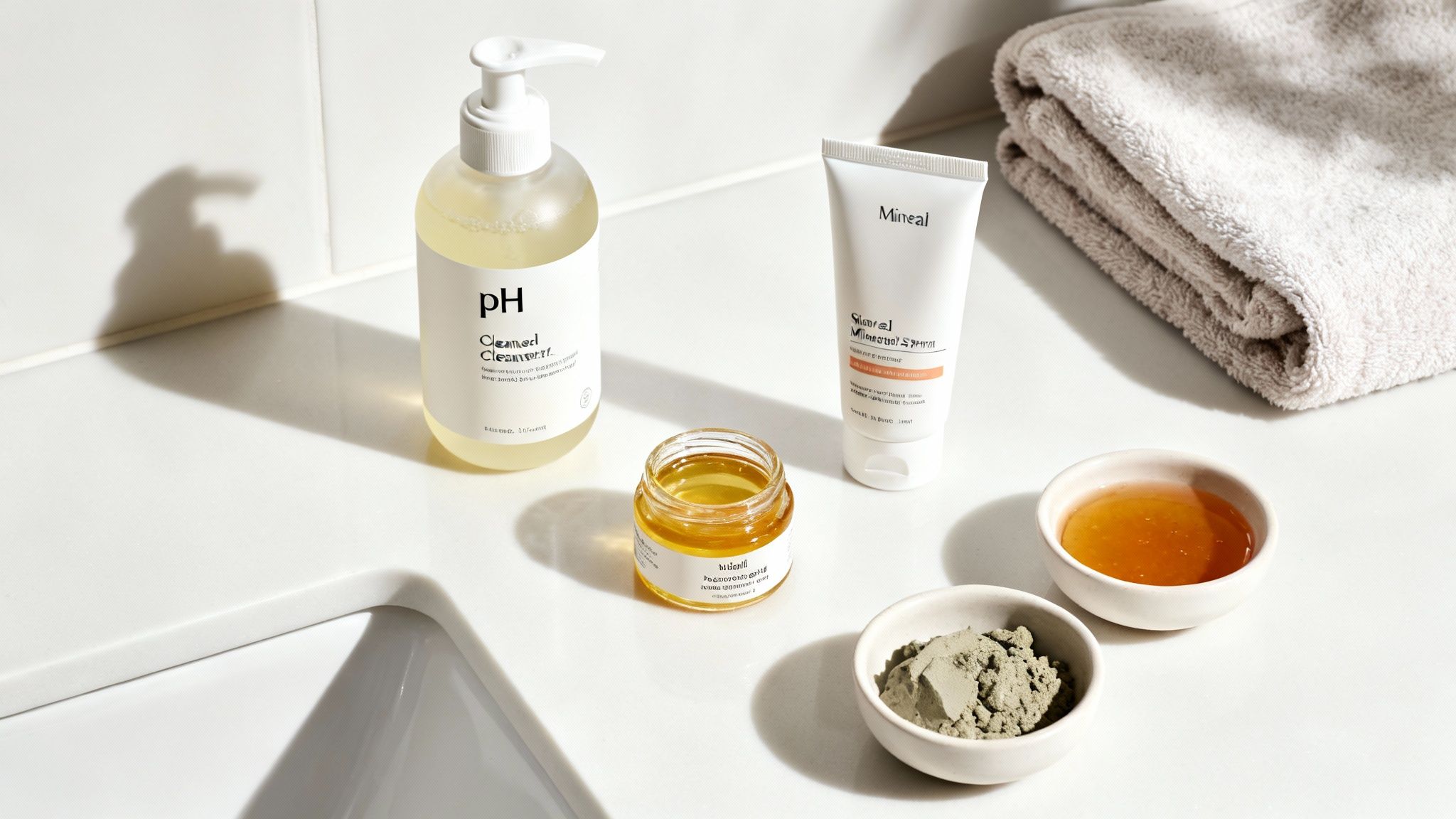
While everything we’ve talked about—nutrition, supplements, lifestyle—lays the groundwork for healthy skin from the inside, what you put on your face is the final piece of the puzzle. The key here is to keep it simple. A 'less is more' approach is your best friend, especially when your skin is already feeling stressed out.
Forget those complicated, 10-step routines you see online. They often do more harm than good by stripping your skin's protective barrier, leading to irritation and even more breakouts. Instead, we’re going to focus on three core pillars: Cleansing, Moisturising, and Protecting. This simple framework supports your skin’s natural functions without overwhelming it.
The Three Core Steps to Topical Care
Building a routine that actually works is all about consistency, not complexity. Once you master these three steps, you’re giving your skin exactly what it needs to stay balanced, hydrated, and resilient.
-
Gentle Cleansing: The goal is to wash your face twice a day with a mild, pH-balanced cleanser. This gets rid of the daily grime and excess oil without messing with your skin's delicate acid mantle. If you’re looking for a super natural alternative, oil cleansing with something like jojoba or sweet almond oil is brilliant for dissolving impurities without that tight, stripped feeling.
-
Smart Moisturising: Yes, even oily skin needs moisture! Dehydrated skin can actually produce more oil to compensate. Look for non-comedogenic moisturisers that won’t clog your pores. Natural oils like rosehip or squalane are fantastic choices. For an extra punch, a well-formulated serum can deliver targeted ingredients; our 10% Niacinamide Serum is a great option for balancing oil production and improving skin texture.
-
Daily Protection: This one is absolutely non-negotiable. Sun exposure triggers inflammation and breaks down collagen, which can make pores look bigger and worsen those annoying post-acne marks. A daily mineral-based SPF of 30 or higher is your best defence against UV damage. Every single day. No exceptions!
A simple, supportive topical routine doesn't fight against your skin; it works in harmony with it. The goal is to calm, protect, and hydrate, allowing your skin’s natural healing processes to take the lead.
DIY Treatments For A Little Extra Support
You don’t need to spend a lot on expensive products to give your skin an extra boost. Some of the best treatments can be made right in your kitchen. A simple mask made from raw honey, for instance, has amazing natural antibacterial properties. Another great one is a bentonite clay mask, which helps to gently draw impurities out from your pores.
If you want to complement your home routine, certain professional treatments can give you a helping hand. For example, some people find that services like Clarifyme Facial treatments offer a deeper cleanse that supports overall skin clarity. Just remember, these are extras—it’s the consistency with your daily core routine that truly builds the foundation for healthy, happy skin.
Got Questions About Natural Skincare? Let's Clear a Few Things Up
Diving into a natural skincare routine for the first time usually sparks a few questions. Knowing what to expect can really help you stay the course. Here are some of the most common things people ask.
How Long Until I See Results?
This is the big one. Patience is probably the most important, and sometimes toughest, part of a natural skincare journey. You might notice your skin feels a bit calmer or less inflamed within a few weeks, but the real, deep-down healing takes longer.
Think of it like this: your skin’s natural cell turnover cycle is about 28 days. But for your body to truly rebalance its hormones and calm down systemic inflammation, you're looking at a 2-3 month timeframe. That’s when you’ll start to see significant, lasting improvements from being consistent with your diet, lifestyle, and skincare.
Will My Skin Get Worse Before It Gets Better?
Honestly, sometimes it does. This is often called 'purging,' and while it’s not fun, it’s usually a good sign. As your body starts to detoxify from dietary shifts or as new products speed up cell turnover, all the underlying gunk gets pushed to the surface. It’s a sign that things are finally moving in the right direction.
This temporary breakout phase typically lasts around 4-6 weeks. If you're still getting persistent irritation or new spots beyond this point, it could be a reaction to a specific ingredient. That would be a good time to take a step back and reassess your routine.
Seeing a temporary flare-up can be disheartening, but it's often just your skin having a necessary clear-out. Stick with it, trust the process, and know that your skin is recalibrating for long-term clarity.
Are Supplements Like Omega-3 a Good Idea for Me?
While supplements like Omega-3 and Ashwagandha can be fantastic for supporting skin health, they aren't a one-size-fits-all solution. For example, Omega-3 can have blood-thinning effects, and adaptogens like Ashwagandha might interact with certain medications.
This is why it's absolutely crucial to have a chat with your GP or another qualified health professional before starting anything new. This is especially important if you have any existing health conditions or are on other medications. They can help you make a safe, informed choice that's right for your unique body.
Should I Ditch My Dermatologist?
Definitely not! A natural, holistic routine is an incredibly powerful tool for managing mild to moderate acne and boosting your overall skin health, but it doesn’t replace professional medical advice. For severe, cystic, or stubborn acne, a dermatologist is the best person to give you a proper diagnosis and walk you through all the available treatment options.
In fact, the best results often come from an integrated approach. Using natural methods alongside conventional treatments can support your skin's healing journey from every possible angle.
Ready to support your skin from within? At VitzAi, we use smart insights to help you find the right supplements for your unique goals. Discover your personalised recommendations and start your journey to clearer, healthier skin. Find your perfect supplement stack on VitzAi.com.
This article is for informational purposes only and is not medical advice. Always consult a qualified health professional before starting any new supplement or major lifestyle change.