

A Guide to Supplements for Fertility in Females
Deciding which supplements to take when you're trying for a baby can feel like a powerful first move. Key players like folate, vitamin D, and omega-3s are brilliant for filling any nutritional gaps, helping to balance hormones, and improving egg quality – essentially creating a more welcoming environment for pregnancy.
Your Guide to Fertility Supplements
Starting the journey to conceive is a huge step, and getting your health in the best possible shape is where it all begins. While a balanced diet and healthy lifestyle are non-negotiable, adding targeted nutritional support can make a real difference in preparing your body for pregnancy. Think of it as tending to a garden; the healthier the soil, the better the chances of a seed taking root and flourishing.
Supplements work by giving your reproductive system the specific building blocks it needs to perform at its peak. It’s not about finding one single magic pill. It's about creating a smart, holistic plan that tackles any potential nutritional shortfalls and supports the key biological processes involved in making a baby. A thoughtful approach here can be a real game-changer.
Why Supplementation Matters for Conception
Let’s be honest, modern diets don’t always cover all our nutritional bases, especially when it comes to the specific micronutrients needed for optimal reproductive health. Supplementation is simply a way to bridge those gaps, making sure your body is fully prepped for the incredible task of creating a new life.
The main goals when using supplements for female fertility are to:
- Promote Hormonal Balance: Nutrients like vitamin D and inositol are vital for regulating menstrual cycles and supporting ovulation.
- Improve Egg Quality: Antioxidants such as CoQ10 and vitamins C and E help shield delicate egg cells from oxidative stress, which can affect their viability.
- Support Early Fetal Development: Folate is an absolute must-have. It’s crucial for helping to prevent neural tube defects in the very earliest stages of pregnancy, often before you even know you've conceived.
This understanding is becoming more widespread. In the UK, the fertility supplements market hit USD 115.2 million in 2023 and is set to grow, which just shows how many people are now recognising the role of nutritional support. You can read the full research about UK fertility supplement trends if you want to dive into the details.
A well-structured supplement plan moves you from guesswork to a purposeful preconception strategy. It's about giving your body the specific tools it needs to prepare for a healthy pregnancy.
Before we dive into the fertility-specifics, it's also helpful to get a feel for the landscape of general supplements that support overall wellness. This guide will walk you through the nutrients that can have the biggest impact, explaining what they do and how you can build a personalised, effective plan using tools like VitzAI.
This article is for informational purposes only and is not medical advice. Always consult a qualified health professional before starting any new supplement or major lifestyle change.
The Foundational Nutrients for Conception
When you’re preparing your body for pregnancy, it helps to think of it like building a house. Before you can even dream about paint colours and furniture, you need to lay a rock-solid foundation. In the world of fertility, that foundation is built with specific, essential nutrients that support everything from hormone balance to the health of your eggs.
We're going to walk through four of the key players that are widely recognised as fundamental supplements for female fertility. These aren't just items to tick off a list; they are doing critical jobs behind the scenes to create the best possible environment for conception.
This map shows just how interconnected nutrition, hormones, and egg quality really are when it comes to female fertility.
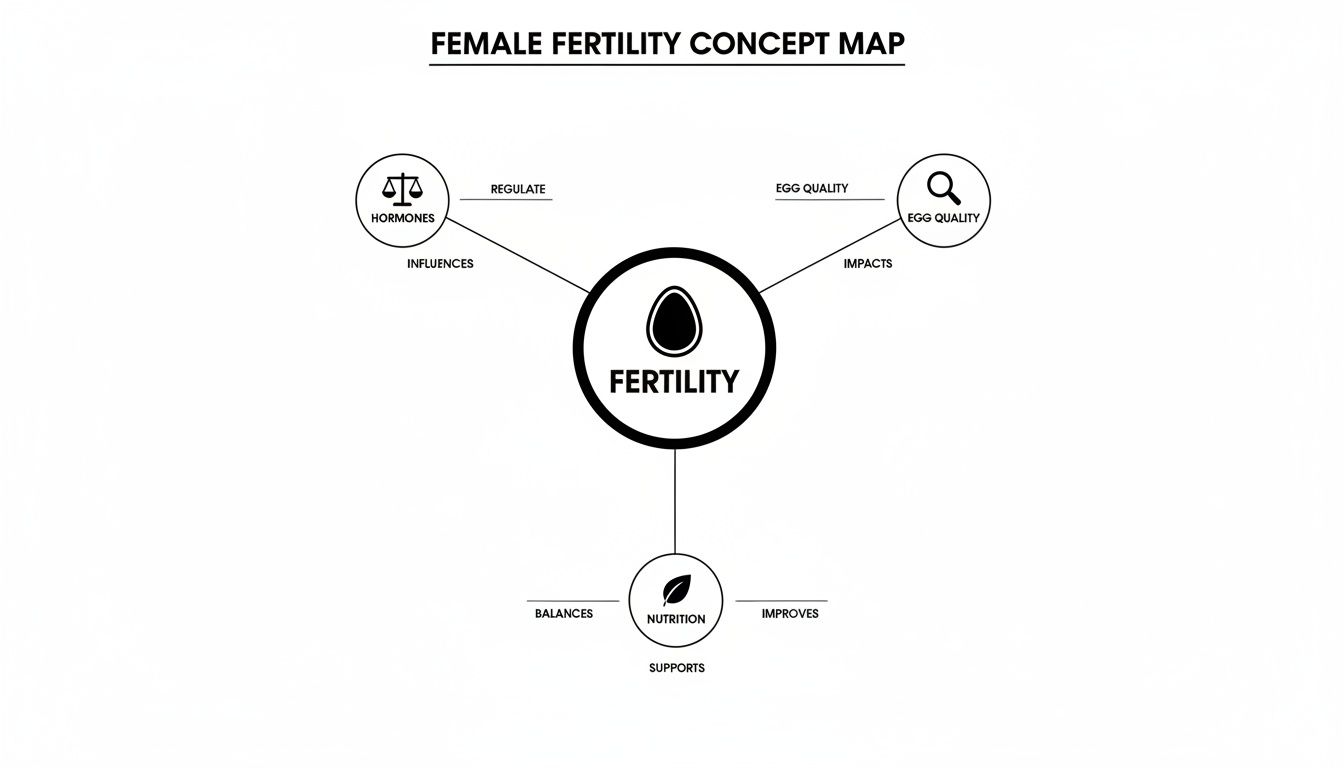
As you can see, a strong nutritional base has a direct line to your hormonal balance and the health of your eggs. It's easy to see why getting these foundational nutrients right is so important.
Folate: The Blueprint for Healthy Development
Folate, or Vitamin B9, is probably the most famous preconception nutrient out there, and for very good reason. It’s absolutely crucial for preventing neural tube defects in the earliest days of a pregnancy—often before you even realise you've conceived.
But its role goes deeper than just prevention. Folate is a key player in DNA synthesis and cell division. These are the fundamental processes needed to create healthy eggs and to support the explosive cell growth that happens as an embryo develops.
Many supplements use folic acid, which is the synthetic form. The catch is that a huge portion of the population has a genetic variation (known as MTHFR) that makes it difficult to convert folic acid into its usable form. That’s why choosing methylfolate—the body-ready, active version—is often a much smarter move to make sure you’re getting the full benefit. A common recommendation is to start taking at least 400-800 mcg daily for a minimum of three months before you start trying to conceive.
Vitamin D: The Sunshine Hormone Regulator
Often called the "sunshine vitamin," Vitamin D actually acts more like a hormone in the body, and its influence on fertility is profound. It helps to regulate the production of reproductive hormones, like oestrogen and progesterone, which are essential for a regular menstrual cycle and ovulation.
Good Vitamin D levels are also linked to better uterine receptivity. In simple terms, it helps prepare the lining of the uterus so that an embryo can successfully implant—a non-negotiable step for a viable pregnancy.
Getting enough Vitamin D can be a real challenge, even with a healthy diet, especially here in the UK. Studies show that supplements can bridge nutritional deficiencies common in 40% of UK women. Low vitamin D is particularly common, with a 31% deficiency rate in winter, yet it's a nutrient vital for implantation success.
Think of Vitamin D as the conductor of your hormonal orchestra. When levels are optimal, it helps ensure all the instruments are playing in harmony, creating the perfect symphony needed for conception.
Omega-3s: The Anti-Inflammatory Powerhouse
Omega-3 fatty acids, especially EPA (eicosapentaenoic acid) and DHA (docosahexaenoic acid), are healthy fats that pack a powerful punch for fertility. Their main job is to reduce inflammation throughout the body.
Chronic, low-grade inflammation can throw hormones out of balance and create a hostile environment in the reproductive system. By calming things down, Omega-3s help to foster a healthier, more receptive setting for conception.
These amazing fatty acids are also crucial for:
- Improving Egg Quality: DHA is a major building block of cell membranes. Having enough ensures your egg cells are healthy and can mature properly.
- Balancing Hormones: Omega-3s support hormone production and can help regulate your menstrual cycle.
- Increasing Blood Flow: They improve circulation, delivering more oxygen and nutrients to your reproductive organs, including the ovaries and uterus.
Sources like fatty fish (salmon, mackerel, sardines) are fantastic, but a high-quality fish or algae oil supplement is the best way to guarantee you're getting a consistent, therapeutic dose.
Inositol: The Ovarian Function Supporter
Inositol is a compound that acts a bit like a B-vitamin and has gained a lot of attention as a key supplement for female fertility, particularly for women dealing with Polycystic Ovary Syndrome (PCOS). Its primary strength is its ability to improve insulin sensitivity.
When your body becomes resistant to insulin, it can cause a spike in androgens (male hormones), which messes with ovulation and menstrual regularity. Inositol helps to correct this imbalance, encouraging more regular cycles and supporting overall ovarian function.
The most studied combination for fertility is a 40:1 ratio of Myo-inositol to D-Chiro-inositol. This specific blend has been shown to be particularly effective at improving egg quality and restoring ovulation. While it's a real superstar for those with PCOS, its benefits for metabolic health make it a valuable nutrient for many women preparing for pregnancy.
Of course, to get the most out of any supplement, it's essential to understand how to improve nutrient absorption. You can also learn more in our detailed guide to finding the best multivitamin for women to cover your broader nutritional needs.
Enhancing Fertility with Minerals and Antioxidants
Once you’ve got the foundational nutrients sorted, it’s time to call in the specialist support crew. Think of certain minerals and antioxidants as your personal fertility bodyguards, working around the clock to protect your reproductive health and set the stage for conception.
These powerful compounds offer targeted support for everything from healthy ovulation to shielding your delicate egg cells from damage. Adding them to your routine builds a more robust strategy, covering all the angles to boost your chances of a healthy pregnancy. Let's look at some of the most impactful minerals and antioxidants that are key supplements for female fertility.
Iron for Healthy Ovulation
Iron is an absolute powerhouse mineral for your overall health, but its specific role in fertility often flies under the radar. Its main job is to help produce haemoglobin, the protein in red blood cells that ferries oxygen all around your body.
This is non-negotiable for fertility. A rich, oxygenated blood supply ensures your reproductive organs—especially the uterus and ovaries—get everything they need to function at their best. Studies have drawn a clear line between healthy iron levels and a lower risk of ovulatory infertility, which is a common cause of conception struggles.
Building up your iron stores before you even conceive is also a savvy move. Your body's demand for iron skyrockets during pregnancy to support your growing baby, so having a good reserve puts you one step ahead.
Zinc and Selenium: The Antioxidant Duo
Zinc and selenium are two minerals that are brilliant on their own but even better together, forming a powerful antioxidant team. Their primary mission? To protect your egg cells from oxidative stress—a type of cellular damage caused by unstable molecules called free radicals.
Think of an egg cell like a freshly cut apple. Oxidative stress is the air that causes it to turn brown and spoil. Antioxidants are like a squeeze of lemon juice, forming a protective barrier that keeps it fresh and viable.
Here’s how this dynamic duo supports your fertility:
- Zinc: This mineral is vital for the healthy division and development of egg cells. It helps ensure that as your eggs mature, their precious genetic cargo remains stable and intact.
- Selenium: This is a core component of some of the body's most potent antioxidant enzymes. These enzymes get to work neutralising free radicals right where it matters—in the follicles where your eggs grow and mature.
Being low in either of these minerals can seriously compromise egg quality, making this pair a non-negotiable part of any preconception plan. To get a better sense of how these minerals interact, have a read of our guide on the benefits of taking zinc and magnesium supplements.
Coenzyme Q10: The Cellular Energiser
Coenzyme Q10 (CoQ10) is a superstar nutrient that’s been getting a lot of well-deserved attention for its role in fertility, particularly for women over 35. It’s not a vitamin or a mineral, but a compound your body produces naturally to generate energy inside your cells.
Your egg cells need a phenomenal amount of energy to mature properly and to power the incredibly complex process of cell division right after fertilisation. CoQ10 works inside the mitochondria—the "powerhouses" of your cells—to fuel this whole demanding operation.
As we get older, our natural CoQ10 levels start to drop. Supplementing can help recharge the mitochondrial batteries in your eggs, which research has directly linked to better egg quality and improved fertility outcomes.
Studies suggest that taking CoQ10 can lead to higher-quality embryos and may even improve success rates for treatments like IVF. It's no wonder it has become a staple supplement for women looking to give their eggs the best possible start.
Vitamins C and E: The Protective Pair
Just like zinc and selenium, vitamins C and E are another classic antioxidant pairing that works together to defend your reproductive cells. They team up to provide a robust shield against the cellular wear-and-tear that can get in the way of fertility.
Vitamin E is a fat-soluble antioxidant, which means it can embed itself in cell membranes, protecting them from the inside out. It’s brilliant for maintaining the structural integrity of your egg cells, keeping them healthy and strong.
Vitamin C, on the other hand, is water-soluble, so it patrols the fluid-filled parts of your body. One of its cleverest tricks is regenerating Vitamin E after it has neutralised a free radical, essentially recycling it so it can get back to work. Together, they create a comprehensive defence system that promotes overall reproductive wellness. By adding these protective nutrients, you’re not just taking supplements; you’re making a real investment in the quality and health of your future baby's very first home.
This article is for informational purposes only and is not medical advice. Always consult a qualified health professional before starting any new supplement or major lifestyle change.
Supporting Hormones with Adaptogens and Gut Health
Fertility isn't a simple equation happening only in your reproductive organs; it’s a whole-body affair. Two of the most powerful, yet frequently overlooked, players are how your body handles stress and the health of your gut. Let's dig into how certain supplements can offer support in these critical areas.
Modern life can keep us in a constant state of "fight or flight," which is brilliant for survival but not so great for making a baby. When your body is on high alert, it puts reproduction on the back burner, leading to hormonal imbalances that can throw a spanner in the works of ovulation. At the same time, your gut health is directly wired into your hormonal control centre, making it a key piece of the fertility puzzle.
Managing Stress with Adaptogens
Ever heard of adaptogens? They're a really clever class of herbs and mushrooms that help your body build resilience against physical, chemical, and biological stress. Instead of just putting a plaster on the symptoms, they get to the root of the problem by helping to rebalance your body's stress-response system.
Think of your stress response as a thermostat. When stress hits, the temperature soars. Adaptogens help your body recalibrate more efficiently, bringing that temperature back down to a comfortable level. This is a game-changer for fertility, as chronic stress can wreak havoc on your reproductive hormones.
One of the most studied adaptogens is Ashwagandha. It's brilliant for its ability to help lower cortisol, the body's main stress hormone. Persistently high cortisol levels can suppress ovulation and mess with your menstrual cycle, so keeping it in check is vital when you're trying to conceive. By helping you feel calmer and more balanced, Ashwagandha creates a much more welcoming internal environment for a potential pregnancy. If you're curious about these amazing botanicals, you can learn more about how to use adaptogen supplements in the UK.
Beyond Ashwagandha, functional mushroom blends, featuring types like Reishi or Lion's Mane, offer broader support. While they don't target fertility hormones as directly, they boost overall vitality, support immune function, and enhance your body's ability to cope with life's pressures—all of which builds a stronger foundation for conception.
The Gut-Hormone Connection
The link between your gut and your hormones is a fascinating area of health research that we're learning more about all the time. Your gut is home to trillions of microorganisms, which we call the gut microbiome. This bustling community does far more than just digest your dinner; it actively helps regulate your hormones, especially oestrogen.
There’s a specific group of gut bacteria, known as the estrobolome, that produces an enzyme to help metabolise oestrogen. When your estrobolome is healthy and diverse, it makes sure oestrogen is processed correctly, keeping your levels in that sweet spot.
But if your gut microbiome is out of sync—a state called dysbiosis—this process gets disrupted. You could end up with either too much or too little circulating oestrogen, which can contribute to things like irregular cycles and other fertility hurdles.
A balanced gut is like having a team of expert hormone regulators working for you 24/7. It ensures that essential hormones like oestrogen are properly managed, supporting a regular and healthy menstrual cycle.
This is where probiotics come in. Probiotics are the good guys—beneficial bacteria that help restore balance to your gut microbiome. By introducing strains like Lactobacillus and Bifidobacterium, you can help fortify your estrobolome and support healthy hormone metabolism.
Taking a holistic view that includes both stress management and gut health is a non-negotiable part of the modern fertility puzzle. By supporting your body with adaptogens and probiotics, you're tackling two of the biggest underlying factors that can stand in the way of conception.
This article is for informational purposes only and is not medical advice. Always consult a qualified health professional before starting any new supplement or major lifestyle change.
Creating Your Personalised Supplement Plan
Trying to navigate the world of fertility supplements can feel like you’ve been handed a puzzle with way too many pieces. There’s a mountain of information out there, and it’s completely normal to feel a bit lost about where to even begin.
But here’s the secret: the goal isn’t to take every supplement you read about. It’s about building a smart, targeted plan that’s created just for you. A personalised approach moves beyond generic advice to a routine that actually supports what your body needs, taking into account your unique biology, health history, and lifestyle.
Factors That Shape Your Plan
Putting together an effective supplement strategy is never a one-size-fits-all job. A few key things need to be considered to make sure you’re getting the right nutrients, in the right amounts, for your specific situation.
Your personal plan should be shaped by:
- Your Age: As we get older, our nutritional needs shift. Natural levels of things like CoQ10 can decline. A plan for someone in their late 20s will likely look different from a plan for someone in their late 30s, who might benefit more from supplements focused on supporting egg quality.
- Specific Health Goals: What are you working towards? Are you hoping to regulate your cycles, give your egg quality a boost, or support implantation? Your main goal helps decide which supplements, like inositol for cycle regulation or antioxidants for egg health, should be at the top of your list.
- Lifestyle and Diet: Your day-to-day habits have a huge impact. If you follow a vegetarian diet, you might need a little extra help with iron and B12. Spend most of your working hours indoors? Your vitamin D needs are probably higher than average.
- Existing Health Conditions: Things like PCOS or thyroid imbalances call for specific nutritional support. Your supplement stack should address these underlying factors to help create a healthier environment for conception.
Timing Your Supplements Correctly
Getting the timing right is another critical piece of the puzzle. The supplements you take before you start trying to conceive might be slightly different from the ones you’ll continue into pregnancy.
A good rule of thumb is to start your preconception supplement plan at least three to six months before you begin trying to conceive. This gives your body plenty of time to build up nutrient stores and allows the 90-day egg development cycle to get the full benefit of that extra support.
Think of it like preparing a garden bed before planting seeds. You need time to enrich the soil with nutrients to give the seeds the best possible chance to grow strong and healthy. The same principle applies to preparing your body for pregnancy.
Once you’re pregnant, some supplements like folate, vitamin D, and omega-3s are still absolutely essential for your baby’s development. Others, however, might need to be adjusted or stopped altogether. It is critical to go over your full supplement list with a healthcare professional to ensure a safe and smooth transition from preconception to pregnancy.
From Confusion to Clarity with VitzAI
This is exactly where a smart tool can make all the difference. Instead of spending hours trying to connect all the dots yourself, the VitzAI personalised quiz does the heavy lifting for you. It’s designed to cut through the noise and give you a clear, actionable plan.
The process is straightforward. Our AI-driven quiz asks you a series of targeted questions about your age, lifestyle, diet, and health goals. It then crunches your unique data points to pinpoint potential nutritional gaps and priorities.
Based on that analysis, VitzAI recommends a smart, synergistic stack of supplements for female fertility. It helps ensure you get exactly what your body needs without the guesswork, combining the right nutrients in effective forms and dosages to support your journey from start to finish.
This article is for informational purposes only and is not medical advice. Always consult a qualified health professional before starting any new supplement or major lifestyle change.
Your Fertility Supplement Questions, Answered
Venturing into the world of fertility supplements can feel a bit like navigating a maze. With so many options and so much information out there, it's completely normal to have questions. Getting clear, straightforward answers is the key to feeling confident and in control of your journey.
Everyone's path to parenthood is different, and you want to know that every choice you make is the right one for your body. Let's clear up some of that uncertainty.
When Is the Best Time to Start Taking Fertility Supplements?
For the best possible results, the general advice from experts is to start your fertility-focused supplements three to six months before you plan to start trying for a baby. This isn't just a random number; it's timed perfectly with your body's natural cycle of egg development.
Think of it this way: an egg (or oocyte, to get technical) takes about 90 days to fully mature before it’s ready for ovulation. Starting your supplements early means you’re supporting that entire developmental window with top-notch nutrition. This helps build up crucial nutrient stores in your body, giving that maturing egg the best possible environment to thrive in.
Can I Take These Supplements During IVF?
It's a great question, and the answer is often yes. Many of the nutrients we've talked about, like CoQ10 and Vitamin D, are frequently recommended by fertility specialists to support the outcomes of treatments like IVF. They can play a part in improving egg quality and uterine receptivity—both absolutely critical factors for success.
However, and this is a big one, this is not a decision to make on your own. It is absolutely essential to give your fertility doctor a complete, detailed list of every single supplement you are taking. They will be able to tell you which ones are safe and beneficial to continue, and might need to adjust dosages or even ask you to pause certain supplements during specific phases of your treatment to avoid any interference.
Are There Any Supplements I Should Avoid?
Yes, knowing what not to take is just as important as knowing what to take. Certain high-dose vitamins, especially fat-soluble ones like Vitamin A (in its retinol form), can actually be harmful in large amounts when you're trying to conceive or during pregnancy.
On top of that, some herbal supplements can have surprisingly potent effects on your hormones and may end up being counterproductive. The safest bet is always to stick to formulas specifically designed for preconception and to have a chat with a healthcare professional before adding any new herbs or less common nutrients into your routine.
The ultimate goal is, of course, a positive pregnancy test, but don't forget to celebrate the small wins along the way. Positive shifts in your cycle, energy, and mood are all brilliant signs that your body is responding well to all the nutritional support you're giving it.
How Do I Know if the Supplements Are Actually Working?
While you're waiting for that positive test, there are other encouraging signs you can look out for that show your body is moving in the right direction. These can be great little indicators that you’re creating a healthier, more balanced foundation for conception.
Keep an eye out for changes like:
- More regular and predictable menstrual cycles.
- Improved energy levels and feeling less wiped out.
- A more stable mood throughout your cycle.
- Better quality sleep and feeling less stressed.
Noticing these kinds of shifts is often a fantastic signal that your body is responding well to the extra nutritional support you're providing.
Ready to stop guessing and start building a supplement plan that’s perfectly matched to your unique needs? Take the VitzAI.com quiz today and get your free, personalised report in minutes. Discover Your Personalised Supplement Stack at VitzAI.com
This article is for informational purposes only and is not medical advice. Always consult a qualified health professional before starting any new supplement or major lifestyle change.