

Tired All the Time? Key Vitamin Deficiency Signs to Watch For
Feeling constantly drained, even when you’re doing all the "right" things for your health? It's a frustratingly common feeling. More often than not, the culprit isn't a lack of effort, but a hidden nutrient gap quietly sabotaging your energy, focus, and overall wellbeing.
Are You Running on Empty?
Think of your body like a high-performance car. You can fill it with the best fuel, but if it's missing a critical fluid or a spark plug is faulty, it just won't run properly. Vitamins and minerals are those essential components, and when you’re running low, the whole system starts to show the strain.
That persistent brain fog, those brittle nails that just won't grow, or catching every single cold that does the rounds? These are often your body's first warning signals. Consider them the check-engine light for your health, pointing to an underlying deficiency that needs a bit of attention.
Why Are Nutrient Gaps So Common Today?
Even if you're incredibly health-conscious, it's becoming tougher to get everything we need from diet alone. Modern life throws a few curveballs that make nutrient deficiencies surprisingly common.
- Modern Diets: Restrictive eating plans, a reliance on processed foods, and even the depletion of minerals in our soil mean the food on our plate isn't always as nutrient-packed as it once was.
- Lifestyle Demands: Chronic stress, tough workouts, and not getting enough sleep can burn through your body's nutrient stores much faster than you can replenish them.
- Environmental Factors: Living in the UK means limited sun exposure, especially during the long winter months. This has a massive impact on Vitamin D levels, which are absolutely crucial for your mood and immune system.
These nutrient gaps aren't just minor annoyances; they can have a real, far-reaching impact on your health. By learning to recognise the signs, you can start connecting the dots between how you feel and what your body is truly crying out for.
As we dig into the widespread nature of these gaps, it's clear their influence touches many areas of health, including various fertility topics where proper nutrition plays a foundational role. This guide will give you a clear, practical roadmap to help you identify and sort out these hidden health issues, starting with the most common vitamin deficiency signs.
The Three Most Common Vitamin Deficiency Signs
While your body has countless nutritional needs, a few key players are so important that even a small dip in their levels can throw off your daily performance. Think of them as the senior managers of your internal operations; when one goes missing, everything from energy production to your mood can start to go sideways.
Let’s take a closer look at the big three—Iron, Vitamin D, and Vitamin B12—and the tell-tale signs that your body might be running low.
This diagram shows how small gaps in your nutrition can snowball, starting with your daily choices and eventually showing up as physical signs and deeper, hidden deficiencies.
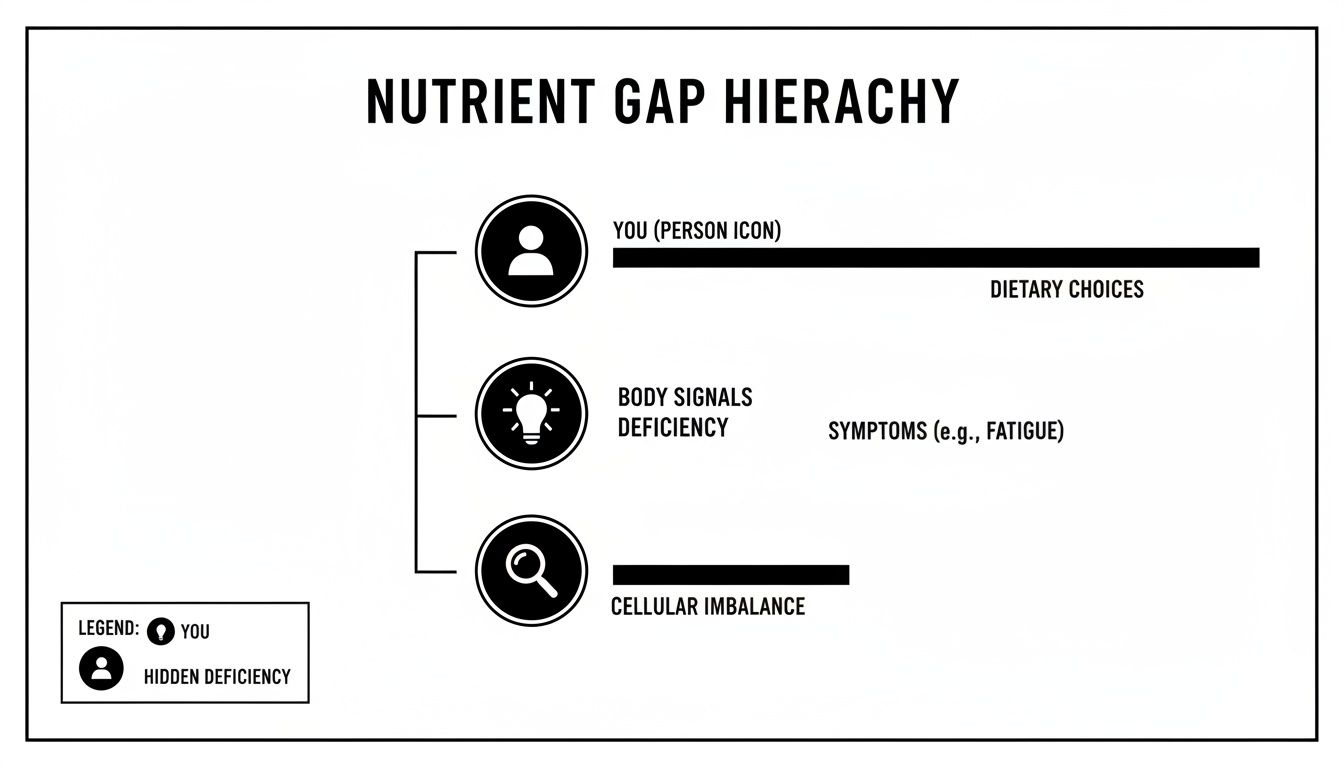
It’s a great reminder that the symptoms you feel are often the last stage of a process that began much earlier. Learning to listen to your body’s early warnings is key.
Iron: The Body's Oxygen Courier
Picture iron as the dedicated courier service for your entire body. Its main job is to grab oxygen from your lungs and deliver it to every single cell, from your brain right down to your biceps. Without enough iron, this vital delivery service grinds to a halt, leaving your cells starved of the oxygen they need to create energy.
This is exactly why the classic sign of iron deficiency is a deep, persistent fatigue that no amount of sleep seems to fix. It’s not just feeling a bit tired; it's a bone-deep exhaustion that can make a simple gym session feel like climbing a mountain.
But the signs don't stop there. Other common clues include:
- Pale Skin: This is often most noticeable on the inside of your lower eyelids. Less iron means less haemoglobin, the protein that gives blood its rich red colour.
- Shortness of Breath: When your body can't move oxygen around efficiently, even simple tasks like climbing the stairs can leave you feeling winded.
- Heart Palpitations: Your heart has to work much harder to pump oxygen-poor blood around your body, which can sometimes lead to a racing or irregular heartbeat.
- Headaches and Dizziness: Your brain uses a huge amount of oxygen. When supplies run low, it can trigger headaches, light-headedness, and that frustrating brain fog.
It's a surprisingly widespread issue. Shocking NHS data from England reveals that in 2023-24, there were a staggering 191,927 hospital admissions for conditions caused by iron deficiency, an 11% jump from the previous year. For health-conscious people juggling busy lives, it's a serious wake-up call.
Vitamin D: The Mood and Immunity Regulator
Often called the "sunshine vitamin," Vitamin D actually behaves more like a hormone, directing hundreds of critical processes throughout your body. Its most famous role is helping you absorb calcium for strong bones, but its influence reaches far beyond your skeleton. Think of it as your internal mood and immunity regulator.
Here in the UK, with our famously grey skies, Vitamin D deficiency is incredibly common. When your levels are low, you might notice your mood taking a nosedive, especially during the autumn and winter. That classic feeling of the "winter blues" is often directly tied to a dip in Vitamin D.
Here are some other key signs to watch for:
- Getting Sick Often: If you seem to catch every cold or flu doing the rounds, your immune system might be struggling due to low Vitamin D.
- Bone and Back Pain: Vitamin D is essential for bone health. A deficiency can cause a dull, aching pain, particularly in the lower back.
- Muscle Aches and Weakness: Vitamin D also plays a role in muscle function. Unexplained muscle discomfort that isn't from your last workout could be a sign.
- Slow Wound Healing: If cuts and scrapes seem to take forever to heal, it could point to low Vitamin D, as it helps in forming new skin.
Vitamin B12: The Energy and Nerve Protector
Vitamin B12 is like the master electrician for your nervous system and a key player in energy production. It helps form your red blood cells (working alongside iron) and is vital for maintaining the protective sheath around your nerves. Without enough B12, your energy levels can plummet and your neurological health can suffer.
A B12 deficiency can be particularly sneaky because its symptoms often overlap with general stress and fatigue, making it easy to dismiss. The most telling sign is often a unique type of tiredness combined with strange neurological sensations.
This can feel like an exhaustion that comes with "pins and needles" in your hands or feet, unsteadiness, or even changes in your thinking and memory. It’s more than just being tired—it’s feeling like your internal wiring is a bit off.
Common vitamin B12 deficiency signs include:
- Extreme Tiredness or Lack of Energy: Similar to iron deficiency, but often accompanied by a feeling of profound weakness.
- Pins and Needles (Paraesthesia): A tingling sensation, usually in the hands or feet, is a classic sign of nerve-related issues from low B12.
- A Sore and Red Tongue (Glossitis): Your tongue might appear swollen, inflamed, or unusually smooth.
- Cognitive Difficulties: This can show up as memory problems, brain fog, or difficulty with reasoning.
Because B12 is mostly found in animal products, people following a vegan or vegetarian diet are at a much higher risk. If these symptoms sound familiar, you can learn more about Vitamin B12 deficiency signs in our detailed guide. Catching these signs early is the first step toward getting your energy back and protecting your long-term health.
Recognising Other Key Nutrient Shortfalls
Beyond the big three—Iron, Vitamin D, and B12—your body relies on a whole team of nutrients to function at its best. Think of it like a complex orchestra; if even a few of the lesser-known instruments are out of tune, the entire performance suffers. Let's take a look at some other common nutrient shortfalls and the unique signs they can trigger.
These nutrients might not always grab the headlines, but their absence can mess with everything from your sleep and mood to your immune response and mental clarity.

Magnesium The Relaxation Mineral
There's a good reason magnesium is often called the 'relaxation mineral'. It’s involved in over 300 different biochemical reactions in the body, and a huge number of them are tied to calming your nervous system and relaxing your muscles. Imagine it as the master switch that helps your body and mind power down after a long day.
When you don't have enough, that switch gets stuck in the 'on' position. This can leave you feeling physically and mentally tense, making it one of the most common deficiencies for people living stressful, fast-paced lives.
The signs of a magnesium shortfall are often brushed off as just a normal part of being busy, but they're important clues. Keep an eye out for:
- Muscle Twitches and Cramps: Random eyelid twitches or painful leg cramps, especially at night, are classic signs that your muscles can't properly switch off.
- Poor Sleep or Insomnia: Low magnesium can disrupt your sleep cycle, making it a struggle to fall asleep or stay asleep through the night.
- Anxiety and Restlessness: Because it helps regulate neurotransmitters that promote calm, a deficiency can leave you feeling perpetually on edge or irritable.
- Fatigue and Weakness: Magnesium is essential for producing energy at a cellular level, so a lack of it can lead to tiredness you just can't explain.
A sufficient intake of magnesium is fundamental for managing the body's stress response. Without it, you might find yourself stuck in a cycle of stress and poor sleep, each one making the other worse.
Understanding how minerals work together is also key. For example, you can discover more about the combined benefits of zinc and magnesium supplements in supporting everything from immunity to recovery.
Vitamin C The Immune Defender
We all reach for Vitamin C when we feel a cold coming on, but its role goes far beyond just boosting your immune system. Think of it as your body's primary repair and maintenance worker. It’s absolutely crucial for building collagen, the protein that gives structure to your skin, bones, and blood vessels.
A deficiency in Vitamin C means this repair crew is seriously understaffed. Your body starts to struggle with healing and protecting itself, and the signs often show up in subtle but noticeable ways. It's not just about getting sick more often; it's about your body's overall resilience.
Here are some surprising signs of low Vitamin C levels:
- Slow-Healing Wounds: If small cuts and scrapes seem to take forever to heal, it could be a sign that your body lacks the Vitamin C it needs to produce new skin tissue.
- Bleeding Gums: Collagen is vital for healthy gums. If you notice a bit of blood when you brush your teeth, even with good dental hygiene, low Vitamin C could be a factor.
- Easy Bruising: Weakened capillaries due to poor collagen production can cause you to bruise from even the slightest bumps.
- Rough, Bumpy Skin: A condition called keratosis pilaris, which causes small, acne-like bumps on the arms or thighs, has been linked to Vitamin C deficiency.
Omega-3s The Brain and Inflammation Cooler
Omega-3 fatty acids are essential fats, meaning your body can't make them on its own—you have to get them from your diet. Consider them your internal 'inflammation cooler' and brain fuel. They play a critical role in calming inflammation throughout your body and are a major structural component of your brain and eyes.
In our modern diets, we often consume an excess of inflammatory Omega-6 fatty acids (found in many vegetable oils and processed foods) and not nearly enough anti-inflammatory Omega-3s. This imbalance can fuel low-grade, chronic inflammation, which is now linked to a whole host of health issues.
An Omega-3 shortfall can show up in ways that affect both your physical and mental wellbeing.
- Dry, Irritated Skin: Omega-3s are vital for maintaining your skin's barrier, helping it hold on to moisture. A deficiency can lead to dry, flaky, or itchy skin.
- Brain Fog and Poor Concentration: Since your brain is made up of nearly 60% fat, a lack of these healthy fats can impair cognitive function, making it difficult to focus.
- Stiff or Painful Joints: The anti-inflammatory properties of Omega-3s help to lubricate joints and reduce discomfort. A deficiency may contribute to joint stiffness.
- Changes in Mood: These fatty acids are hugely important for brain health and neurotransmitter function, and low levels have been associated with low mood and irritability.
Beyond general fatigue, many people wonder if subtle changes like hair thinning could signal a deeper issue. For a closer look at this connection, you can explore if vitamin deficiency can cause hair loss. Recognising these less-obvious signs is a crucial step in building a complete picture of your nutritional health.
Understanding the Root Causes of Nutrient Deficiencies
Recognising the signs of a vitamin deficiency is one thing, but getting to grips with why these gaps happen in the first place is how you build lasting health. Deficiencies don’t just happen by chance; they're often the logical endpoint of your diet, lifestyle, and even your unique biology.
Think of your body's nutrient stores like a bank account. Every day, your diet makes the deposits and your lifestyle makes the withdrawals. If you’re constantly taking out more than you put in, you’ll eventually find yourself in the red.
This isn't about blaming yourself. It’s about understanding the real demands of modern life and how they affect your internal balance. That way, you can shift from just reacting to symptoms to proactively tackling the root cause.
Your Diet: The Primary Source
The most obvious place to start is what you eat. But here’s the thing: even a diet that looks "healthy" on the surface can have hidden gaps that lead to deficiencies over time.
Today's food landscape often creates the perfect storm for nutrient shortfalls. Diets packed with processed foods are usually calorie-dense but nutrient-poor. They fill you up without delivering the essential vitamins and minerals your body is crying out for.
Even for those of us trying to eat well, certain dietary patterns can ramp up the risk:
- Restrictive Diets: Vegan or vegetarian diets, for all their health benefits, can make it tricky to get enough Vitamin B12 and iron without very careful planning or supplementation.
- Low-Fat Diets: Remember vitamins A, D, E, and K? They're fat-soluble. That means your body needs dietary fat to actually absorb them. An extremely low-fat approach can backfire and lead to some unexpected shortfalls.
- Lack of Variety: Sticking to the same few "safe" healthy foods day in, day out can limit your exposure to the broad spectrum of nutrients your body really needs to thrive.
Lifestyle Factors That Drain Your Reserves
Your daily habits and environment have a massive say in your nutrient status. Some lifestyle choices act like constant, sneaky withdrawals from your nutrient bank account, speeding up depletion.
Chronic stress is a huge one. When you're constantly stuck in "fight-or-flight" mode, your body torches through key nutrients like magnesium and B vitamins at an incredible rate just to manage the physiological response. Similarly, intense and frequent exercise ramps up your demand for minerals like iron, magnesium, and zinc to fuel energy production and muscle repair.
Struggling with low energy and picking up every cold going this winter? For many in the UK, a simple lack of sunlight is a major factor. A 2023 analysis found that a staggering 20% of the UK population is deficient in Vitamin D, with 60% having insufficient levels. The signs can hit hard—muscle weakness, bone pain, and a weakened immune system. You can read the full analysis on vitamin requirements in the UK.
Key Life Stages and Health Conditions
Certain times in your life and various health conditions can completely change the game, either by increasing your nutrient needs or messing with your body's ability to absorb what you eat.
Your body is a dynamic system, and its nutritional demands are not static. Life stages like pregnancy, intense training periods, or simply getting older change the rules of the game.
Pregnancy, for instance, dramatically increases the demand for folate, iron, and other key nutrients to support a growing baby. And as we get older, our bodies can become less efficient at absorbing certain vitamins, like B12, from our food.
On top of that, underlying health conditions can interfere with nutrient absorption, no matter how pristine your diet is. Gut health issues like coeliac disease or inflammatory bowel disease (IBD) can damage the intestinal lining, making it much harder to pull vital nutrients from your food.
Crafting Your Personal Plan for Nutrient Sufficiency
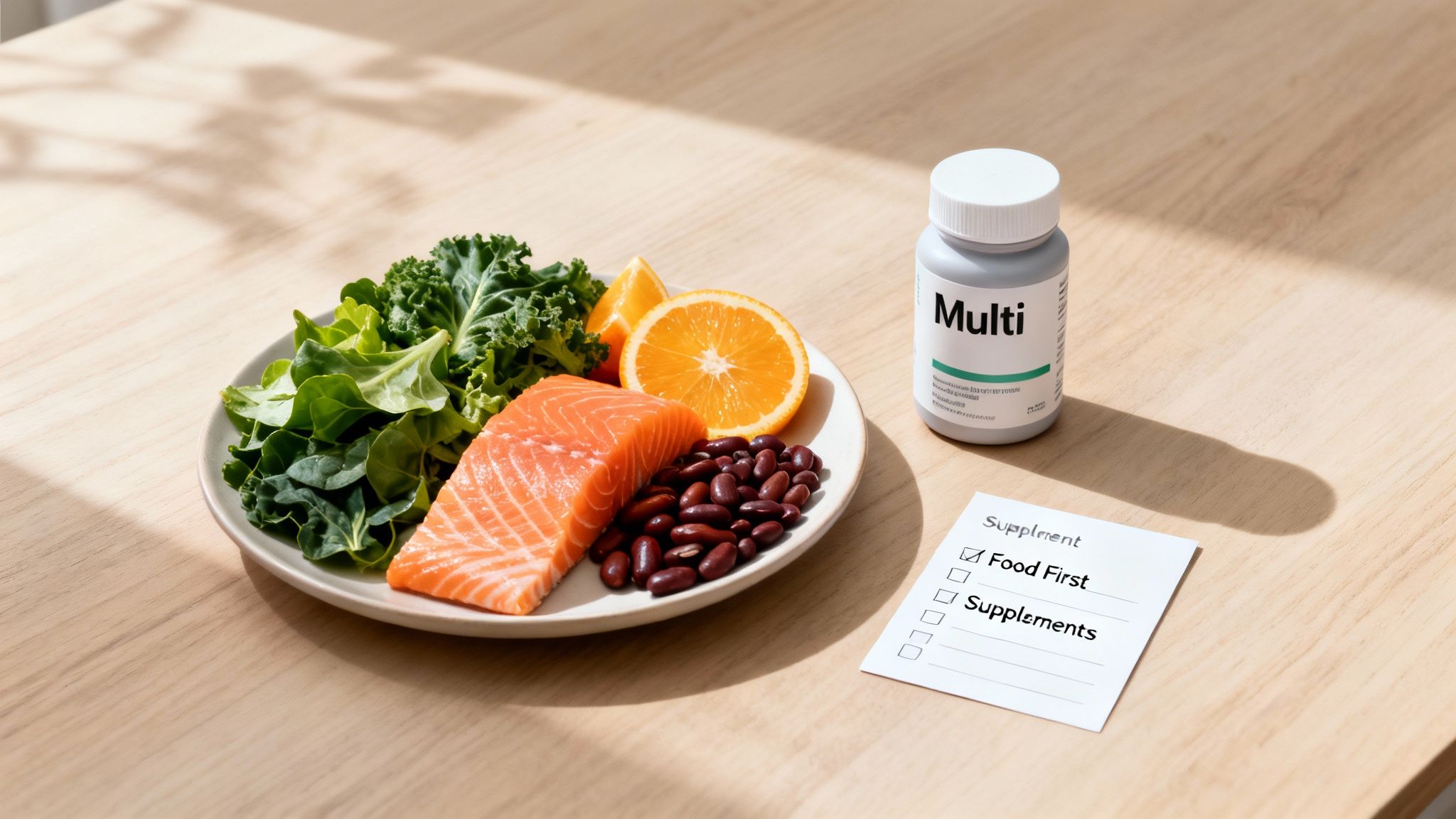
Spotting the signs of a vitamin deficiency is the first crucial step, but real, lasting change comes from what you do next. Moving from knowing there's a problem to actually fixing it requires a clear, practical strategy. The best way to tackle this is with a two-pronged plan to get your nutrient levels back on track and support your health for the long haul.
The cornerstone of any good nutrition plan is a "Food First" mindset, which means aiming to get as much goodness as you can straight from your diet. But let's be realistic—for many of us, smart supplementation is the second critical pillar, bridging the gaps that even a healthy diet can leave behind in our modern world.
The Food First Approach
Before you even think about opening a supplement bottle, your first port of call should always be your plate. Building a diet packed with whole, nutrient-dense foods is by far the most sustainable way to give your body what it needs.
Think of your diet as a daily investment in your health bank account. Eating a wide variety of different food groups ensures you're getting a broad spectrum of vitamins, minerals, and other compounds that all work together. Here’s a quick-fire guide to some of the best food sources for the key nutrients we’ve been talking about:
- For Iron: Red meat, poultry, and fish are fantastic sources. If you're plant-based, look to lentils, spinach, and fortified cereals, but always try to eat them with a source of Vitamin C (like bell peppers or a squeeze of lemon) to dramatically boost absorption.
- For Vitamin D: Oily fish like salmon and mackerel are your best bet for natural sources. You'll also find it in fortified foods like milk, certain plant-based milks, and breakfast cereals.
- For Vitamin B12: This vitamin is found almost exclusively in animal products. Top sources include meat, fish, eggs, and dairy.
- For Magnesium: Start loading up on dark leafy greens like spinach, nuts (especially almonds), seeds, and whole grains.
- For Omega-3s: Oily fish is the gold standard here. For plant-based options, flaxseeds, chia seeds, and walnuts are your go-to choices.
Smart Supplementation: Bridging the Gap
While a food-first philosophy is the foundation, it isn't always enough to correct an existing deficiency or meet the heightened demands of a busy, stressful life. This is where targeted, smart supplementation comes into play. It’s not about replacing good food; think of it as a nutritional insurance policy.
For example, due to soil depletion from modern farming, even the freshest vegetables might contain fewer minerals than they did a few decades ago. And for those with specific dietary choices, like a vegan diet, getting enough B12 and iron from food alone can be a real challenge. That's why understanding the link between iron and B12 supplements is so important for filling these common nutritional gaps.
Smart supplementation isn’t about grabbing a generic multivitamin and hoping for the best. It's about using specific nutrients to address your unique needs, making sure your body gets exactly what it’s missing in a form it can actually use.
This brings us to a really important concept: bioavailability. It’s one thing to swallow a nutrient, but it’s another thing entirely for your body to be able to absorb and use it. High-quality supplements use bioavailable forms of nutrients—like magnesium glycinate instead of the less effective magnesium oxide—which are gentler on the stomach and much more easily absorbed. This ensures you're getting the full benefit from every single dose.
A high-quality multivitamin can provide a solid baseline, covering any small gaps in your day-to-day diet. For more significant needs, targeted supplements like Omega-3s for brain health or magnesium for sleep and stress allow you to personalise your routine. This combined approach helps you build a robust nutritional foundation, empowering you to move beyond simply avoiding deficiency and start truly optimising your health and well-being.
Any More Questions?
Navigating the world of nutrition can feel like a minefield, but understanding the basics of vitamin deficiencies doesn't have to be. To help clear up any lingering confusion, we’re tackling some of the most common questions we hear. Think of it as your final, straightforward guide to making smarter health decisions.
Getting clear, reliable answers is the first step towards taking meaningful action. Here, we'll address a few key queries to give you the confidence to move forward.
Is a Generic Multivitamin Enough?
While a standard multivitamin can seem like an easy fix, it often takes a one-size-fits-all approach to what is a deeply personal issue. Your nutritional needs are unique—shaped by your age, diet, stress levels, and even where you live. A generic formula might give you too little of what you actually need, and too much of what you don't.
For instance, someone who eats a lot of red meat probably doesn't need extra iron, but a vegan athlete might. This is where personalisation comes in. A targeted approach ensures you're filling your specific nutrient gaps without overdoing it, making your efforts far more effective.
How Long Does It Take to Correct a Deficiency?
Restoring your nutrient levels is a process, not an overnight fix. The timeline for correcting a deficiency depends on a few things, including how low your levels were to begin with, the specific nutrient in question, and how consistent you are with your diet and any supplements.
Generally, you might start to feel noticeable improvements within a few weeks to a couple of months. For a severe deficiency, though, it could take three to six months of consistent effort to bring your levels back into the optimal range. Patience and consistency are your best allies here.
The goal is not just to fix the immediate problem but to build sustainable habits that prevent future shortfalls. Viewing this as a long-term investment in your well-being helps set realistic expectations for your health journey.
When Should I See a Doctor?
Self-education is empowering, but it’s crucial to know when to call in a professional. If you're experiencing persistent or severe vitamin deficiency signs—like extreme fatigue, significant mood changes, or neurological symptoms like pins and needles—it’s time to see your GP.
A doctor can order a blood test to give you a definitive diagnosis and rule out any other underlying health conditions. They’ll be able to paint a clear picture of your nutrient status and recommend the correct dosage for supplementation, ensuring your plan is both safe and effective.
Ready to move from guessing to knowing? VitzAI uses smart technology to analyse your unique lifestyle and health goals, creating a personalised supplement plan just for you. Take our free quiz to discover your nutritional needs and start optimising your health today. Find your perfect blend at https://vitzai.com.
This article is for informational purposes only and is not medical advice. Always consult a qualified health professional before starting any new supplement or major lifestyle change.