

Vitamins to Balance Female Hormones for Lasting Wellness
When it comes to balancing female hormones, a few key nutrients really pull their weight. Focusing on Magnesium, the family of B Vitamins, and Vitamin D provides a noticeable impact. Think of them as the essential raw materials your body needs for making hormones, clearing them out when they're done, and keeping your mood on an even keel. Getting these right can make a world of difference for everything from PMS to the challenges of menopause.
Your Guide to Vitamins for Hormonal Balance
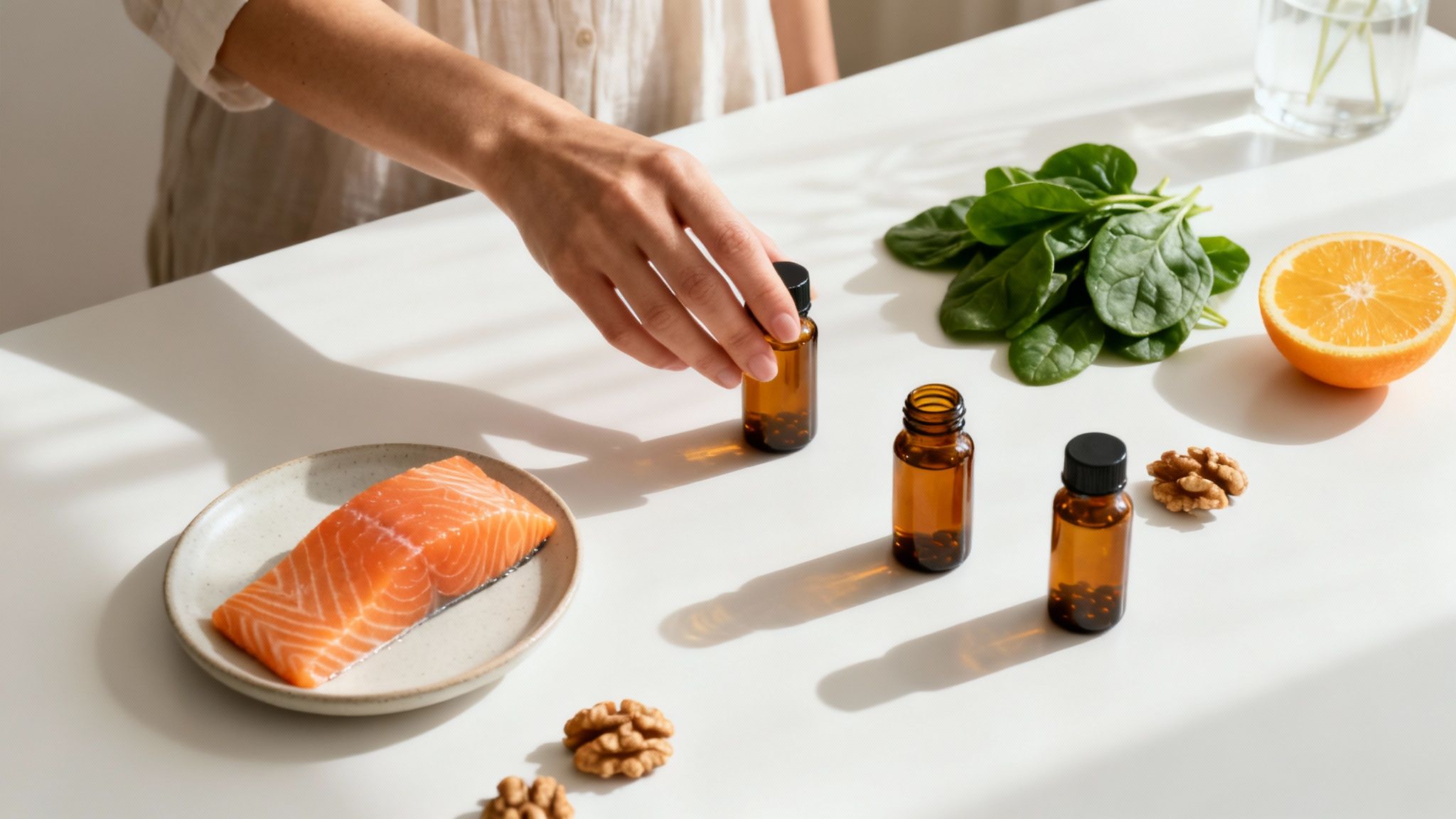
Hormonal shifts are part of life. They influence our energy, mood, cycle, skin—pretty much everything! While these ups and downs are normal, a constant imbalance can leave you feeling drained, irritable, or just not quite right. This is where smart, targeted nutrition can be a game-changer.
Think of our hormones as a finely tuned orchestra. For the music to be beautiful, every instrument needs to play its part in harmony. Specific vitamins and minerals are like the skilled musicians in that orchestra, giving your body the tools it needs to perform beautifully.
The Role of Nutrients in Hormonal Health
Vitamins and minerals aren't just sitting on the sidelines; they are active players in your endocrine system. They act as "cofactors"—essential helper molecules that switch on the processes of hormone production, activation, and breakdown. If you're running low on these key nutrients, it’s like asking the orchestra to play without its sheet music. It's going to be chaos.
Here’s a quick rundown of how they help:
- Hormone Production: Nutrients like B vitamins and zinc are non-negotiable for manufacturing our sex hormones, estrogen and progesterone.
- Stress Regulation: Minerals such as magnesium are brilliant at managing cortisol, our main stress hormone. This helps promote a feeling of calm and sets you up for better sleep.
- Mood Support: Vitamin D and omega-3s are directly involved with our neurotransmitters, which has a huge impact on our mood and emotional stability.
- Detoxification Pathways: Certain vitamins give the liver a helping hand to break down and get rid of excess hormones, preventing issues like estrogen dominance.
Hormonal balance isn’t about flatlining your hormones—that would be unnatural. It's about giving your body the nutritional foundation it needs to navigate the natural ebbs and flows with grace. A well-nourished system is a resilient one, far better equipped to handle daily stress and cyclical changes.
Figuring out which vitamins to balance female hormones are most effective is the first step towards feeling in control of your health again. By focusing on these core nutrients, you can create an internal environment where your body can thrive. This guide will walk you through the most important ones and how you can start using them to feel more energised, stable, and vibrant, no matter what stage of life you're in.
Before we dive deep, here's a quick-reference table to get you started.
Key Vitamins and Their Role in Female Hormone Health
This table summarises some of the most impactful vitamins and minerals for hormonal harmony, highlighting what they do and where you can find them.
| Vitamin or Mineral | Primary Hormonal Role | Best Food Sources |
|---|---|---|
| B Vitamins | Energy production, estrogen metabolism, stress management | Leafy greens, eggs, legumes, salmon |
| Magnesium | Cortisol (stress) regulation, insulin sensitivity, sleep | Dark chocolate, nuts, seeds, spinach, avocado |
| Vitamin D | Mood regulation, insulin sensitivity, thyroid function | Oily fish, mushrooms, fortified foods, sunlight |
| Zinc | Progesterone production, thyroid hormone conversion | Oysters, red meat, pumpkin seeds, lentils |
| Omega-3s | Reducing inflammation, supporting brain health and mood | Oily fish (salmon, mackerel), flaxseeds, walnuts |
Think of this as your cheat sheet for building a hormone-friendly plate. Now, let's explore each of these in more detail.
Understanding Your Hormonal Symphony
To really get a grip on how certain vitamins can bring your body back into balance, it helps to first understand the intricate dance your hormones perform every single day. Think of your endocrine system as a magnificent orchestra. When every musician is playing in tune and on time, the result is a beautiful, harmonious symphony—you feel energetic, your moods are stable, and your body just works.
But what happens if one section of that orchestra starts playing too loudly, or falls completely out of rhythm? The whole performance suffers. This is exactly what happens when your hormones become imbalanced. You might feel exhausted for no reason, irritable, or notice changes in your skin or monthly cycle. The goal isn't to silence any of the instruments, but to help them all play together in perfect harmony.
Meet the Lead Musicians
In the female hormonal orchestra, a few key players take centre stage. Getting to know them helps you understand what’s happening inside your body each month.
- Estrogen (The First Violin): This is the vibrant, energetic leader of the string section. Estrogen is responsible for building the uterine lining, but it also boosts serotonin (your happy chemical), sharpens your mind, and gives your skin a healthy glow. In the first half of your cycle, its melody is strong and uplifting, driving energy and optimism.
- Progesterone (The Calming Cello): Following estrogen's lively performance, progesterone brings a soothing, grounding melody to the second half of your cycle. It's the cello of the orchestra—promoting calmness, supporting deep sleep, and maintaining the uterine lining after ovulation. Its presence helps to balance out estrogen's stimulating effects, creating a sense of stability.
- Cortisol (The Percussion Section): This is your stress hormone, the powerful drumbeat of the orchestra. In short bursts, it’s absolutely essential—it provides the sharp, attention-grabbing rhythm you need to react to danger. The problem starts when stress is chronic. It’s like the drums are constantly banging away, drowning out the more delicate melodies of estrogen and progesterone and throwing the entire symphony into disarray.
The constant interplay between these hormones dictates everything from your fertility to your emotional state. They're designed to work in a delicate, fluctuating rhythm.
When the Music Goes Off-Key
A hormonal imbalance happens when the relationship between these key players is disrupted. One of the most common scenarios for women is something called estrogen dominance. This doesn't always mean you have sky-high estrogen. It can also happen when you have normal estrogen levels but simply not enough progesterone to keep it in check.
Imagine the first violin section deciding to play a loud, dramatic solo throughout the entire concert. It would completely overpower the calming notes of the cello. This is estrogen dominance—the stimulating, growth-promoting effects of estrogen go unchecked, leading to symptoms like heavy periods, mood swings, bloating, and breast tenderness.
This imbalance can be triggered by all sorts of things, including chronic stress (which keeps those cortisol drums banging), a poor diet, or exposure to environmental toxins. The liver, which is responsible for clearing out used hormones, can also become overburdened, allowing excess estrogen to recirculate and cause trouble.
Understanding this dynamic is the first step toward reclaiming your balance. It highlights why specific vitamins to balance female hormones can be so effective. These nutrients act like skilled conductors, stepping in to restore order. They can help calm the frantic percussion of cortisol, support the soothing melody of progesterone, and ensure the liver efficiently clears the stage after each performance. With this foundational knowledge, we can now dive into the specific nutrients that help your hormonal symphony play its most beautiful music.
The Essential Nutrients for Hormonal Harmony
Now that we’ve met the key players in our hormonal orchestra, let's talk about the specific nutrients that act as the conductors, making sure every section plays its part beautifully. Certain vitamins and minerals are exceptionally good at supporting this delicate balance.
Think of them not as a quick fix, but as the essential raw materials your body needs to manufacture hormones, manage stress, and clear out metabolic waste efficiently.
This diagram helps visualise the relationship between your body's hormonal symphony and its two lead musicians, estrogen and progesterone.
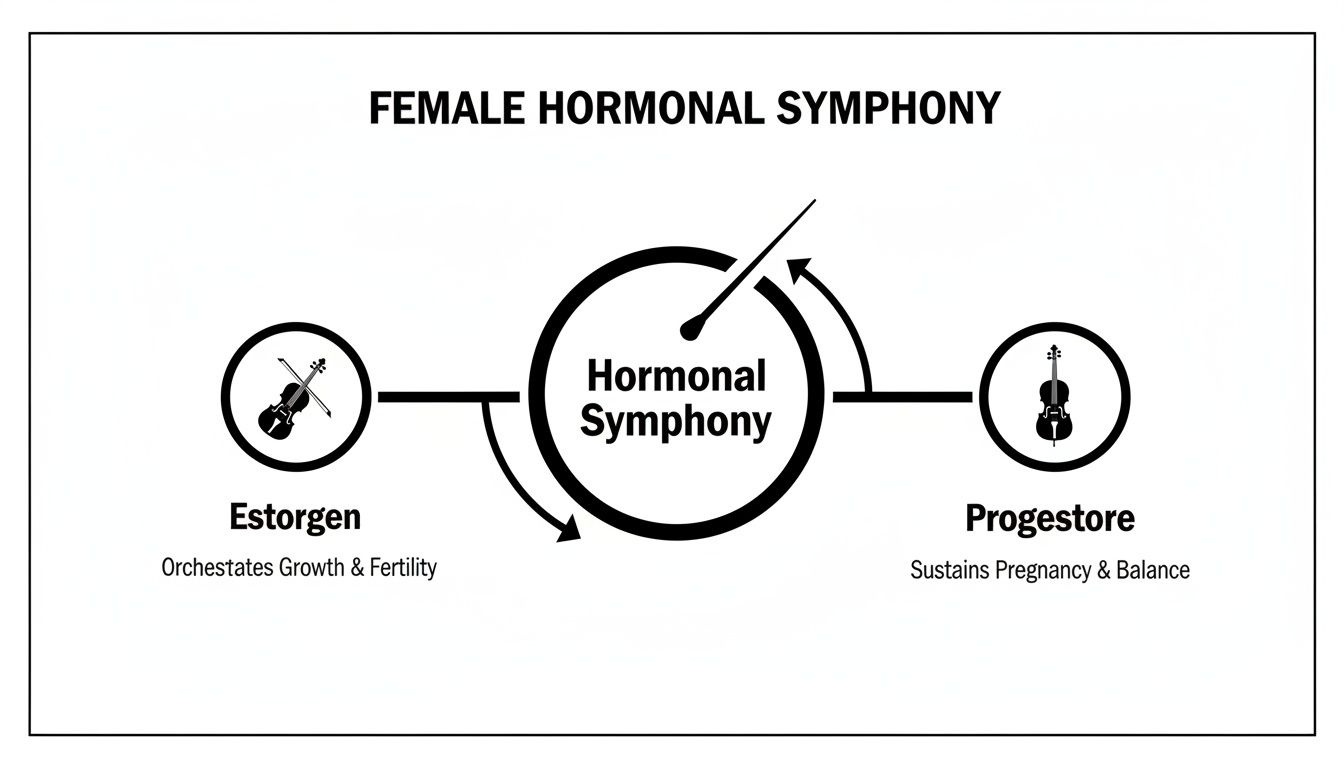
As the graphic shows, true hormonal harmony relies on a balanced interplay between the stimulating energy of estrogen and the calming stability of progesterone. Let's look at the nutrients that make this possible.
Magnesium: The Great Relaxer
Magnesium is a true powerhouse for female hormonal health, involved in over 300 enzymatic reactions in the body. It’s often called the 'great relaxer' for its remarkable ability to calm the nervous system and soothe both mind and body.
This mineral is particularly brilliant at regulating cortisol, our primary stress hormone. When cortisol is chronically high, it throws the entire hormonal cascade into chaos, suppressing progesterone production and contributing to imbalances like estrogen dominance. By helping to manage your stress response, magnesium indirectly supports healthier progesterone levels.
It also plays a key role in insulin sensitivity. Balanced blood sugar is the foundation for happy hormones, as insulin spikes can interfere with ovulation and hormone production.
B Vitamins: The Factory Workers
The B-vitamin family—including B6, B12, and folate—are the diligent 'factory workers' of your endocrine system. They are absolutely critical for energy production and mood regulation, but their most important job in hormonal health is supporting the liver.
Your liver is responsible for detoxifying and clearing out hormones once they’ve served their purpose. B vitamins provide the fuel for this process, particularly for breaking down excess estrogen. A sluggish liver can lead to estrogen recirculation, contributing to symptoms like heavy periods and PMS. For a deeper understanding of their collective benefits, you can explore our detailed guide on what the vitamin B complex is good for.
Vitamin D: The Sunshine Hormone
Often called the 'sunshine hormone', Vitamin D acts more like a hormone than a vitamin in the body. It plays a crucial role in mood regulation, immune function, and, importantly, reproductive health.
Adequate Vitamin D levels are linked to healthy ovulation and optimal thyroid function, another key player in your overall hormonal symphony. Many of us, especially in the UK, are deficient due to limited sun exposure.
This deficiency is particularly prevalent in women with hormonal conditions. In the UK, over 3 million women grapple with Polycystic Ovary Syndrome (PCOS), a condition deeply tied to hormonal imbalances. Vitamin D deficiency is rampant in PCOS patients, with UK studies showing supplementation can help restore ovulatory function in 70% of cases by modulating insulin resistance.
By supporting insulin sensitivity and directly influencing ovarian function, Vitamin D is a non-negotiable nutrient for anyone looking to support their cycle and fertility.
Zinc: The Progesterone Promoter
If progesterone is the calming cello of your hormonal orchestra, then zinc is the skilled musician playing it. This essential mineral is required for the pituitary gland to release follicle-stimulating hormone (FSH), which in turn promotes ovulation and signals the ovaries to produce progesterone.
Without sufficient zinc, this entire process can falter, leading to low progesterone levels in the second half of your cycle. This can show up as a shorter luteal phase, premenstrual spotting, and worsened PMS symptoms. Zinc also has anti-inflammatory properties and supports skin health, helping to manage hormonal acne.
Omega-3 Fatty Acids: The Inflammation Fighters
Finally, omega-3 fatty acids are fundamental for taming inflammation, which is often a root cause of hormonal disruption. Chronic inflammation can interfere with hormone receptor communication, essentially making it harder for your body to 'hear' the messages your hormones are sending.
Omega-3s, found abundantly in oily fish, walnuts, and flaxseeds, help create healthy cell membranes, which is crucial for effective hormone signalling. They can also help reduce the production of prostaglandins, compounds that can cause painful menstrual cramps. By lowering systemic inflammation, omega-3s create a more balanced internal environment where your hormones can function optimally.
Tailoring Supplements to Your Life Stage
Your hormonal needs aren't set in stone. They ebb and flow as you move through different chapters of life, meaning the support that worked wonders in your twenties might not be the right fit during perimenopause. Learning to read these shifts allows you to adapt your approach, giving your body exactly what it needs, when it needs it.
Think of it like tending a garden through the seasons. Spring is all about nutrients for new growth. Summer is for building resilience against stress. In autumn, you provide the nourishment for a graceful transition. Your body deserves the same thoughtful, adaptable strategy.
This section breaks down which vitamins are most helpful during key life stages, so you can build a smart, personalised plan.
Supporting Your Cycle in Your 20s and 30s
During your main reproductive years, the goal is usually pretty straightforward: maintain a regular, comfortable cycle and keep premenstrual syndrome (PMS) from crashing the party. Your hormonal symphony is in full swing, and the focus is on keeping everything in rhythm.
At this stage, the body is highly sensitive to stress, which can easily throw the delicate dance between estrogen and progesterone off-kilter. A few key nutrients can make a world of difference in keeping that balance.
Key Nutrients for This Stage:
- Magnesium: An absolute non-negotiable for this age group. It helps calm the nervous system, dials down the stress hormone cortisol, and can seriously ease menstrual cramps and PMS-related mood swings.
- Vitamin B6: This is a real hero for PMS relief. It’s crucial for producing mood-boosting neurotransmitters like serotonin (which can dip before your period) and it also gives your liver a hand in processing any excess estrogen.
- Omega-3 Fatty Acids: Think of these healthy fats as your internal inflammation-fighting team. By calming inflammation, they can help dial down the intensity of period pain and support clearer hormonal communication.
A steady intake of magnesium and B6 throughout the month acts as a brilliant buffer against the hormonal peaks and troughs that trigger PMS, paving the way for smoother, more predictable cycles.
Navigating Postpartum Recovery
The postpartum period is a time of massive hormonal upheaval. Estrogen and progesterone, which were sky-high during pregnancy, take a nosedive right after birth. This sudden drop is a major contributor to the fatigue, mood shifts, and hair loss many new mums experience.
On top of that, your body’s nutritional reserves are often running on empty after growing, birthing, and now feeding a baby. Replenishment is the name of the game here. The focus shifts from monthly cycle maintenance to deep recovery and rebuilding your energy from the ground up.
Key Nutrients for This Stage:
- Iron: Absolutely crucial for rebuilding red blood cells after delivery and tackling the bone-deep fatigue that is so common for new mothers.
- Vitamin B12: Essential for producing energy and supporting your nervous system. Low levels can make exhaustion feel even worse and contribute to that classic "baby brain" fog.
- Vitamin D: This vitamin is a triple threat, supporting your mood, immune system, and bone health. It's also passed to your baby through breast milk, making it vital for both of you.
This is all about giving your body the foundational building blocks it needs to repair itself and regain strength after the marathon of pregnancy and childbirth.
Thriving Through Perimenopause and Menopause
Once you hit your 40s and beyond, your ovaries start producing less estrogen, and hormonal fluctuations can become more erratic and unpredictable. This transition, known as perimenopause, can last for several years before your final period arrives. Symptoms like hot flushes, night sweats, fatigue, and mood swings are all part of the territory. As women enter different life stages, such as turning 40, their hormonal and nutritional needs evolve, often benefiting from a multivitamin specifically formulated for women over 40.
This transition is a major one in the UK. By 2022, a huge 13 million UK women were either in perimenopause or menopause. Vitamins are a natural ally here, especially when you consider that research shows 90% of women struggle with symptoms like hot flushes. One UK trial found that taking Vitamin E (400IU daily) cut these episodes by 50%. B vitamins are also vital for tackling the fatigue that hits 73% of the 4 million working women aged 45-55. Meanwhile, UK surveys show Magnesium helps ease various symptoms in 65% of users by helping to stabilise the cortisol-estrogen flux.
Key Nutrients for This Stage:
- Vitamin E: As mentioned, this powerful antioxidant has been shown to be particularly good at reducing both the frequency and severity of hot flushes.
- Vitamin D & K2: This duo is your bone health dream team. Estrogen helps protect bone density, so as levels fall, the risk of osteoporosis climbs. Vitamin D helps you absorb calcium, and Vitamin K2 makes sure that calcium goes directly to your bones. Together, they can help prevent the 30% bone density loss that can happen after menopause.
- Magnesium: Still a hero mineral! Magnesium is fantastic for helping with the sleep issues, anxiety, and heart palpitations that often pop up during this transition.
- B Vitamins: These are essential for propping up your energy levels and helping your adrenal glands cope with stress during this time of change. For a deeper dive, check out our guide on the best vitamins for women over 40.
By adapting your supplement strategy to where you are in life, you can provide targeted, effective support that helps you feel your best through every single transition.
Lifestyle Habits That Support Your Hormones

While the right vitamins can be powerful allies, they work best when you pair them with supportive daily habits. Think of your supplements as the expert musicians in your hormonal orchestra; your lifestyle choices are the concert hall's acoustics that allow their music to really sing.
Creating a holistic plan amplifies the benefits of any supplement routine. It means looking at your nutrition, movement, stress, and sleep not as separate boxes to tick, but as interconnected pillars. Together, they create a stable foundation for your hormones to thrive.
Fuel Your Body with Hormone-Friendly Nutrition
What you put on your plate provides the raw materials for both making and detoxifying your hormones. A few simple tweaks to what you eat can make a huge difference in how you feel day-to-day.
Try focusing on these key food groups:
- Cruciferous Vegetables: Think broccoli, cauliflower, kale, and Brussels sprouts. They contain a compound called indole-3-carbinol, which helps your liver efficiently process and clear out any excess estrogen.
- Healthy Fats: Foods like avocado, nuts, seeds, and olive oil give you the essential building blocks for producing steroid hormones, including estrogen and progesterone.
- Quality Protein: Including lean protein with every meal helps to keep your blood sugar levels stable. This is key for preventing sharp insulin spikes that can disrupt ovulation and throw other hormones out of balance.
Move Your Body Intelligently
Exercise is a potent tool for hormonal health, but the type of movement really matters. It's less about punishing workouts and more about choosing exercises that help manage stress and improve your insulin sensitivity.
Activities like strength training are fantastic for building muscle, which improves how your body uses glucose and handles insulin. On the flip side, gentle activities like walking and yoga are brilliant for lowering cortisol, your main stress hormone. The secret is finding a sustainable balance that energises you, rather than leaving you feeling drained.
Your goal with exercise should be to send your body signals of strength and safety, not signals of stress. A blend of resistance training and restorative movement creates a powerful combination for hormonal harmony.
Master Your Stress and Sleep
Chronic stress and poor sleep are two of the biggest disruptors when it comes to female hormonal health. When your body is stuck in a "fight or flight" state, cortisol production goes through the roof, which can suppress progesterone and knock your entire cycle off-kilter.
Beyond specific nutrients, integrating practical tips to improve your sleep quality is one of the most fundamental things you can do. Good sleep is when your body repairs itself, detoxifies, and resets its hormonal rhythms for the day ahead. Aim for 7–9 hours a night in a cool, dark, and quiet room.
Bringing stress-management techniques into your day—like deep breathing, meditation, or just spending a few minutes in nature—can significantly lower your cortisol levels. Even five minutes of mindfulness can make a real difference. For an extra helping hand, you can discover the best time to take magnesium to promote relaxation and improve your sleep even further.
Your Top Questions, Answered
Venturing into the world of supplements can feel a bit overwhelming, so let's clear up some of the most common questions. Here are some quick, straightforward answers to help you feel confident as you get started.
How Long Until I See a Difference?
This is the big question, isn't it? While some women feel a welcome lift in their energy or mood within a few weeks, it realistically takes about 2–3 menstrual cycles to notice significant changes in things like cycle regularity or PMS.
Think of it this way: you’re gradually topping up your body's nutrient reserves. Hormonal balance isn’t an overnight fix; it's a process. Stick with it – consistency is your best friend here.
Can I Get Everything I Need From My Diet Alone?
A healthy, nutrient-rich diet is absolutely the foundation of good hormonal health, but sometimes it’s just not enough to get the job done on its own.
Modern life throws a lot at us. High stress levels can deplete our nutrient stores faster, and modern farming practices mean our soil isn't as rich in minerals as it once was. This makes it incredibly difficult to get optimal amounts of key players like Magnesium from food alone. Supplements are simply a smart and reliable way to fill in those nutritional gaps.
Think of supplements not as a substitute for a healthy diet, but as a strategic tool. They ensure your body has an abundant supply of the specific nutrients it needs to thrive, especially during demanding times like postpartum or perimenopause.
Are There Any Vitamins I Should Be Careful With?
Yes, it’s always wise to be mindful. For instance, if you have a thyroid condition, it's crucial to speak with your doctor before taking high doses of certain minerals, as they can interfere with thyroid function.
This is where personalised advice is key. Getting guidance from a health professional is essential, especially if you have a pre-existing condition or are taking other medications.
What’s the Single Most Important Vitamin for Female Hormones?
It's tough to crown just one winner, as hormones really do rely on a team of nutrients working together. But if we had to pick a foundational hero, it would be Magnesium.
This mineral is a true powerhouse for female health, involved in over 300 processes in the body. It helps calm your stress response, improves sleep quality, and can ease menstrual cramps, making it an absolute champion for hormonal balance.
Ready to create a supplement stack that’s perfectly aligned with your body’s needs? At VitzAI.com, we use smart technology to provide personalised recommendations based on your unique health goals. Discover your ideal vitamin combination and start your journey to better balance today at https://vitzai.com.
This article is for informational purposes only and is not medical advice. Always consult a qualified health professional before starting any new supplement or major lifestyle change.