

Vitamins to Balance Hormones for Females: A UK Guide
Navigating the world of hormonal health can feel complex, but the good news is you have more control than you might think. Certain vitamins and minerals are the unsung heroes behind the scenes, supporting the incredibly complex systems that regulate our hormones. Think of nutrients like B vitamins, vitamin D, magnesium, and omega-3s – they're the foundational building blocks for producing and fine-tuning key hormones like estrogen and progesterone. Getting enough of them can make all the difference in managing everything from PMS to menopause symptoms.
Understanding Your Hormonal Orchestra

Picture your hormones as a beautifully tuned orchestra. When the lead instruments – estrogen and progesterone – are playing in perfect harmony, you feel on top of the world: energetic, clear-headed, and emotionally steady. But if one of those instruments goes just a little bit flat, the whole performance can feel off, leading to fatigue, mood swings, or unpredictable cycles.
This delicate interplay is what we call hormonal health. It’s a dynamic process that naturally shifts throughout a woman's life, especially during major life stages like:
- Menstruation: The monthly cycle is a perfect example, conducted by the precise rise and fall of estrogen and progesterone.
- Pregnancy: Hormone levels surge to incredible heights to support the monumental task of growing a new life.
- Perimenopause and Menopause: This is the natural transition where reproductive hormones begin to decline, often bringing significant physical and emotional changes with them.
Before we dive into the specific nutrients that can help, it's useful to have a quick overview of the main players in our hormonal orchestra.
Key Female Hormones and Their Roles
| Hormone | Primary Role in the Body | Common Sign of Imbalance |
|---|---|---|
| Estrogen | Regulates the menstrual cycle, supports bone density, and influences mood. | Irregular periods, mood swings, hot flushes. |
| Progesterone | Prepares the uterus for pregnancy and helps maintain early pregnancy. | PMS, anxiety, difficulty sleeping. |
| Testosterone | Contributes to libido, muscle mass, and energy levels. | Low sex drive, fatigue, weight gain. |
| Cortisol | The primary "stress hormone" that manages inflammation and metabolism. | Chronic fatigue, cravings, feeling "wired but tired." |
This table is just a starting point, but it shows how interconnected these hormones are. When one is out of sync, it can easily affect the others.
The Scale of Hormonal Imbalance in the UK
While these hormonal shifts are a normal part of life, the discomfort they can bring doesn't have to be. Unfortunately, hormonal issues are incredibly common, yet they often fly under the radar.
Disturbing data from over 211,000 tracked menstrual cycles in the UK revealed that a staggering 47% of cycles showed no clear signs of ovulation, and 22% had low progesterone levels. Even more shocking? Around 66% of women in the UK have never had their hormone levels tested, which points to a huge gap in awareness and proactive care.
This is where targeted nutrition can step in and act as the conductor for your internal orchestra. By supplying your body with the specific vitamins it needs to balance hormones, you can gently guide them back into a beautiful, harmonious rhythm.
Taking a proactive approach to your diet and lifestyle is one of the most powerful things you can do. For a deeper understanding, exploring best practices for managing estrogen levels is a fantastic step towards reclaiming your sense of balance and well-being.
The Foundational Vitamins for Hormonal Health
Just like a house needs a solid foundation to stand strong, your hormonal health relies on a few key nutrients to keep everything running smoothly. Think of these as the non-negotiable building blocks your body needs to produce, regulate, and metabolise hormones. Without them, the whole system can start to feel out of sync.
The most crucial players in this hormonal orchestra are Vitamin D, the B-vitamin family, and Vitamin E. Each one has a specific, vital role to play.
Vitamin D: The Sunshine Hormone
It’s easy to think of Vitamin D as just another vitamin, but it actually functions more like a hormone itself. This "sunshine vitamin" is essential for everything from supporting ovarian function and regulating your menstrual cycle to influencing your mood. When your levels are low, it’s not uncommon to feel a bit down or notice disruptions in the delicate rhythm of your reproductive health.
The Powerhouse B Vitamins
When you're looking for vitamins to balance female hormones, the B-vitamin family is an absolute must, with Vitamin B6 taking a starring role. It’s indispensable for producing progesterone, often called the "calming" hormone, which helps to beautifully counterbalance estrogen's effects.
Without enough B6, you might experience more intense PMS symptoms like irritability and bloating. It's a simple case of your body lacking the raw materials to create the hormones needed for a balanced mood and cycle. If you want to dive deeper, you can learn more about how the entire vitamin B complex is good for your health in our detailed guide.
You can think of B vitamins as the skilled technicians of your hormonal system, making sure all the communication lines stay clear and production schedules are met on time.
Vitamin E: The Protective Antioxidant
Then there's Vitamin E, a powerful antioxidant that helps protect your hormonal glands from oxidative stress—think of it as a bodyguard for your cells. It’s particularly well-known for its potential to ease menstrual pain and breast tenderness, which really shows its direct impact on how you feel throughout your cycle. It's clear that a shortfall in these core nutrients can have a real, noticeable effect on your day-to-day wellbeing.
Key Minerals That Amplify Vitamin Performance
Vitamins are powerful, but they rarely fly solo. Think of them as the star players on a team; they need a strong supporting cast to truly shine. When it comes to your hormones, certain minerals are the essential teammates that help your body unlock the full potential of the vitamins you're taking, turning good intentions into real results.
This partnership is absolutely fundamental. It's what creates a solid foundation for lasting hormonal balance. Two of the most important players in this process are magnesium and zinc. They act like keys, unlocking the benefits of various vitamins to help balance hormones for females.
This infographic gives a great visual of how key vitamins work together for female hormonal health.
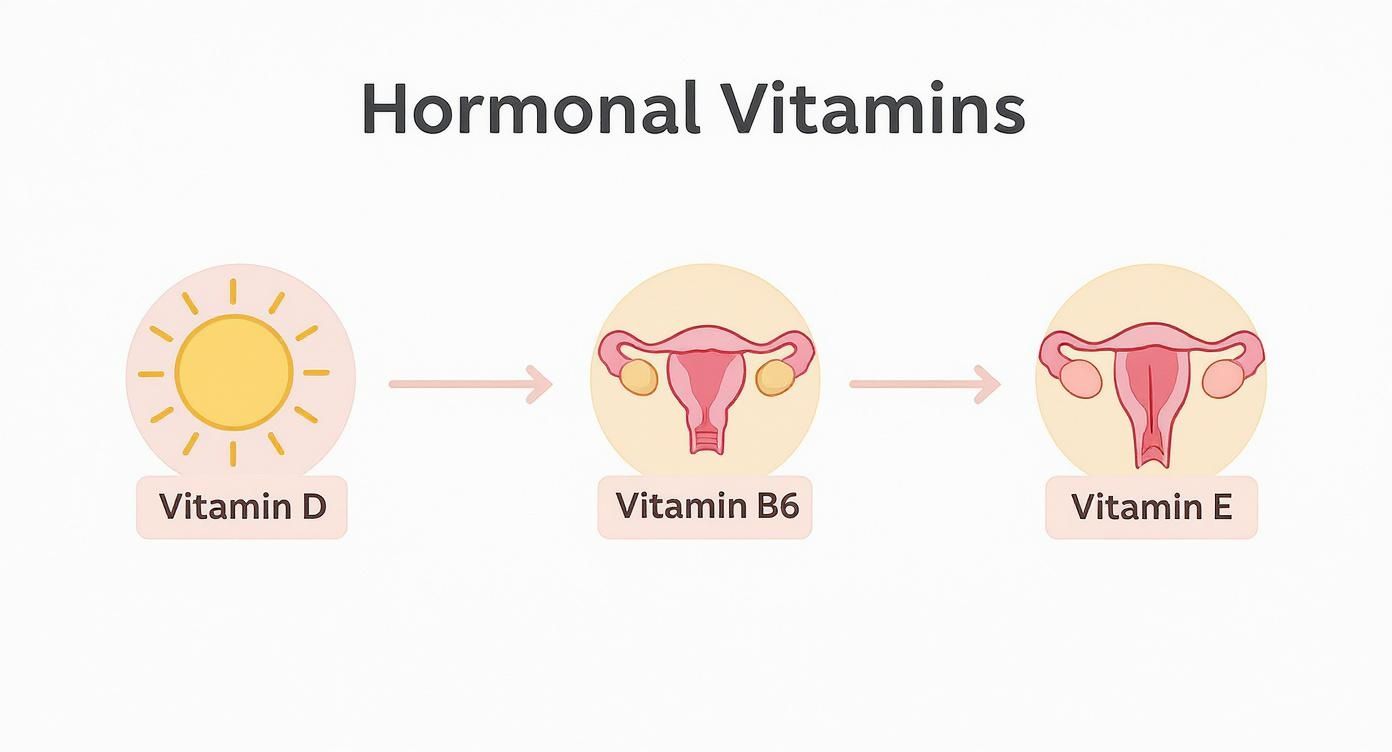
As you can see, vitamins D, B6, and E each support distinct yet complementary aspects of the female endocrine system, from ovarian function right through to progesterone production. Minerals help make all of this happen more effectively.
To give you a clearer picture, here’s a quick rundown of some top nutrients and where you can find them in foods readily available in the UK.
Top Vitamins and Minerals for Hormone Balance
| Nutrient | Key Hormonal Benefit | UK Food Sources |
|---|---|---|
| Vitamin B6 | Supports progesterone production, which is crucial for a healthy luteal phase. Also helps metabolise estrogen. | Chicken breast, salmon, bananas, chickpeas, potatoes |
| Magnesium | The 'relaxation mineral'. It helps regulate the stress hormone cortisol and supports nervous system function. | Dark leafy greens (spinach, kale), nuts (almonds, cashews), seeds (pumpkin, sesame), dark chocolate |
| Zinc | Essential for healthy ovulation and thyroid function, which sets the pace for your metabolism and impacts sex hormones. | Shellfish (oysters, crab), red meat, lentils, pumpkin seeds, whole grains (oats) |
| Vitamin D | Often called the 'sunshine vitamin'. It acts more like a hormone itself, influencing ovarian function and overall hormonal pathways. | Oily fish (salmon, mackerel, sardines), egg yolks, fortified cereals, mushrooms |
| Vitamin E | A powerful antioxidant that can help ease symptoms of PMS and support a healthy uterine lining. | Sunflower seeds, almonds, spinach, avocados, hazelnuts |
This table highlights just how interconnected these nutrients are. Now, let's take a closer look at the two mineral powerhouses.
Magnesium: The Ultimate Relaxation Mineral
Often called nature's tranquilliser, magnesium is absolutely crucial for managing the body's stress response. Its main job in the hormone world is to help regulate cortisol, our primary stress hormone.
When cortisol levels are constantly high—thanks to modern life—it can throw your entire hormonal orchestra out of tune, messing with sleep, mood, and reproductive health. Magnesium steps in to calm the nervous system, which helps keep cortisol in check. It’s also involved in hundreds of biochemical reactions, including activating Vitamin D, making it a true multitasking mineral.
Think of magnesium as a master regulator. It doesn’t just perform its own duties; it makes sure other essential nutrients, like vitamins, can do their jobs properly too.
Zinc: The Ovulation and Thyroid Supporter
Zinc is another non-negotiable mineral that plays a direct role in female reproductive health. It's essential for healthy thyroid function, and your thyroid acts as the metabolic control centre for your entire body. An underactive thyroid can have a massive knock-on effect on your sex hormones.
On top of that, zinc is instrumental in the process of ovulation itself. It supports the development of healthy eggs and helps regulate the hormones that trigger their release each month. A deficiency here can easily contribute to irregular cycles and other frustrating hormonal issues.
The synergy between minerals and vitamins is what truly matters. To dive deeper into how these two powerhouse minerals work together, check out our guide on zinc and magnesium supplements.
Navigating Hormonal Shifts Through Perimenopause and Menopause
Your body’s hormonal needs don’t just stay the same forever; they naturally shift and change throughout your life. The move into perimenopause and menopause is one of the most significant of these shifts, as the natural drop in estrogen and progesterone can bring on a whole new set of challenges.
This phase is a major reality for women all over the UK. Those all-too-common experiences like hot flushes, broken sleep, and mood swings that seem to come out of nowhere are directly tied to these fluctuating hormone levels. It's an issue that can really get in the way of daily life and even work.
Why Your Nutrient Needs Change
As this internal hormonal landscape changes, what your body needs from a nutritional standpoint changes right along with it. Certain vitamins and minerals suddenly become even more essential to help your body adapt gracefully to its new normal. They provide the support needed to manage symptoms and just feel well, day-to-day.
Take Vitamin D, for instance. It becomes incredibly important for protecting your bone density as estrogen levels fall. B vitamins also step up to play a vital role in keeping your energy levels stable and supporting your mood—both of which can feel a bit rocky during this transition. Think of them as essential tools to help your body find a new sense of balance.
Targeted nutrition isn't just about chasing symptoms; it's a powerful way to move through this natural life stage with more ease and confidence. It's about empowering your body from the inside out.
And this is a critical time for millions. Here in the UK, it’s estimated that nearly 4.4 million women will be going through menopause in 2025. The knock-on effect is huge, with 61% reporting lost motivation and around 10% even leaving their jobs because of their symptoms. You can read more about these revealing UK menopause statistics on Chemist-4-U.com.
Understanding which vitamins can help balance hormones for women during this time is the first step. For those looking beyond this phase, our guide to the best post-menopause supplements offers more great information for maintaining vitality in the long run.
Beyond Nutrients: Lifestyle Habits That Shape Your Hormones
While the right vitamins are fantastic tools for balancing female hormones, they work best when they're part of a bigger picture. Think of your daily habits as the foundation of your hormonal health; they can either support or sabotage your body's delicate endocrine system. Supplements are the reinforcements, but your lifestyle is the front line.
One of the biggest players here is chronic stress. When you're constantly on edge, your body is in a state of high alert, pumping out the stress hormone cortisol. Over time, persistently high cortisol levels can really throw your reproductive hormones out of whack, leading to things like irregular cycles and much worse PMS. This is where stress-management tools like mindfulness or supplements like ashwagandha can be incredibly beneficial.
The Pillars of Hormonal Wellbeing
Managing stress, getting enough sleep, and moving your body aren't just 'nice-to-haves'—they're non-negotiable for hormonal health. These pillars work in harmony to create an internal environment where your hormones can flourish.
- Prioritise Quality Sleep: This is when the magic happens. Your body regulates and produces crucial hormones while you sleep. Consistently getting less than 7-8 hours a night can disrupt this entire process, affecting everything from your mood to your menstrual cycle.
- Embrace Moderate Exercise: You don't need to run a marathon. Gentle, consistent movement like brisk walking, yoga, or swimming is brilliant for regulating cortisol, improving how your body uses insulin, and giving your mood a natural boost. Adding in some strength training can also be great for bone health and metabolism, and a supplement like creatine can help support muscle performance and energy.
- Nurture Your Gut Health: The connection between your gut and your hormones is huge. Your gut microbiome plays a vital role in metabolising hormones, particularly estrogen. A diet packed with fibre from fruits and vegetables keeps your gut happy, ensuring old hormones are processed and flushed out efficiently.
By addressing these lifestyle factors, you create a powerful synergy. You're not just taking a supplement; you're building a complete strategy that supports your body from every angle.
If you struggle with sleep, especially around your period, you might find some great ideas in these tips for sleeping with menstrual cramps. Even small adjustments in this area can make a massive difference.
Your Action Plan for Hormonal Harmony
Right, you've got the knowledge – now what? It's time to start putting together a hormone support plan that actually feels like you. The goal isn't to be perfect overnight. Think of this as a gentle, patient process of combining smarter food choices with really good, targeted supplements. There’s no magic pill here; real balance comes from a consistent plan that’s tailored to your body.
The best place to start is always your plate. Before you even think about supplements, focus on bringing in more hormone-friendly foods. Loading up on things rich in magnesium, zinc, and B vitamins is your first, and most powerful, move. We’re talking leafy greens, nuts, seeds, and quality protein. This is the foundation that allows any supplement you take to actually do its job properly.
Your Action Steps
Once you've got your nutrition heading in the right direction, you can start thinking about more targeted support. Here’s a simple way to approach it:
- Figure Out What You Need: Take a moment to think about where you are in life and what your symptoms are telling you. Are you struggling with PMS? Navigating perimenopause? Or just feeling wiped out all the time? This helps you decide which nutrients to prioritise.
- Start with a Good Foundation: A high-quality multivitamin can be a great safety net. It helps cover the basics and ensures you’re not missing out on key players like Vitamin D or the B-vitamin family.
- Add in Targeted Extras: From there, you can layer in specifics. If stress and poor sleep are your main issues, magnesium could be a game-changer. If inflammation is a concern, an omega-3 supplement might be what you need. Adaptogens like ashwagandha or mushroom blends can also offer fantastic support for stress and overall resilience.
The most important thing is to listen to your body. Pay attention to how you feel as you make these small changes. Finding your hormonal balance is a journey, not a destination. It’s the small, consistent steps that deliver the biggest results over time.
It’s great to see that this is being recognised on a national level. The Women's Health Strategy for England was launched to tackle exactly these kinds of gaps in healthcare, including the huge role nutrition plays in our hormonal health. For instance, we know that widespread vitamin D deficiency in UK women is a serious issue that can make bone loss during menopause even worse. Evidence shows that hormone replacement therapies – which vitamins can help support – may cut fracture risks by up to 26%. It just goes to show how powerful a well-rounded approach can be. You can find out more about these important health recommendations on thebms.org.uk.
Still Have Questions?
Diving into the world of supplements for hormone balance can feel a bit overwhelming, and it’s natural to have a few questions pop up. Let's clear up some of the most common ones.
How Long Before I See a Difference in My Hormones?
This is a big one, and the honest answer is: it takes time. While you might feel a subtle lift in your energy or mood within a few weeks, don't expect an overnight miracle.
Think of it like watering a thirsty plant. It needs consistent nourishment to thrive. For significant, lasting changes in your cycle and overall hormonal harmony, you’ll want to give it at least three to four months of consistent supplementation. This gives your body a real chance to top up its nutrient stores and for your hormones to find their rhythm.
Can’t I Just Get Everything From My Diet?
A food-first approach is always the gold standard, no question. A diet packed with whole foods lays the best possible foundation for hormonal health.
But here’s the reality: it's tough to get absolutely everything we need from food alone these days. Modern farming practices have left our soil less nutrient-rich than it once was, which means our food can be too. A high-quality supplement isn't a replacement for a good diet, but it's a fantastic insurance policy to make sure you're not missing out on any key players.
I Have PCOS – Should I Be More Cautious with Supplements?
Yes, absolutely. Conditions like Polycystic Ovary Syndrome (PCOS) create a really unique hormonal environment in the body. While many of the vitamins we've discussed are incredibly supportive, every woman's body is different.
It’s so important to work with a doctor or a qualified health professional who understands your specific needs. They can help you put together a plan that’s not just effective, but completely safe for you.
This article is for informational purposes only and is not medical advice. Always consult a qualified health professional before starting any new supplement or major lifestyle change.