

What Vitamins Should I Take Daily for a Woman Quiz
For many adult women, the useful starting points are 400 micrograms of folate daily, 18 milligrams of iron daily from ages 19 to 50, and 15 micrograms, or 600 IU, of vitamin D daily from ages 19 to 70. After menopause, iron usually falls to 8 milligrams daily, while calcium becomes more important, reaching 1,200 milligrams daily after menopause.
You're probably here because you've searched “what vitamins should I take daily as a woman?” and ended up with a shopping list long enough to fill a bathroom cabinet. One article recommends a women's multivitamin, another tells you to add iron, magnesium, collagen, omega-3, and a hormone blend, and a third warns that nearly everything is unnecessary.
The problem isn't that you're bad at choosing supplements. The question is incomplete. Your age, menstrual status, diet, sunlight exposure, pregnancy possibility, blood loss, medications, and health history all change the answer. A useful what vitamins should I take daily for a woman quiz should identify those inputs first, then recommend only what fits.
Why the Daily Vitamin Question Is Harder Than It Looks
A woman standing in a pharmacy aisle can face dozens of bottles that all promise energy, immunity, hormonal balance, or “complete” nutrition. She may choose the label that sounds most all-encompassing, then discover that it contains iron she doesn't need, nutrients she already get from fortified foods, or doses that overlap with another product.
That confusion is structural, not personal. Adult women don't have one fixed nutritional profile. A menstruating woman with heavy periods, little dietary iron, and limited sunlight has a different starting point from a postmenopausal woman who eats fish regularly and takes a daily walk outdoors.
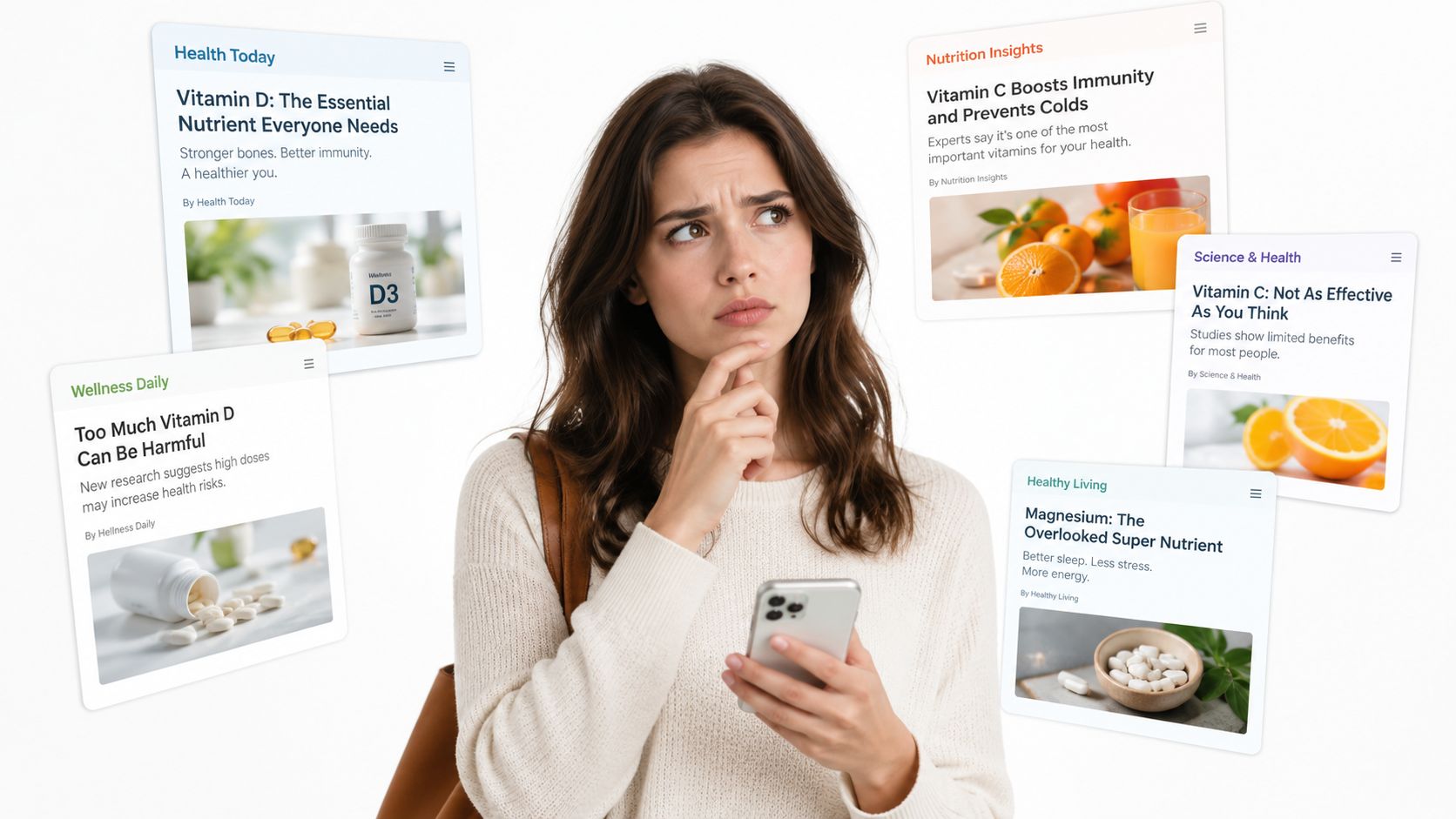
The same bottle can be sensible for one woman and wrong for another
Blanket advice to “take a women's multivitamin” misses the biggest decision points. Iron may be relevant for women who menstruate, particularly when bleeding is heavy, but it shouldn't be treated as an automatic lifelong ingredient. After menopause, menstrual iron loss ends, while calcium and vitamin D become more prominent for bone health.
Pregnancy potential changes the conversation too. Women who may become pregnant need to pay close attention to folate, because adequate folic acid before and during early pregnancy helps reduce the risk of neural tube defects. The National Institutes of Health review of dietary reference intakes lists 400 micrograms of folate daily for adults and explains why pregnancy potential belongs in a nutrition questionnaire.
Practical rule: Don't start with the product shelf. Start with the life stage, diet pattern, and most likely nutrient gap.
A calmer approach sorts you into a life-stage group, checks the nutrients that have a plausible reason to matter, and then asks whether food, testing, or a supplement is the most sensible next step. That's the standard a women's vitamin quiz should meet.
The Life-Stage Map Every Women's Vitamin Quiz Should Start With
A serious quiz should begin with four routes, not one generic women's formula. The boundaries aren't rigid, but they create a useful first filter for daily recommendations.
Reproductive age usually means asking about menstrual flow, pregnancy possibility, diet, and blood donation. Iron can matter because menstrual losses raise requirements, while folate matters for anyone capable of becoming pregnant. A vegan or vegetarian diet may also make B12 worth reviewing.
Perimenopause brings changing cycles and shifting priorities. Irregular or heavier bleeding can still affect iron status, while attention often turns toward calcium, vitamin D, protein-rich foods, and overall bone support. Don't assume a “hormone balance” product solves those needs.
Postmenopause removes routine menstrual iron loss from the equation. Iron generally shouldn't be added automatically, while calcium and vitamin D deserve a closer look. The U.S. National Institutes of Health reference overview identifies a rise in calcium intake from 1,000 milligrams for younger women to 1,200 milligrams after menopause.
Pregnancy or actively trying to conceive is a separate track. Folate becomes essential, and a clinician or midwife should guide decisions about iron, iodine, choline, DHA, and the rest of a prenatal plan. This isn't the moment to combine several general-purpose products and hope their ingredients add up correctly.
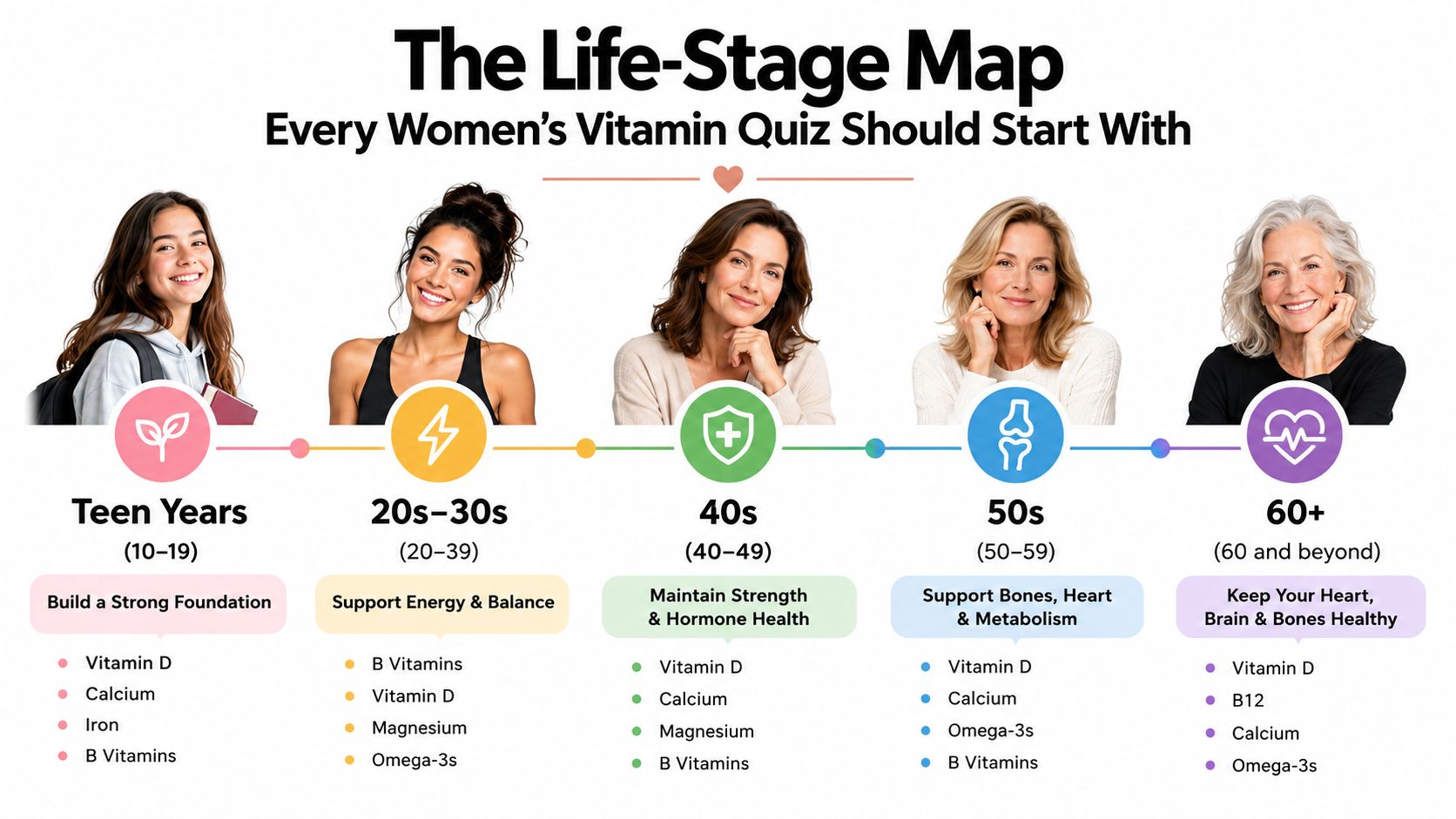
The age question matters because reference intakes change. For example, the same NIH review places vitamin D at 15 micrograms, or 600 IU, for adults aged 19 to 70, rising to 20 micrograms, or 800 IU, after age 70. A quiz that ignores age can't sensibly distinguish a baseline recommendation from an age-specific one.
For a practical overview of how these decisions can be organised, read this guide to women's health vitamins by life stage.
Core Daily Nutrients Women Are Most Likely to Need
A personalised quiz should not flag every nutrient on a label. It should identify the few nutrients that match your age, menstrual status, diet, sunlight exposure, pregnancy potential, and blood loss, then show how to check whether you are getting enough.
| Nutrient | Main role | Daily target for adult women | Top food sources | When to prioritise |
|---|---|---|---|---|
| Vitamin D | Helps support bones and calcium use | 15 mcg, or 600 IU, from ages 19 to 70 | Fortified foods, oily fish, sunlight | Limited sunlight, older age, or confirmed low status |
| Vitamin B12 | Supports blood and nerve function | 2.4 mcg | Fish, meat, eggs, dairy, fortified foods | Vegan diets, older age, or absorption concerns |
| Folate | Supports cell division and pregnancy health | 400 mcg | Leafy greens, beans, fortified grains | Pregnancy possibility, trying to conceive, or low intake |
| Iron | Helps carry oxygen in the blood | 18 mg from ages 19 to 50, 8 mg after age 51 | Meat, beans, lentils, fortified cereals | Heavy periods, pregnancy, blood loss, or diagnosed deficiency |
| Calcium | Supports bones and muscle function | 1,000 mg for younger adult women, 1,200 mg after menopause | Dairy, calcium-set tofu, fortified foods | Low dairy intake, menopause, or low dietary intake |
| Omega-3 | Adds useful fatty acids to the diet | No universal supplement dose | Oily fish, seafood, algae products | Little or no fish, pregnancy-specific guidance, or dietary preference |
Vitamin D and B12
Vitamin D requires a context check. Sunlight exposure, season, skin coverage, skin tone, location, diet, and existing blood levels all affect the decision. If you spend most of the day indoors or rarely eat fortified foods and oily fish, put vitamin D on the quiz. Testing gives you a firmer answer than guessing from fatigue.
B12 deserves priority when reliable food sources are missing. A vegan marathon runner relying on fortified oat milk may still fall short without a measured dose, so this evidence-based B12 dosing guide for athletes can help frame the question. Older adults and people with absorption concerns also need a closer review.
Folate and iron
Folate belongs near the top of the list for any woman who could become pregnant. The dietary reference review on folate and pregnancy notes that women capable of becoming pregnant are commonly advised to obtain at least 400 micrograms of folic acid daily from fortified foods or supplements.
Iron needs a more targeted decision. Women aged 19 to 50 have a target of 18 milligrams daily, while the target falls to 8 milligrams after age 51, as outlined by Women's Health. Heavy periods, pregnancy, frequent blood donation, demanding endurance training, or low test results all raise its priority. Skip routine iron after menopause unless a clinician identifies a reason.
Calcium and omega-3
Calcium works best as part of a broader bone-health plan. Check dairy, fortified plant drinks, calcium-set tofu, and other regular sources before adding a large tablet. Low dietary intake, particularly around and after menopause, supports a targeted discussion rather than automatic calcium in a daily formula.
Omega-3 starts with food frequency. The National Center for Complementary and Integrative Health guidance on omega-3 supplements describes American Heart Association advice to eat fish, particularly fatty fish, twice per week, while U.S. dietary guidance advises at least 8 ounces of seafood per week for adults. If you eat little or no fish, consider food changes or an algae-based option according to your dietary preferences. Women who are pregnant or may become pregnant also need to review mercury exposure, fish choices, and limits described by the British Dietetic Association's omega-3 guidance.
Broad Multivitamin vs Targeted Single Nutrients
Most women are choosing between two reasonable routes. The first is a broad multivitamin matched to age and sex. The second is a small, targeted plan built around diet, life stage, symptoms, and test results.
A multivitamin can be convenient when meals are inconsistent and the formula avoids unnecessarily high doses. It may suit a woman with a varied but imperfect diet who wants basic coverage. It isn't a licence to stack additional products without reading labels, especially when fortified foods, prenatal products, and separate vitamin D or B12 supplements overlap.
Targeted nutrients make more sense when the reason is clear. A vegan woman may need B12, a woman with heavy periods may need iron testing, and a woman who rarely eats fish may consider food changes or an omega-3 option. Generally healthy, well-nourished adults shouldn't expect a multivitamin to prevent cancer, cardiovascular disease, or death, as discussed in the Harvard Nutrition Source review of vitamins.
| Factor | Daily multivitamin | Targeted single nutrients |
|---|---|---|
| Diet quality | Useful when intake is varied but inconsistent | Better when one dietary gap is obvious |
| Age band | Choose an age-appropriate formula | Adjust individual nutrients to the life stage |
| Pregnancy status | A general formula isn't a prenatal plan | Clinician-guided prenatal nutrients are more appropriate |
| Known deficiency | May not provide enough for correction | Allows a clinician to select the relevant nutrient and amount |
| Pill burden | One product can be simpler | Several products can create overlap |
| Main risk | Unnecessary ingredients or excessive combined intake | Missing a wider gap or choosing an unsuitable dose |
The evidence favours restraint. A 2025 Frontiers study reported that 39.1% of respondents used supplements regularly and 31.5% occasionally, while a 2024 NCI analysis found daily multivitamins didn't lower all-cause mortality. Those findings don't make supplements pointless. They make indiscriminate supplement stacking a poor strategy.
If you're comparing products after identifying your actual gaps, you can explore the OneTwenty supplement range alongside other options. Read the full label, compare overlapping ingredients, and keep the plan narrower than your initial shopping impulse.
Lifestyle and Diet Inputs That Change Your Answer
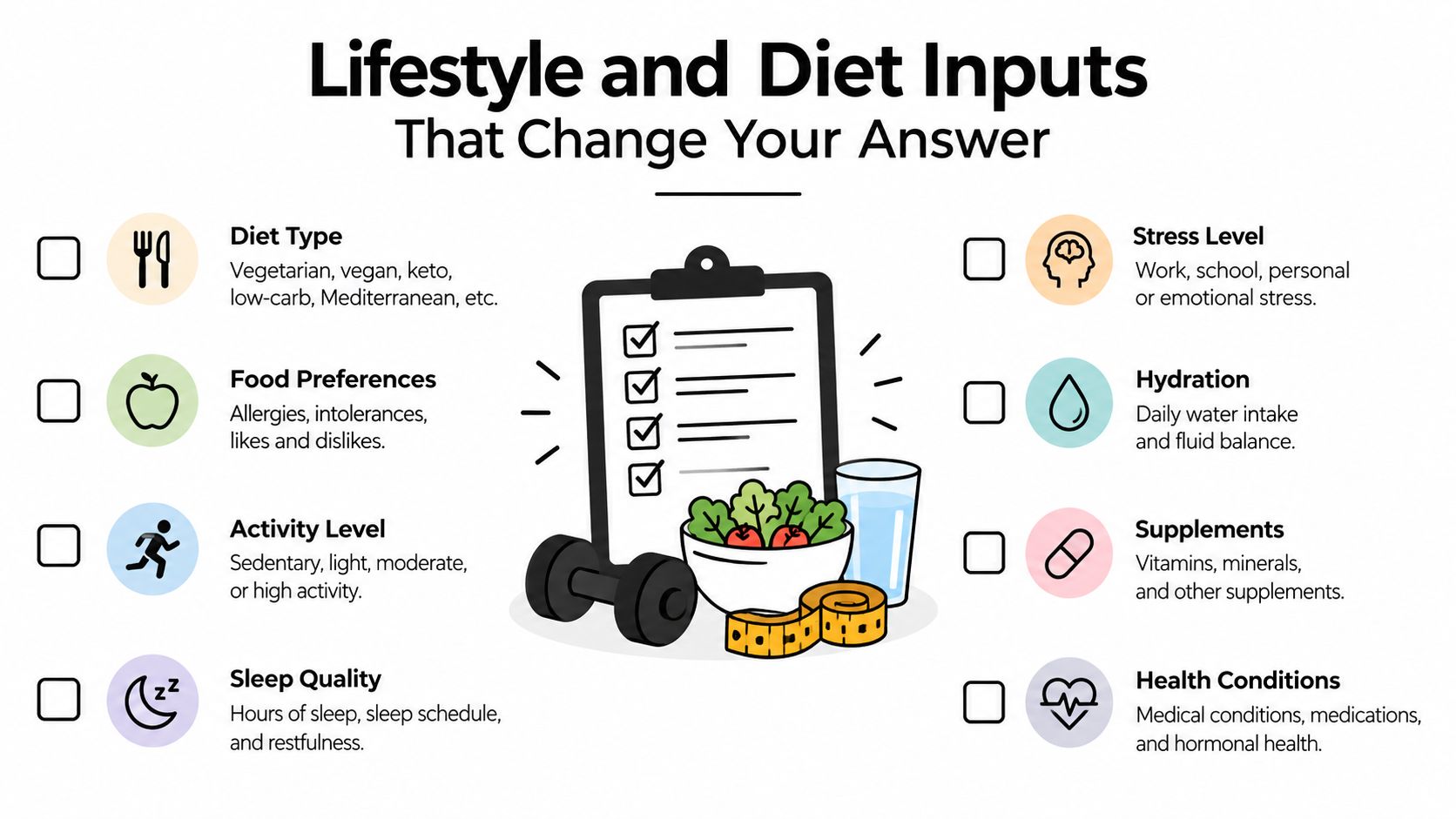
A useful quiz treats lifestyle details as dials. Each answer changes the priority of a nutrient without pretending that one response proves a deficiency.
Start with the inputs that move the baseline
Sunlight exposure helps determine whether vitamin D deserves attention. The quiz should ask how much time you spend outdoors, whether clothing or sunscreen limits exposure, and whether you already have a vitamin D result.
Menstrual heaviness and blood donation change the iron question. Heavy bleeding, frequent donations, breathlessness, or persistent tiredness are reasons to consider testing rather than buying iron immediately.
Dairy and fortified-food intake affects calcium planning. Lactose intolerance, dairy avoidance, and a low intake of fortified alternatives make dietary calcium harder to achieve, particularly when bone health becomes a larger concern.
Fish intake helps sort omega-3 and B12 priorities. A pescatarian may get both from food, while a vegan needs a different plan for B12 and may prefer an algae-based omega-3 route.
Add the questions people usually skip
Pregnancy possibility should be explicit, even if you're not currently trying to conceive. It changes the folate conversation and may change how you assess iodine, iron, choline, DHA, and product safety with a healthcare professional.
Stress, poor sleep, and low energy can prompt a review of overall diet and B-vitamin intake, but they don't prove a B-complex deficiency. Alcohol intake can also make diet quality and folate or thiamine intake worth discussing, without turning a symptom into a diagnosis.
A strong quiz also asks about exercise, digestion, allergies, prescription medicines, and current supplements. The answer “I already take a fortified breakfast product” may be just as important as “I don't eat fish.”
When to Test First and When to See a Doctor
The safer plan isn't always the one with more capsules. If you have symptoms or a high-risk situation, testing can replace guesswork with useful information.
For vitamin D, ask about a 25-hydroxyvitamin D test. For B12 concerns, a clinician may review serum B12 alongside folate. For heavy periods or suspected iron deficiency, ferritin and a full blood count are more informative than taking iron and hoping fatigue improves. Calcium concerns may justify a broader assessment, including calcium in a basic metabolic panel, depending on your clinical history.
Symptoms deserve investigation
Fatigue, shortness of breath, paleness, unexplained weight loss, chest discomfort, numbness, persistent weakness, or major changes in bleeding shouldn't be treated as a simple supplement-shopping problem. Iron deficiency can have an underlying cause, and self-treatment may delay the right investigation.
Women who are pregnant or breastfeeding, take prescription medicines, have kidney or liver conditions, have a diagnosed deficiency, or have had bariatric surgery should get professional guidance before building a supplement plan. Medication examples that warrant a conversation include thyroid medicines, anticonvulsants, warfarin, and metformin.
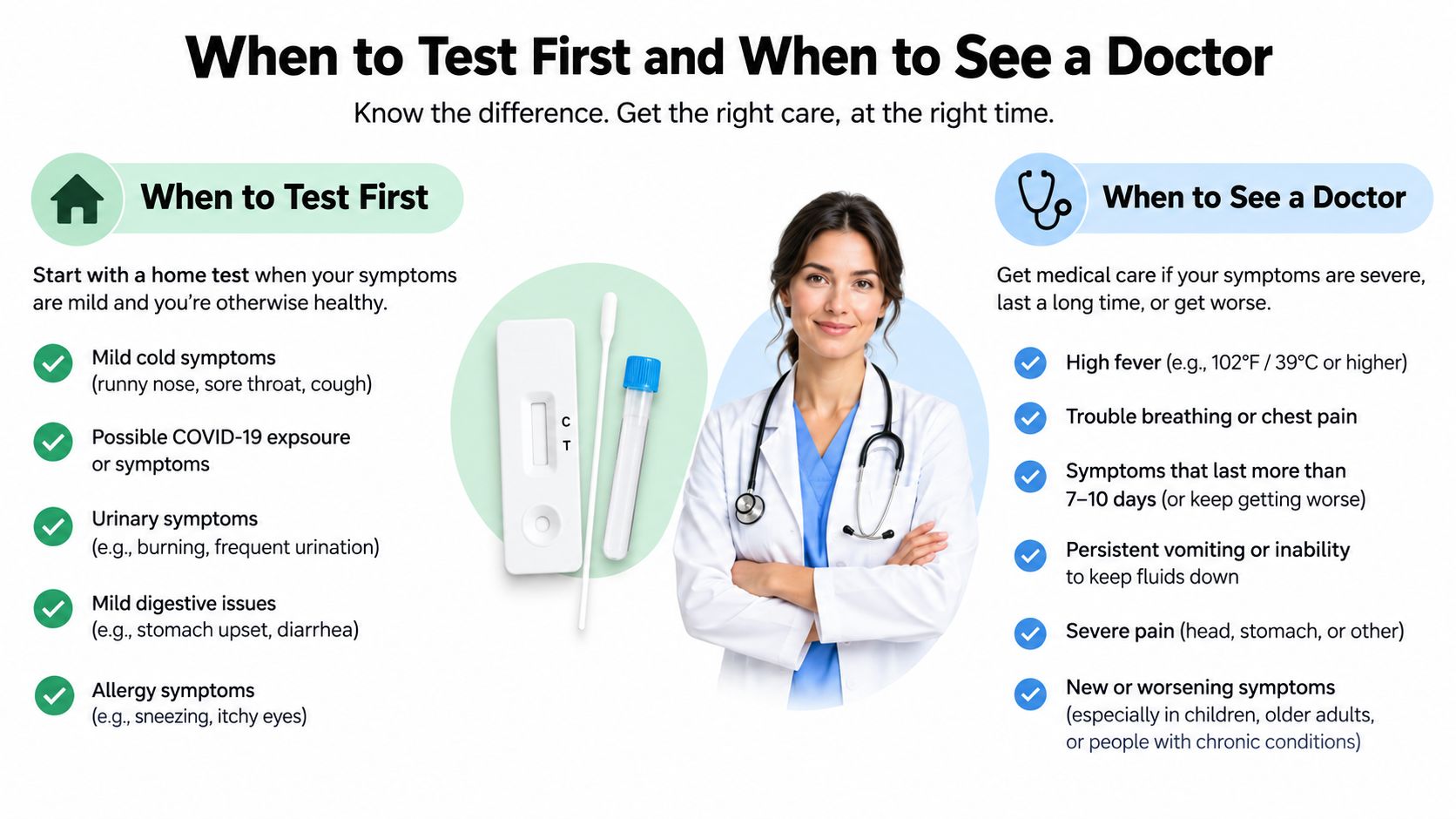
Testing rule: Test first when symptoms are present, the risk is high, or the nutrient could cause harm when taken unnecessarily. Supplement first only when your life stage and diet create a clear, low-risk rationale.
An at-home option may help you understand what kinds of measurements are available, but it shouldn't replace clinical interpretation. This guide to a vitamin deficiency test at home is a useful starting point for understanding the testing conversation.
How the VitzAI Personalised Supplement Quiz Works
The VitzAI quiz turns the decision path into a short questionnaire. It asks about life stage, menstrual status, diet pattern, sunlight exposure, pregnancy intent, exercise, energy, sleep, stress, digestion, current medicines, allergies, and supplements already in use. You can also use available lab results as context, but the quiz doesn't turn a questionnaire into a medical diagnosis.
The output should be read as a ranked shortlist, not a command to buy everything. Look for three practical categories:
- Likely needed: A nutrient that matches a clear life-stage or dietary gap.
- Optional: A nutrient that may fit your preferences or goals but isn't obviously necessary.
- Skip for now: An ingredient with no strong reason to add based on your answers.
The useful part is the explanation behind each recommendation. If vitamin D is flagged because you report limited sunlight, that gives you a reason to verify the plan with a clinician or test. If iron is omitted because you're postmenopausal with no identified deficiency, that restraint is meaningful too.
Read the suggested daily ranges against your existing products. A prenatal, multivitamin, fortified food, and individual vitamin can all contribute to the same total. Re-run the quiz after a blood test, a major diet change, a new medication, pregnancy, menopause, or a change in training routine. For a walkthrough of the process, use the personalised supplement quiz guide.
Putting It All Together and What to Do Next
The answer to “what vitamins should I take daily as a woman?” starts with life stage. Your age and menstrual status establish the baseline, diet and sunlight adjust the priorities, pregnancy potential changes the safety conversation, and testing protects you from treating symptoms with the wrong nutrient.
The practical next step is to complete the VitzAI quiz and use its shortlist as a starting point, not a substitute for judgement. If you have heavy periods, pregnancy, unexplained symptoms, a chronic condition, prescription medicines, or a history of bariatric surgery, book an appointment with your GP, pharmacist, or dietitian before adding targeted supplements.
Your plan should be easy to revise. Food may solve one gap, a single nutrient may solve another, and some ingredients should stay off your list until testing or professional advice gives you a reason to use them.
Use VitzAi.com to work through a personalised supplement quiz based on your age, diet, lifestyle, goals, and existing routine. Start with the women's vitamin questions, review the reasons behind the recommendations, and take the resulting shortlist to a qualified professional if your health history needs closer review.
This article is for informational purposes only and is not medical advice. Always consult a qualified health professional before starting any new supplement or major lifestyle change