

Finding the Best Female Hormone Balancing Supplement
When you hear "hormone-balancing supplements," you might picture a single magic pill. The reality is a bit more nuanced—and a lot more effective. It’s less about one cure-all and more about a strategic blend of ingredients like Ashwagandha to dial down stress, Magnesium for relaxation, and Omega-3s to tackle inflammation. The best approach supports your body's own endocrine system, helping it find its natural rhythm. This guide is here to show you which ingredients are actually backed by science and how to choose the right combination for you.
Your Guide to Navigating Female Hormonal Health
Hormonal shifts are just part of life as a woman, but that doesn't mean the fatigue, mood swings, and general discomfort that come with them have to be your everyday reality. Getting to grips with how to support your body's intricate hormonal network is the first real step toward feeling your best, whether you're dealing with your monthly cycle, recovering postpartum, or navigating the transition into menopause.
Think of this as your roadmap to cutting through the noise. We're here to give you a clear path to understanding how targeted supplements can work with your body, not against it. It’s all about moving beyond quick fixes to find sustainable, long-term wellbeing.
Why This Matters Now More Than Ever
If you're looking for better ways to manage your hormonal health, you're definitely not alone. The global women's health supplement market is experiencing huge growth, with projections showing an expansion from USD 163.5 billion in 2025 to USD 316.0 billion by 2035. This boom isn’t just a trend; it highlights a major shift toward natural, non-hormonal options for managing everything from PMS and stress to menopause. You can read more about the booming women's health market here.
This guide will focus on key, evidence-backed ingredients to help you make choices you can feel confident about. We’ll be diving into:
- Ashwagandha: A fantastic adaptogen that helps your body build resilience against stress.
- Magnesium: An essential mineral for promoting relaxation and getting a better night's sleep.
- Omega-3s: Powerful fatty acids that reduce inflammation, a common culprit behind hormonal chaos.
By understanding how these powerhouse ingredients work, you can start building a supplement strategy that’s perfectly in tune with your body’s unique needs and helps you achieve your long-term health goals.
What Hormone Balance Actually Feels Like
The phrase ‘hormone balance’ gets thrown around a lot, but what does it actually mean for how you feel day-to-day? It’s less of an abstract concept and more about your body’s internal rhythm.
Think of your hormones as a finely tuned orchestra. Each one—like oestrogen, progesterone, and cortisol—is an instrument that needs to play its part at just the right time and volume. When they’re all in sync, the result is harmony. You feel energetic, your mood is stable, you sleep like a log, and your cycle is predictable. It's that feeling of just being... well.
But if one instrument is out of tune—say, the stress hormone cortisol is playing way too loudly—it can throw the entire performance into chaos. This is when you start to notice the very real, tangible signs of hormonal imbalance. The goal of a well-chosen supplement isn’t to silence any one instrument, but to help the whole orchestra play its best symphony.
The Key Players in Your Hormonal Orchestra
To spot when things are off-key, it helps to know what the main players are meant to be doing. Think of them as the lead violin, cello, and percussion sections of your body’s orchestra.
-
Oestrogen: This is your primary female sex hormone, running the show for everything from regulating your menstrual cycle to supporting bone health, mood, and even your skin’s glow. When oestrogen is balanced, you tend to feel energetic, positive, and mentally sharp.
-
Progesterone: Often called the ‘calming’ hormone, progesterone is the perfect counterbalance to oestrogen. It helps prepare the body for pregnancy, supports deep sleep, and has a natural anti-anxiety effect. Healthy progesterone levels help you feel relaxed and settled.
-
Cortisol: Known as the ‘stress hormone’, cortisol is essential for your fight-or-flight response. In healthy doses, it gets you out of bed in the morning and helps you navigate short-term stressors. The trouble starts when chronic stress keeps cortisol levels persistently high, which can disrupt sleep, your metabolism, and the delicate balance of other key hormones like progesterone.
Recognising the Signs of an Orchestra Out of Tune
When these hormones fall out of sync, the symptoms can feel frustratingly vague yet are very real. It's rarely about one specific thing feeling "off"; it's more of a collection of consistent nudges from your body that something isn't quite right.
An imbalance isn't a single dramatic event but a slow disruption of your body's natural rhythm. That persistent fatigue that coffee can't fix, mood swings that feel out of character, or sleep that never feels truly deep are all signals that your internal orchestra needs a bit of support.
Here are some common signs that your hormonal symphony is hitting the wrong notes:
- Persistent Fatigue: That bone-deep exhaustion, even after a full night's sleep.
- Irregular Cycles: Periods that are unpredictable, unusually heavy, or frustratingly light.
- Unexplained Weight Changes: Gaining or losing weight without any real changes to your diet or exercise routine.
- Poor Sleep Quality: Tossing and turning, struggling to fall asleep, or waking up feeling like you haven't slept at all.
- Mood Fluctuations: Experiencing waves of anxiety, irritability, or sadness that seem to come out of nowhere.
Learning to read these signals is the first, most powerful step. It shifts you from just trying to manage the symptoms to actually addressing the root cause—which is the foundational ‘why’ before we dive into the ‘how’ of supportive supplements and lifestyle changes.
Key Ingredients That Truly Support Female Hormones
Wandering down the supplement aisle can feel like a guessing game, with countless bottles promising a quick fix for hormonal woes. But genuine, lasting support doesn’t come from a magic pill; it comes from specific, well-researched ingredients that work with your body’s intricate hormonal symphony, not against it.
Instead of getting sidetracked by the latest trend, let’s focus on the science-backed powerhouses that truly form the foundation of hormonal health. These are the compounds that get to the root of imbalance, tackling things like chronic stress, nutrient gaps, and inflammation. Understanding what they do is the first step toward finding a supplement that actually makes a difference.
Think of your key hormones—oestrogen, progesterone, and cortisol—as musicians in an orchestra. When one is playing too loudly or out of tune, the entire performance suffers. For optimal health, they need to be in perfect harmony.
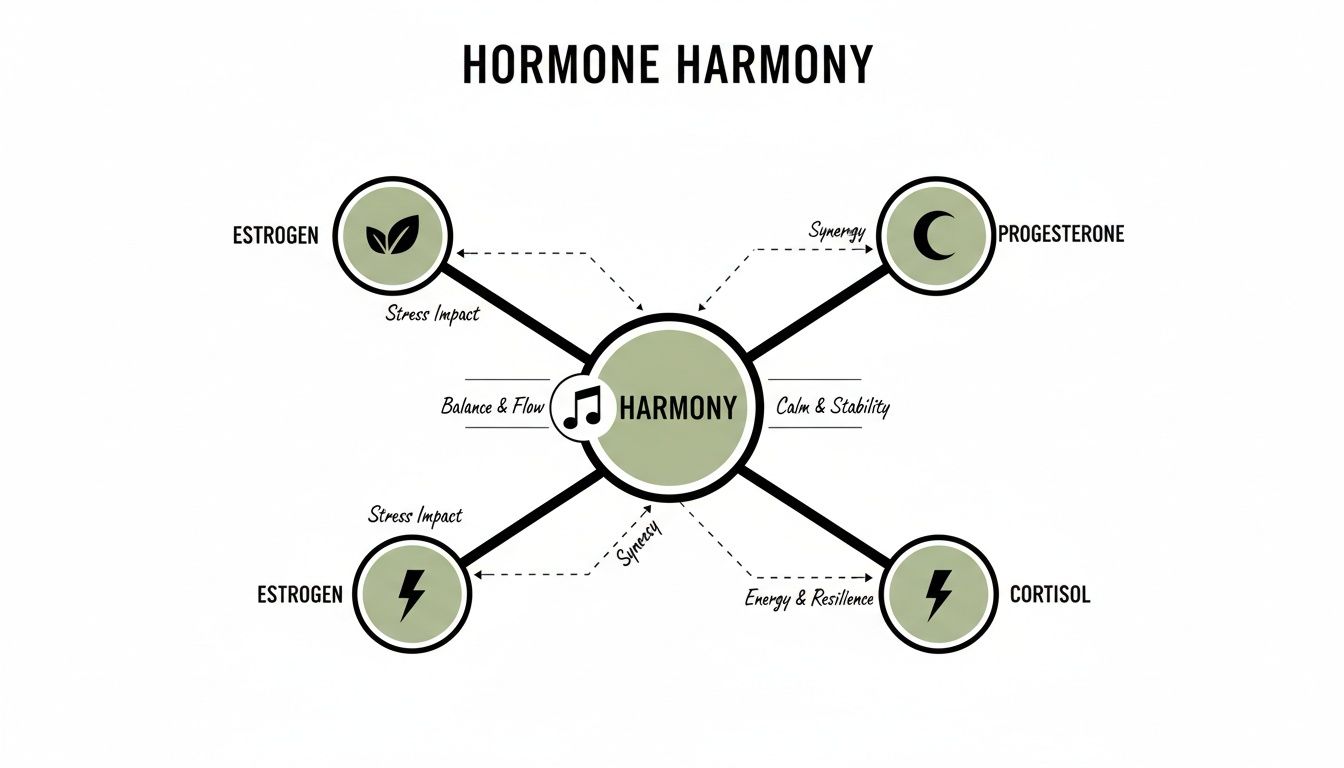
As you can see, keeping this delicate balance is crucial for everything from your mood and energy levels to the regularity of your menstrual cycle.
Tame Your Stress with Ashwagandha
Modern life often has our stress response stuck in the 'on' position, leading to a constant drip of the stress hormone, cortisol. When cortisol is chronically high, it can throw your entire hormonal system into chaos, often by suppressing progesterone production. This is where adaptogens, like the incredible herb Ashwagandha, step in.
Ashwagandha is an ancient remedy revered for its ability to help the body build resilience to stress. It doesn't just put a plaster on the symptoms; it works by moderating the hypothalamic-pituitary-adrenal (HPA) axis—your body’s central command centre for stress.
By helping to regulate cortisol, Ashwagandha can indirectly support progesterone levels, which is vital for a regular cycle and a calmer mood. Studies have also shown it can help dial down feelings of anxiety and improve sleep, two common casualties of a hormonal rollercoaster.
Think of Ashwagandha as a volume knob for your body's stress alarm. It doesn't turn it off—you still need it for genuine threats—but it stops it from blaring all day, allowing your other hormones to finally hear each other.
Calm Your System with Magnesium Glycinate
Magnesium is a true multitasker, involved in over 300 different processes in the body. Despite its importance, it’s one of the most common nutrient deficiencies we see. For female hormones, its role is absolutely pivotal for mood, sleep, and stress management.
Magnesium helps to soothe the nervous system by supporting the production of GABA, a calming neurotransmitter that essentially tells your brain it’s okay to relax. It's no surprise, then, that low magnesium is often linked to anxiety, irritability, and restless nights—all classic signs of hormonal imbalance.
It also plays a direct role in your hormone pathways, helping to lower cortisol and support progesterone. But when you’re choosing a supplement, the form of magnesium you take matters. A lot.
- Magnesium Glycinate: This is our top pick. It's bound to the amino acid glycine, which has its own calming effect on the brain. It’s incredibly well-absorbed and gentle on the stomach, making it perfect for tackling anxiety and improving sleep without causing digestive issues.
- Magnesium Citrate: While also effective, this form is better known for its laxative effect, which might not be what you’re looking for.
- Magnesium Oxide: This is a cheaper, common form you’ll see in many basic supplements, but it’s poorly absorbed and won't do much to restore your levels.
Ensuring you have enough magnesium gives your body a foundational tool for managing stress and supporting the hormones that help you feel calm and centred.
Fight Inflammation with Omega-3 Fatty Acids
Chronic, low-grade inflammation is a silent disruptor of hormonal health. It can interfere with the delicate communication between your hormones, contributing to everything from painful periods and PMS to the challenging symptoms of perimenopause. Omega-3 fatty acids are your best friends here, acting as powerful anti-inflammatory agents.
The two most beneficial types are EPA (eicosapentaenoic acid) and DHA (docosahexaenoic acid), found mainly in oily fish like salmon, mackerel, and sardines. These healthy fats are literally the building blocks of your cell membranes, allowing hormone signals to be sent and received clearly.
A regular intake of omega-3s can help:
- Ease Period Pain: They can lower the production of inflammatory prostaglandins, the compounds that cause menstrual cramps.
- Boost Your Mood: DHA is a major structural part of your brain and is vital for its function, helping to soothe mood swings and anxiety.
- Improve Insulin Sensitivity: Keeping your blood sugar stable is key for hormonal harmony, and omega-3s help your cells respond better to insulin.
If you’re not eating oily fish a few times a week, a high-quality fish oil or algae-based supplement is a brilliant way to get the EPA and DHA your body is crying out for.
Top Ingredients for Female Hormone Support
To make things a bit clearer, here’s a quick-reference table of the ingredients we've found to be most effective for supporting women's hormones.
| Supplement | Primary Hormonal Action | Helps With Symptoms Like |
|---|---|---|
| Ashwagandha | Modulates cortisol and supports the HPA axis (stress response system). | Stress, anxiety, poor sleep, fatigue. |
| Magnesium Glycinate | Calms the nervous system, supports GABA production, and aids progesterone synthesis. | PMS, mood swings, anxiety, insomnia, muscle cramps. |
| Omega-3s (EPA/DHA) | Reduces systemic inflammation, improving hormone receptor sensitivity. | Painful periods, brain fog, mood issues, dry skin. |
| B Vitamins | Essential for hormone synthesis and aids liver detoxification of excess hormones. | Low energy, PMS, oestrogen dominance, poor stress resilience. |
This isn't an exhaustive list, but these four powerhouses provide a fantastic foundation for building back your hormonal balance and feeling more like yourself again.
Support Your Foundation with B Vitamins
Think of B vitamins as the spark plugs for your body’s engine. This family of eight essential nutrients is critical for producing energy, supporting brain function, and, most importantly, for creating and clearing out hormones. When it comes to female hormone balance, they are simply non-negotiable.
Vitamins B6, B9 (folate), and B12 are particularly important for helping the liver detoxify used hormones, especially oestrogen. If this clearance process is sluggish, you can end up with oestrogen dominance—a common imbalance linked to heavy periods, bloating, and irritability.
Let’s take a closer look at the key players:
- Vitamin B6 (Pyridoxine): A true hero for progesterone production. It’s well-known for helping ease PMS symptoms, especially mood-related ones, and also supports your 'feel-good' neurotransmitters, serotonin and dopamine.
- Vitamin B9 (Folate): Crucial for healthy detoxification pathways. We always recommend the methylated form, methylfolate, as many people have a common genetic variation that makes it hard to use the synthetic version (folic acid).
- Vitamin B12 (Cobalamin): Essential for energy and nerve health. Just like with folate, the methylated form, methylcobalamin, is more bioavailable and ready for your body to use immediately.
A good B-complex supplement ensures you’re getting the full team working together. You can learn more about the specific roles of vitamins that balance female hormones in our detailed guide.
Finding the Right Supplements for Your Life Stage
A woman’s hormonal needs aren't static – they shift and change with each new chapter of life. What works wonders in your twenties might not be what your body is asking for during perimenopause. So, choosing the right support isn't about finding one magic pill; it’s about adapting your strategy to your specific life stage and honouring the unique biological rhythm of your body right now.
Instead of a one-size-fits-all approach, let’s get personal. By tailoring your supplement choices to whether you're in your reproductive years, the postpartum period, perimenopause, or menopause, you can give your body targeted support exactly where it’s needed most. This is about working with your body, not against it.
Support During Your Reproductive Years
For many of us, the reproductive years are defined by the monthly ebb and flow of oestrogen and progesterone. When this rhythm gets knocked off-kilter, it can bring on those frustrating PMS symptoms we know all too well – mood swings, bloating, and fatigue. The goal here is simple: promote a regular, more comfortable cycle.
A couple of key players to consider:
- Magnesium Glycinate: This calming mineral is a total superstar for PMS. It helps relax smooth muscle tissue (a big help for menstrual cramps) and supports the production of GABA, a neurotransmitter that helps soothe anxiety and irritability.
- Chasteberry (Vitex Agnus-Castus): This herb has been used for centuries to encourage menstrual regularity. It works by gently influencing the pituitary gland, which can help nudge up progesterone levels in the second half of your cycle – a common issue for many women struggling with PMS.
These ingredients are all about smoothing out the hormonal peaks and valleys that can make the days before your period so challenging, paving the way for a more balanced cycle.
Replenishing Nutrients Postpartum
The postpartum period is a time of massive hormonal upheaval and serious nutrient depletion. Your body has just done the incredible job of growing a whole new person, and it’s completely normal to feel exhausted, overwhelmed, and emotionally fragile. Nutritional support during this time isn't just a nice-to-have; it's essential for recovery.
Here, the focus shifts to restocking your body’s nutrient stores and supporting your mood. A high-quality postnatal multivitamin is a brilliant starting point, providing foundational nutrients like iron, B vitamins (especially B12 and folate), and vitamin D.
The 'baby blues' are often linked to the dramatic drop in oestrogen and progesterone after birth, coupled with sleep deprivation and nutrient depletion. Supporting your body with the right building blocks can make a significant difference in mood regulation and energy levels during this vulnerable time.
Omega-3s, particularly DHA, are also vital. They don’t just support your baby’s brain development if you’re breastfeeding; they are crucial for your own brain health and can help you navigate postpartum mood changes more smoothly.
Navigating Perimenopause with Grace
Perimenopause is that transitional rollercoaster before menopause, often kicking off in a woman's late thirties or forties. It's marked by wildly fluctuating hormones, which can trigger a host of unpredictable symptoms like hot flushes, night sweats, sleep problems, and mood swings.
This is where adaptogens and phytoestrogens can really shine.
- Ashwagandha: This powerful adaptogen helps your body better cope with the stress of hormonal chaos. By regulating cortisol, it can improve sleep, dial down anxiety, and help you feel more resilient.
- Maca Root: Hailing from Peru, maca is known for supporting the endocrine system and helping to balance hormones naturally. Many women find it helps boost energy, stabilise their mood, and improve libido during this transition. For women navigating specific life stages, such as perimenopause, a dedicated peri-menopause supplements can offer targeted relief and support.
Thriving in Menopause and Beyond
Once you've officially hit menopause (defined as twelve months without a period), your hormonal landscape has permanently changed. Oestrogen levels are now consistently low, which brings a new set of health considerations to the forefront, including bone density, heart health, and vaginal health.
The supplement strategy here is focused on long-term wellness and managing any lingering symptoms.
- Vitamin D and Calcium: This classic duo is non-negotiable for bone health. Low oestrogen accelerates bone density loss, so getting enough of both is crucial for preventing osteoporosis.
- Red Clover: This herb is rich in isoflavones, which are plant-based compounds that can gently mimic the effects of oestrogen in the body. Research suggests it can be effective in reducing the frequency and severity of hot flushes and night sweats.
The demand for effective, natural solutions in this area is growing fast. In fact, the UK menopause market generated USD 490.1 million in 2024, with dietary supplements making up a dominant 98.12% of that. It's clear that women are actively seeking natural support, highlighting the need for personalised supplement recommendations during this important life stage.
By understanding the distinct needs of each phase, you can make smarter, more effective choices. Our guide to essential women's health vitamins offers a deeper look into the specific nutrients that support you at every age.
How to Choose a High-Quality Hormone Supplement
Walking down the supplement aisle can feel pretty overwhelming. With countless bottles all claiming to be the magic bullet for hormone balance, how do you know what’s legit and what’s just clever marketing? The truth is, not all supplements are created equal, and learning what to look for is key to investing in your health wisely.
Think of it as becoming a savvy shopper for your own body. Once you know how to read between the lines on a label, you can sidestep the duds and pick a supplement that will actually make a difference.
Prioritise Bioavailability
First up, let’s talk about bioavailability. It sounds technical, but it’s a simple concept: how much of a nutrient your body can actually absorb and put to good use. You can swallow a tablet, but if your body can't absorb the good stuff inside, it's not doing you any favours.
Magnesium is a perfect example. Many budget supplements use magnesium oxide, a form that’s notoriously difficult for the body to absorb. Most of it just passes right through you. On the other hand, magnesium glycinate is a different story. It’s ‘chelated’, meaning it's bound to an amino acid (glycine), which acts like a VIP pass, escorting the magnesium into your system much more effectively. It’s also gentler on the stomach, a common complaint with other forms.
Demand Third-Party Testing
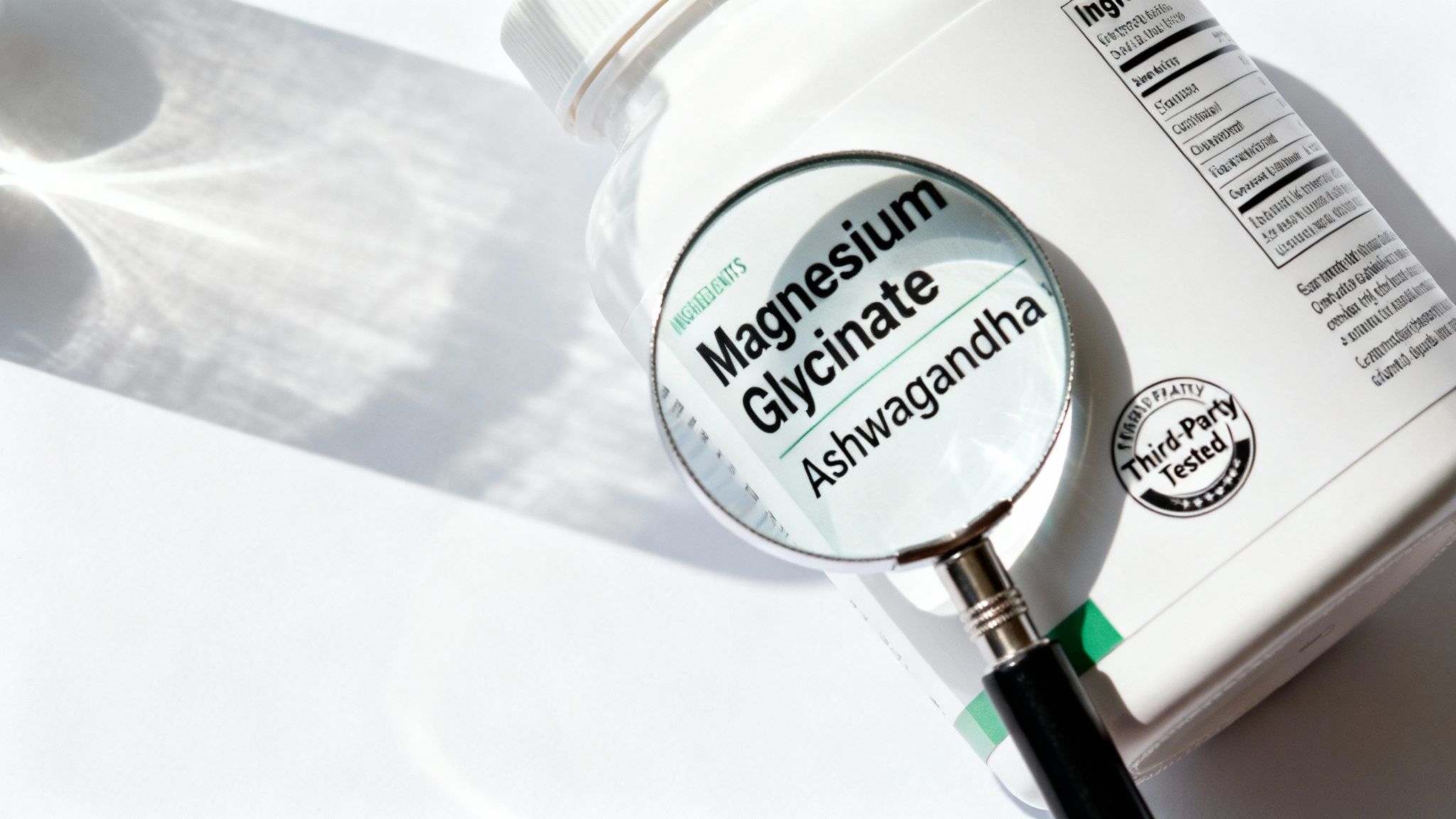
The supplement world isn't as tightly regulated as the pharmaceutical industry, which is why independent checks are so important. Third-party testing is your proof that an unbiased organisation has put the product under the microscope. They verify that what's on the label is actually in the bottle, in the right amounts, and that it’s free from nasty contaminants like heavy metals or pesticides.
Look for seals from reputable labs like NSF International or USP. This little logo is a big deal—it’s your assurance of purity and potency, giving you peace of mind that you're not wasting your money on something ineffective or, worse, unsafe.
Without that independent stamp of approval, you’re just taking the manufacturer’s word for it.
Spot the Red Flags on the Label
Knowing what not to see on a label is just as crucial. A quality formula should be clean, simple, and transparent. Keep an eye out for these red flags:
- Unnecessary Fillers and Binders: Ingredients like magnesium stearate, titanium dioxide, and artificial colours have no nutritional benefit. Sometimes, they can even get in the way of your body absorbing the active ingredients.
- Proprietary Blends: This is a classic marketing trick. A company will list a cocktail of ingredients under a fancy blend name but won't tell you how much of each ingredient is in there. This makes it impossible to know if you're getting a dose that’s actually effective.
- Artificial Additives: Your supplement should be about pure, active ingredients, not junk. Steer clear of anything with artificial sweeteners, flavours, or preservatives.
Learning to read a supplement label with a critical eye empowers you to make much smarter choices for your health. To dive deeper into how specific ingredients can work for you, check out our guide on how to balance hormones with supplements.
Lifestyle Habits for Natural Hormone Balance
While finding the right hormone-balancing supplement is a huge step forward, these powerful formulas work best when they're part of a bigger picture. Think of supplements as the supporting cast; it's your daily habits that are the real stars of the show, creating the foundation for lasting hormonal health.

True balance really clicks into place when your supplements and your lifestyle are working together. The simple, consistent choices you make every day send powerful signals to your endocrine system, helping to regulate everything from your stress response to your energy levels. Let's dig into the practical strategies that can make the biggest difference.
Master Your Stress and Sleep
Chronic stress is the arch-nemesis of hormonal harmony. It keeps cortisol, your main stress hormone, perpetually high, which can disrupt progesterone production and throw your entire system off-kilter. This is why managing stress isn't a luxury—it’s an absolute necessity.
Constant stress effectively tells your body it's in a perpetual state of emergency. Prioritising relaxation and deep rest signals safety, allowing your hormones to return to their natural, balanced rhythm.
You can start lowering cortisol with a few simple practices:
- Mindfulness and Meditation: Just five minutes a day can begin to calm your nervous system.
- Gentle Movement: Activities like yoga or a quiet walk in nature are brilliant for dialling down stress.
- Digital Detox: Setting aside time away from screens, especially before bed, helps your brain properly switch off.
Alongside stress management, good quality sleep is completely non-negotiable. During sleep, your body gets to work repairing itself and regulating crucial hormones. Aim for 7-9 hours of uninterrupted sleep a night in a cool, dark, and quiet room. Honestly, this one habit is one of the most powerful things you can do to support your body's natural balancing act.
Fuel and Move with Intention
What you eat and how you move have a direct, profound effect on your hormones. The key isn't to go to extremes, but to focus on stability and strength.
Start with what's on your plate. Balancing your blood sugar is absolutely vital, as sharp spikes and crashes in glucose can wreak havoc on your hormonal system. For those who find these shifts are showing up on their skin, learning how to treat hormonal acne naturally can be a key part of an approach that starts with your diet.
Build your meals around these three pillars:
- Protein: Essential for producing hormones in the first place.
- Healthy Fats: The crucial building blocks for your hormones.
- Fibre: Supports healthy digestion and the detoxification of oestrogen.
When it comes to movement, the goal is to work smart, not just hard. While intense workouts definitely have their place, over-exercising can ramp up cortisol and add even more stress to your body. Weaving in regular strength training is fantastic for building muscle, which in turn improves insulin sensitivity and supports a healthy metabolism. Just be sure to balance it out with restorative activities to create a fitness routine that's both sustainable and hormone-friendly.
Your Questions Answered
Starting a new supplement routine always brings up a few questions. It’s completely normal! Getting good, straight answers is the first step to feeling confident about the choices you’re making for your health. Let’s tackle some of the most common queries we hear about hormone-balancing supplements.
How Long Until I Notice a Difference?
This is where patience really pays off. While some people might feel small shifts in their mood or energy within a few weeks, it generally takes 4-12 weeks of consistent, daily use for the active ingredients to properly build up in your system and create a noticeable change.
Think of it like tending to a garden. You don't see a flower bloom overnight. It takes consistent watering and care for the roots to take hold and for the plant to eventually flourish. Getting your hormones back into a happy rhythm is a gradual process, not an instant fix.
Can I Take These with Birth Control or HRT?
This is a really important question, and the answer is always the same: you absolutely must speak to your doctor first.
Hormonal birth control and Hormone Replacement Therapy (HRT) work by adding specific hormones to your body. Certain herbs, like chasteberry or ashwagandha, have the potential to interact with these medications. They could make them less effective or change how they work in your body, which you definitely don't want.
Never add a hormone-supporting supplement to your routine without getting the all-clear from a qualified health professional, especially if you’re taking any form of hormonal medication. Your safety has to be the top priority.
What Are the Potential Side Effects?
The great thing about high-quality, well-researched supplements like magnesium and B vitamins is that they are generally very well-tolerated. Of course, every body is different. Now and then, some people might experience a bit of mild digestive upset as their system gets used to something new.
A good tip is to start with a lower dose and slowly work your way up. This can help minimise any potential discomfort. More potent herbs can have stronger effects, which is another reason why getting professional guidance is so important—it ensures you're choosing the safest and most effective option for your unique situation.
Ready to stop guessing and start supporting your body with precision? The VitzAI quiz analyses your unique goals, age, and lifestyle to create a personalised supplement stack just for you. Find your perfect formula today at VitzAI.com.
This article is for informational purposes only and is not medical advice. Always consult a qualified health professional before starting any new supplement or major lifestyle change