

Vitamins That Balance Female Hormones for Lasting Wellbeing
Certain vitamins that balance female hormones, like Vitamin D and the B vitamins, are the essential building blocks your body needs for hormone production and regulation. When you have the right nutritional toolkit, your body can better manage key players like estrogen and progesterone, leading to a noticeable improvement in mood, energy, and cycle regularity.
Your Guide to Understanding Female Hormone Imbalance

Think of your hormones as a finely tuned orchestra. When major instruments like estrogen, progesterone, and cortisol are all playing in perfect harmony, you feel fantastic—vibrant, energetic, and emotionally stable. But if just one is out of tune, the whole performance can feel jarringly off.
That sense of disharmony is what we call a hormonal imbalance. For many women, particularly under the age of 40, it often shows up as persistent fatigue, unpredictable mood swings, irregular periods, or that frustrating, stubborn weight that just won't shift. These aren't just minor inconveniences; they're your body's way of signalling that its internal communication system needs a bit of support.
Why Do Hormones Get Out of Sync?
A whole host of factors can throw this delicate balance off kilter. Modern life often comes with a side of chronic stress, which sends cortisol levels soaring and can directly interfere with our reproductive hormones.
Nutritional gaps, not getting enough quality sleep, and even exposure to environmental toxins can all play a part, making it tougher for your body to produce and regulate its hormones efficiently.
The good news? You have a surprising amount of influence over this internal orchestra. Specific vitamins and nutrients can act as the 'conductors,' gently guiding your hormones back to their natural rhythm. This is precisely where a targeted nutrition strategy becomes an incredibly powerful tool for restoring balance from within.
Think of vitamins not as a quick fix, but as essential tools that help your body perform its natural functions more efficiently. Providing the right nutrients allows your hormonal system to self-correct and find its equilibrium.
To give you a clearer picture, let's break down the key players in your hormonal orchestra.
Key Female Hormones and Their Roles
Here's a quick summary of the main female hormones, what they do, and the common signs when they are out of balance.
| Hormone | Primary Role | Signs of Imbalance |
|---|---|---|
| Estrogen | Regulates the menstrual cycle, supports bone health, mood, and cognitive function. | Irregular periods, mood swings, weight gain (especially around hips/thighs), fatigue, low libido. |
| Progesterone | Prepares the uterus for pregnancy, balances estrogen, supports sleep and calmness. | Anxiety, poor sleep, spotting between periods, short cycles, PMS, breast tenderness. |
| Cortisol | The primary "stress hormone" that manages energy, blood sugar, and inflammation. | Feeling "wired but tired," sugar cravings, brain fog, belly fat, trouble sleeping. |
| Thyroid Hormones (T3/T4) | Control metabolism, energy levels, body temperature, and heart rate. | Fatigue, weight gain or loss, hair thinning, feeling cold, anxiety, irregular heartbeat. |
Understanding these roles is the first step toward feeling more in control of your health. And if you're looking for a more holistic view of your body's health beyond just the number on the scale, learning how to assess your body composition at home can offer vital clues about potential hormone imbalances and your overall metabolic health. By focusing on these foundational pillars of wellness, you create an environment where your hormones can truly thrive.
The Sunshine Vitamin Your Hormones Crave
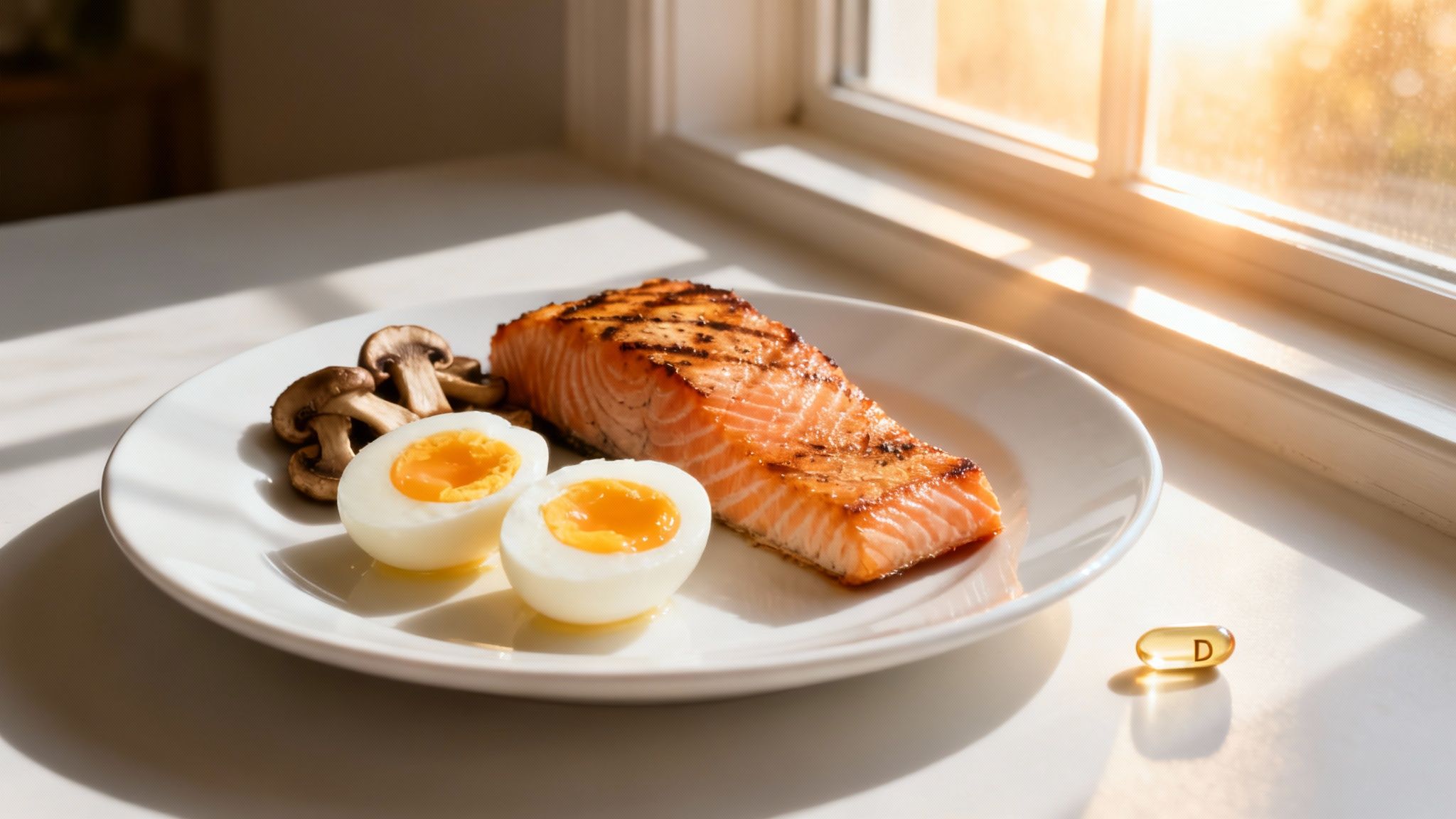
You’ve probably heard Vitamin D called the “sunshine vitamin,” but it’s much more than that. Think of it less like a standard vitamin and more like a master hormone regulator. It has a direct line to your ovaries, helping to fine-tune the production of both estrogen and progesterone.
When your Vitamin D levels are where they should be, your body can navigate the monthly hormonal tides with much more grace. This can translate to more predictable cycles, less severe PMS, and a steadier mood all month long. Honestly, it’s one of the true foundational nutrients for any woman looking for better hormonal harmony.
The UK's Vitamin D Dilemma
Here’s the catch: despite how crucial it is, Vitamin D deficiency is incredibly common in the UK, especially once the clocks go back and the days get shorter. We simply don’t get enough consistent, strong sunlight for our bodies to make what they need.
This isn't just a minor issue; it's a major roadblock for hormonal health. The National Diet and Nutrition Survey revealed that a staggering 18% of UK adults between 19-64 are deficient in vitamin D. Women are often more affected due to various lifestyle factors, and this gap is even wider among younger women.
Vitamin D is more than just a nutrient for bone health; it's a critical regulator of your entire endocrine system. Ensuring you have adequate levels is one of the most effective steps you can take to support your body's natural hormonal rhythm.
How To Boost Your Vitamin D Levels
Getting your levels up requires a bit of a strategy, particularly in a climate like ours. While sunshine and diet are the natural starting points, supplementation is often the key to truly bridging the gap and hitting the optimal levels needed for happy hormones.
Here are the three main ways to top up your tank:
- Sensible Sun Exposure: From late March to the end of September, try to get short bursts of direct sun on your skin without sunscreen. Just 10-15 minutes a day on your arms and legs can make a world of difference.
- Vitamin D-Rich Foods: Make a point to include foods that are naturally high in this nutrient. Oily fish like salmon and mackerel, red meat, and egg yolks are fantastic. Fortified foods like certain breakfast cereals and plant-based milks can also give you a boost.
- High-Quality Supplementation: Let’s be realistic—from October to March, supplementing is the most reliable way for most of us in the UK to keep our levels steady. It guarantees you’re getting a consistent, effective dose, no matter how gloomy it is outside.
If you are thinking about supplements, it’s worth knowing how certain vitamins work as a team. For instance, Vitamin D is often paired with Vitamin K2 to make sure calcium goes where it's needed (like your bones) and not where it isn't. You can learn more about this powerful duo in our detailed guide on the benefits of Vitamin D3 and K2. By pulling these three levers, you’re giving your body one of the most important vitamins that balance female hormones.
Magnesium: Your Go-To Mineral for Hormones and Stress
If you're a woman navigating a busy, high-stress life, think of magnesium as your secret weapon. It’s like the calming brake pedal for your entire nervous system, helping you shift down a gear when life feels like it’s stuck in fifth.
Magnesium’s power comes from a brilliant two-pronged approach that gets right to the heart of hormonal health.
First, it steps in to regulate your primary stress hormone, cortisol. When you're constantly on the go, cortisol levels can stay high, locking your body in a perpetual state of "fight or flight." This chronic stress is notorious for disrupting your other hormones, especially estrogen and progesterone, which can kick off a whole cascade of imbalances.
Second, magnesium supports the healthy metabolism of estrogen in the liver. It ensures any excess estrogen is processed and cleared out efficiently, helping to maintain that delicate hormonal symphony. This is exactly why it’s one of the most effective supplements for tackling things like PMS and painful menstrual cramps.
Why Are So Many of Us Lacking in Magnesium?
It’s surprisingly common—and often overlooked—for women in the UK to have low magnesium levels. National data suggests a shortfall in 20-30% of UK women aged 19-64, a deficiency that’s been linked to hormonal issues like PCOS, which affects 10% of women of reproductive age.
The impact is real. Research from the University of Surrey found that taking 300mg of magnesium daily slashed PMS severity by an incredible 40% and boosted sleep quality by 28%. That’s a huge difference from one simple mineral.
This deficit often shows up as symptoms many of us just accept as "normal":
- That constant feeling of anxiety or being on edge.
- Trouble falling asleep or waking up through the night.
- Painful period cramps and general muscle tension.
- Headaches and migraines, especially those that pop up around your cycle.
How to Boost Your Magnesium Levels
You can start by loading up your plate. Focus on incorporating magnesium-rich foods into your daily meals. Dark leafy greens like spinach, nuts and seeds (almonds and pumpkin seeds are fantastic), avocados, and even a little dark chocolate are all excellent sources.
But here’s the catch: due to modern farming practices and the fact that high-stress lifestyles burn through our magnesium stores faster, food alone sometimes isn't enough. This is where a high-quality supplement can be a game-changer.
To get the most out of a supplement, look for highly absorbable forms like magnesium glycinate or citrate, which are much gentler on the stomach. When you take it can also make a big difference, which we dive into in our guide on the best time to take magnesium.
By promoting deep relaxation and supporting better sleep, magnesium doesn't just calm your mind; it creates the ideal physiological environment for your hormones to find their natural equilibrium.
How B Vitamins Power Your Hormonal Health
If you think of your body as a finely tuned orchestra, the B-vitamin family is the tireless crew working behind the scenes.This group, especially vitamins B6, B12, and Folate (B9), are absolute powerhouses for keeping your entire system running smoothly, with a direct line to your mood, energy levels, and menstrual cycle.
Their main stage is the liver. Your liver acts like a sophisticated sorting office for hormones, processing and clearing them out once they’ve done their job. When this process is humming along nicely, it stops a build-up of excess estrogen—a common culprit behind hormonal chaos.
The Specific Roles of B Vitamins
Each member of the B-vitamin family has a unique, vital role to play. Vitamin B6, for instance, is brilliant at encouraging progesterone production. Healthy progesterone levels are essential for balancing out estrogen and can make a real difference to common premenstrual syndrome (PMS) symptoms like mood swings and bloating.
Meanwhile, Vitamin B12 and Folate are the ultimate duo for energy and mood. They are crucial for making red blood cells and supporting neurotransmitter function, which helps you feel vibrant and emotionally steady—two things that often take a hit when hormones are all over the place.
The infographic below shows how another key mineral, magnesium, works in tandem with B vitamins to manage stress and hormone pathways.
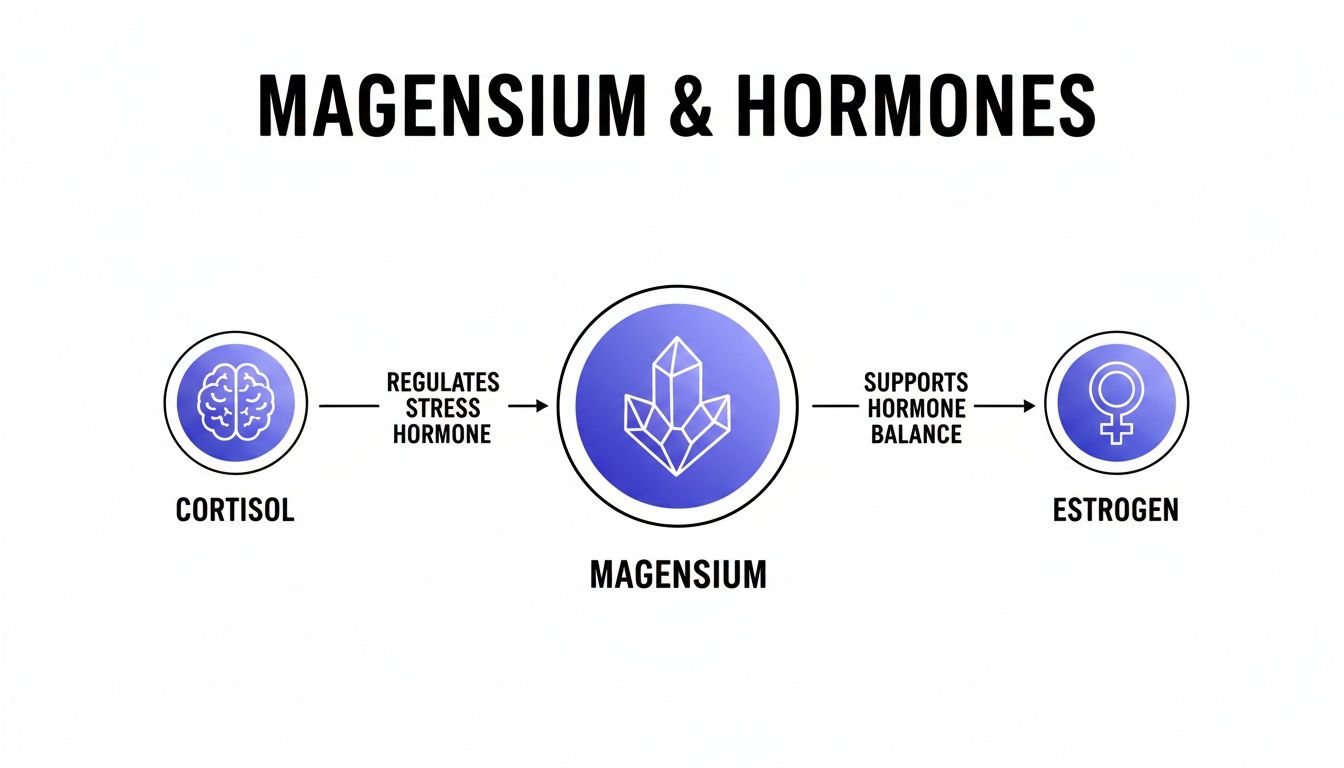
This really highlights how interconnected our nutrients are. Minerals like magnesium help manage cortisol (the stress hormone) and estrogen, reinforcing the calming, balancing work of the B vitamins. It’s all one big team effort.
Why Methylated Forms Matter Most
Now, here’s a crucial detail that often gets missed: not all B vitamins are created equal. For your body to actually use them, they first have to be converted into their active, or "methylated," forms. For a huge chunk of the population, this conversion process just isn't very efficient due to their genetics.
Choosing supplements with pre-methylated forms—like methylcobalamin (B12) and methylfolate (Folate)—is like giving your body a head start. It guarantees your cells can absorb and use these nutrients straight away, no extra steps required. This is one of the most important things to look for when seeking out vitamins that balance female hormones effectively.
By supporting everything from liver detoxification to energy production and stress management, a high-quality B-complex is a non-negotiable for maintaining a healthy, predictable cycle.
For a deeper dive into how this team of vitamins works together, explore our guide on the benefits of B-complex vitamins. It breaks down how these nutrients act as a team to support your nervous system and give your body the resources it needs to thrive.
Omega-3s and Other Essential Supporting Nutrients
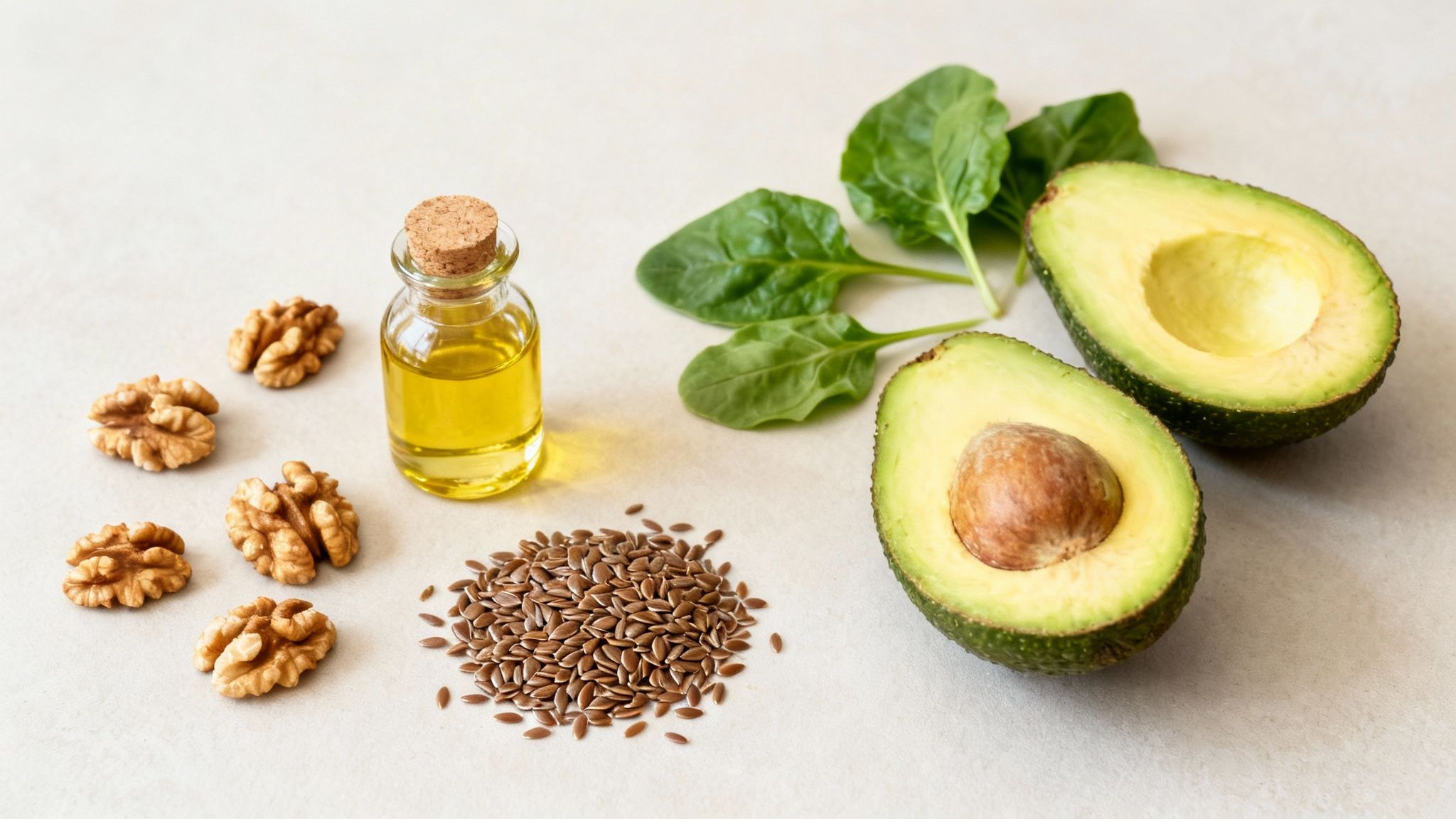
While specific vitamins are non-negotiable, a truly balanced hormonal state relies on a wider team of supporting nutrients. Right at the top of this list are omega-3 fatty acids, which are incredibly powerful anti-inflammatories. Since chronic inflammation is a common driver of hormonal chaos, getting enough omega-3s is a foundational step.
Think of it this way: your hormones are like messengers, and they need clear pathways to deliver their signals. Omega-3s help build healthy, fluid cell membranes, which are the "docking stations" for these hormonal messages. When your cells can communicate properly, your entire endocrine system just works better.
Zinc and Gut Health: The Unsung Heroes
Beyond healthy fats, certain minerals play a vital role. Zinc, in particular, is hugely important for ovulation and thyroid function – two absolute cornerstones of female hormonal health. A deficiency can really interfere with your cycle regularity and energy levels, which shows just how crucial it is in the broader picture.
And we can't ignore the gut. Your gut microbiome plays a massive part in metabolising hormones, especially estrogen. An unhealthy gut can lead to estrogen being reabsorbed back into the bloodstream instead of being shown the door, contributing to symptoms of estrogen dominance. This is exactly why a healthy diet rich in fibre is so important for keeping things in check.
A holistic approach is always more effective than zeroing in on a single supplement. It’s about creating a synergistic effect where every nutrient supports the others, building a strong foundation for hormonal wellbeing.
Creating a Synergistic Effect
The real magic happens when these nutrients work together. For instance, magnesium helps to calm the stress response, while omega-3s reduce the inflammation that stress can cause. This kind of teamwork is what you need for achieving lasting balance.
Here’s a quick rundown of how these key players support one another:
- Omega-3s: Build healthy cell membranes, allowing hormones to communicate effectively. They also reduce inflammation, which can disrupt hormonal signalling.
- Zinc: Supports healthy ovulation and is crucial for the proper functioning of your thyroid, which acts as your body’s metabolic thermostat.
- A Healthy Gut: Ensures that excess hormones, particularly estrogen, are properly detoxified and eliminated from the body.
By ensuring your body has a steady supply of these supporting nutrients, you're not just taking vitamins that balance female hormones—you're creating an entire internal environment where they can truly thrive.
How to Create Your Personalised Hormone Balance Plan
Right, let’s put all this knowledge into practice. Understanding which nutrients can support you is the first big step, but creating a consistent daily routine is where you’ll start to see and feel real, lasting change. This isn't about flipping your life upside down overnight, but making small, smart adjustments you can actually stick with.
The easiest place to start is with your plate. Try to prioritise whole foods that are naturally rich in the vitamins and minerals we've talked about. Think about adding more leafy greens, oily fish, nuts, and seeds to your weekly shop—these are packed with the foundational nutrients your body is crying out for.
Next, take an honest look at your lifestyle to see where you might have some nutritional gaps. Are you constantly stressed? Not sleeping well? Spending most of your time indoors? These things really ramp up your body's demand for certain nutrients, which is where smart supplementation becomes a practical and effective strategy.
Building Your Foundational Stack
Think of your supplements as a support system for your diet, not a replacement for it. Taking a targeted approach means you’re getting optimal levels of the most impactful nutrients without the guesswork. This is the key to finding the right vitamins that balance female hormones for your unique body.
Here’s a simple yet powerful place to begin:
- A high-quality multivitamin: This is your nutritional safety net, covering your baseline needs and ensuring you get a broad spectrum of essentials like the entire B-vitamin family.
- Vitamin D3: This is non-negotiable, especially in the UK from October to April. It's absolutely crucial for mood, immunity, and hormonal regulation.
- Magnesium: Taking this in the evening can be a game-changer for sleep quality and calming your stress response, which has a direct effect on your cortisol levels.
- Omega-3s: A daily dose is fantastic for managing inflammation, a really common underlying cause of hormonal chaos.
Your hormonal needs aren't set in stone. They shift with your age, stress levels, diet, and even your fitness routine. A personalised plan gives you the flexibility to adapt your nutritional support to what your body needs right now, leading to much better results.
Remember, consistency will always beat perfection. Start by bringing in one or two key changes and build from there. When you combine a nutrient-dense diet with targeted supplementation, you’re creating a powerful, personalised strategy to bring your body back into balance and feel your best.
Your Questions, Answered
Stepping into the world of vitamins for hormone balance can feel a bit overwhelming, and it's natural to have questions. Let's clear up some of the most common ones we get asked, so you can feel confident on your journey.
How Long Before I Notice a Difference?
This is probably the number one question, and the honest answer is: it’s a marathon, not a sprint. While some women feel subtle shifts in their energy and mood within a few weeks, you really want to give it two to three full menstrual cycles to see meaningful, lasting changes.
Think of it this way: you’re gently guiding your body back to its natural rhythm, not shocking it into submission. Consistency is your best friend here. Sticking with it gives your body the steady support it needs to recalibrate and find its new, happier equilibrium.
Can't I Just Get All This From My Diet?
A vibrant, whole-foods diet is the absolute bedrock of hormonal health, and we’ll always say to start there first. But even with the best intentions, our modern lives can create nutritional gaps that are tough to fill with food alone.
Things like chronic stress, soil that’s less nutrient-rich than it used to be, and just the demands of a busy life can really ramp up your body's need for certain nutrients. This is where smart, targeted supplementation comes in. It’s an incredibly effective way to bridge the gap, particularly for heavy hitters like Vitamin D and Magnesium.
Think of supplements not as a replacement for a healthy diet, but as its biggest supporter. They deliver a reliable, concentrated dose of the key nutrients your body is crying out for to handle stress, produce energy, and keep your hormones in harmony.
Is It Okay to Take All These Vitamins Together?
Yes, absolutely. The core nutrients we’ve talked about—Vitamin D, B vitamins, Magnesium, and Omega-3s—are generally very safe to take together. In fact, they often work much better as a team.
It’s a concept called synergy, where each nutrient enhances the actions of the others, creating a result that’s greater than the sum of its parts. Many of the best women's health formulas are actually designed with this in mind, combining key players for maximum effect. Just be sure to stick to the recommended amounts on the label.
Ready to stop guessing and start feeling your best? VitzAI takes a smart, personalised approach to pinpoint the exact supplement stack for your unique body and goals. Find your perfect plan and start your journey to better balance today.
This article is for informational purposes only and is not medical advice. Always consult a qualified health professional before starting any new supplement or major lifestyle change.