

A Complete UK Guide to the Best Vitamins for Hair, Skin, and Nails
When you're aiming for that healthy glow for your hair, skin, and nails, three nutrients consistently stand out: Biotin (B7), Vitamin C, and Zinc. These are the true power players, working behind the scenes to produce essential proteins like keratin and collagen. Think of them as the foundational trio for any beauty-focused routine.
Unpacking the Essentials for Hair, Skin, and Nails
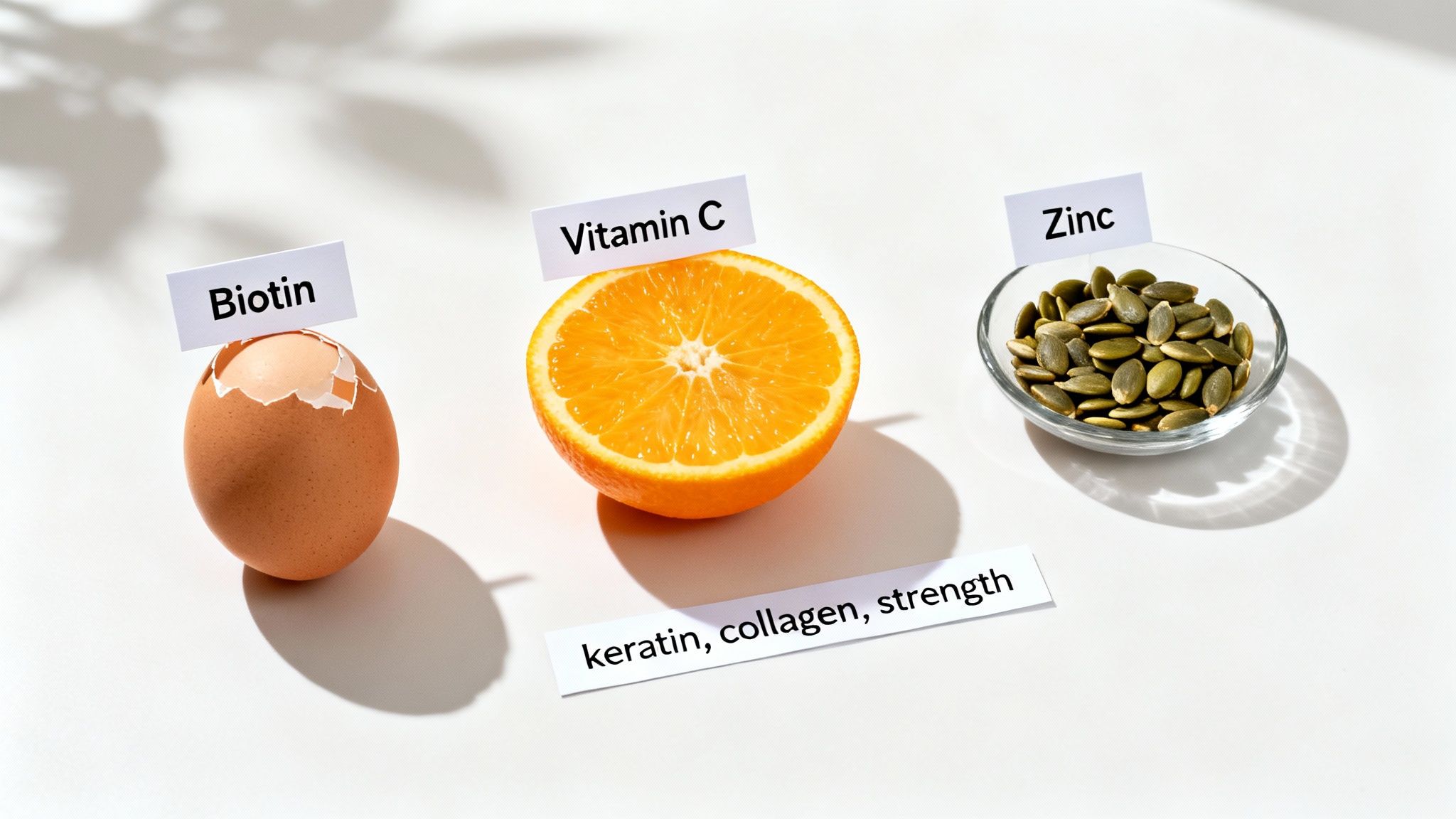
Imagine your hair, skin, and nails are intricate buildings under constant construction. The vitamins and minerals from your diet are the raw materials—the bricks, mortar, and steel—your body needs to build and repair them. If you run short on these crucial supplies, the whole structure can start to look a bit weak, brittle, or dull.
This guide is designed to cut through the marketing fluff and get straight to the nutrients that actually move the needle. We’ll explore how specific vitamins and minerals act as the non-negotiable building blocks for strength and radiance, helping you understand precisely what your body is crying out for.
The Role of Multivitamins in Beauty
It's no surprise that so many of us turn to supplements to fill in the nutritional gaps, especially when it comes to beauty. In the UK, the dietary supplements market is a big deal, valued at an estimated £4.01 billion (USD 4.79 billion). Vitamin supplements alone make up the largest slice of that pie, at 37.4% of the total revenue.
For many, a well-rounded multivitamin that includes biotin, zinc, and vitamins A, C, and E is the go-to for improving skin hydration, tackling hair thinning, and strengthening nails. You can read more about these UK market trends on GrandViewResearch.com.
At its core, vibrant hair, skin, and nails are simply a reflection of your internal health. Consistently giving your body the key nutrients it needs is the most reliable strategy for achieving results you can actually see and feel.
To make things clearer, the table below gives a quick snapshot of the most impactful nutrients we're talking about, what they do, and the specific benefits they bring to the table.
Top Vitamins and Minerals for Hair, Skin, and Nails at a Glance
| Nutrient | Primary Role | Benefit for Hair | Benefit for Skin | Benefit for Nails |
|---|---|---|---|---|
| Biotin (B7) | Keratin Production | Supports strength and may reduce shedding. | Maintains healthy skin structure. | Strengthens brittle nails. |
| Vitamin C | Collagen Synthesis | Fights free radical damage to follicles. | Promotes firmness and elasticity. | Supports nail bed health. |
| Zinc | Cell Growth & Repair | Crucial for hair tissue growth and repair. | Aids in wound healing and reduces inflammation. | Prevents white spots and brittleness. |
This little cheat sheet covers the absolute must-haves. Each one plays a unique and vital role, and when they work together, the results can be fantastic.
How Nutrients Actually Build Your Hair, Skin, and Nails
Before we jump into a list of the best vitamins for your hair, skin, and nails, it’s worth taking a moment to understand the ‘why’ behind it all. Think of your body as a high-tech construction site. Your hair, skin, and nails are the stunning finished products, but they can only be built with the right raw materials.
Vitamins and minerals are those essential materials. Without a steady supply of structural ‘bricks’ like zinc and the powerful ‘mortar’ of vitamin C, the final result can look weak, brittle, or dull. Once you grasp these fundamental processes, you’ll see supplements not just as pills, but as crucial support for your body’s incredible, natural ability to build and repair itself.
The Science of Collagen and Keratin
When it comes to beauty from within, two proteins are the undisputed superstars: collagen and keratin.
-
Collagen: This is the main structural protein in your skin. It acts like scaffolding, providing the firmness and elasticity that keeps skin looking plump and youthful. As we get older, our natural collagen production slows down, which is why skin can lose its bounce over time.
-
Keratin: This is a tough, fibrous protein that forms the very structure of your hair and nails. Strong keratin means resilient hair that resists breakage and nails that don’t easily split or peel.
But here’s the thing: these proteins aren’t just created out of thin air. Your body needs a specific toolkit of nutrients to actually synthesise them. A shortfall in even one key vitamin can slow down the entire production line.
Imagine trying to bake a cake without flour or eggs. You might have all the other ingredients, but the final product just won't come together properly. It’s exactly the same for your body—without the core nutrients, collagen and keratin production falters.
Fueling the Growth Cycle
Your hair, skin, and nails are in a constant state of renewal. Skin cells turn over roughly every 28 days, while hair follicles cycle through phases of growth, transition, and rest. This nonstop activity demands a huge amount of energy and nutrients.
The B-vitamins, for example, are absolute workhorses for energy metabolism. They help convert the food you eat into the cellular fuel needed to power these growth cycles. Without enough of them, processes like hair follicle regeneration can become sluggish, potentially leading to increased shedding or slower growth. You can discover more about their full range of benefits in our detailed guide on what the Vitamin B complex is good for.
Protection Against Daily Stressors
It’s not just about building; your body also has to protect these delicate structures from damage. Oxidative stress—caused by everything from UV radiation and pollution to internal stress—creates unstable molecules called free radicals that can break down collagen and damage cells.
This is where antioxidants come into play. Nutrients like Vitamin C and E act as your internal defence squad, neutralising these free radicals before they can wreak havoc. Other compounds, like those found in certain functional mushrooms, provide similar protective effects. If you're curious about specific natural compounds, you can explore the extensive Reishi mushroom benefits for skin's natural glow. By providing this protective shield, you help maintain the integrity and appearance of your hair, skin, and nails for the long term.
Your Essential Toolkit Of Beauty Vitamins And Minerals
Right, we've had a look at the biological construction site, so it's time to meet the crew. This is the core of our guide, where we’ll break down the most powerful vitamins and minerals that act as your essential toolkit for building strong hair, resilient nails, and glowing skin.
Each nutrient has a very specific job to do. Once you know what that is, you're empowered to choose the right support for your unique goals.
This map shows how these key nutrients are the fundamental building blocks for hair, skin, and nail health, all stemming from your body's core systems.
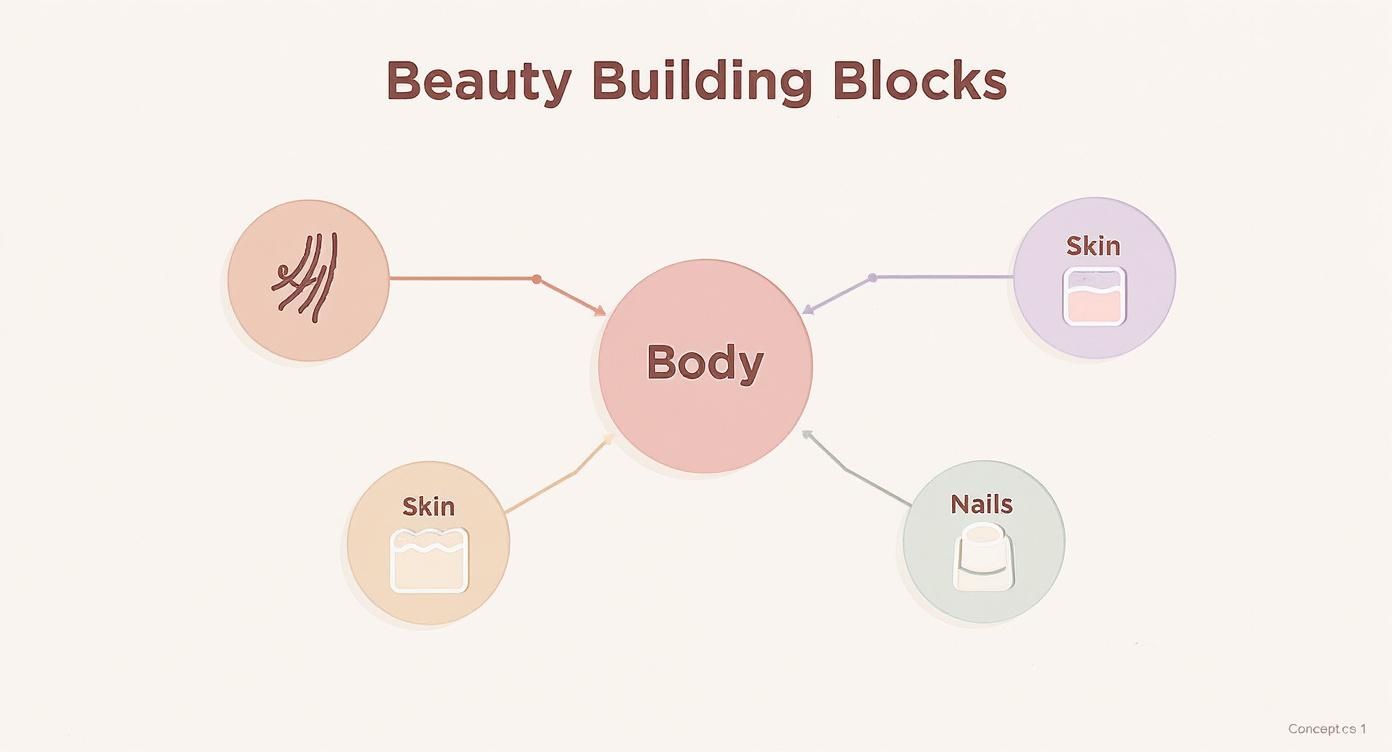
The key takeaway here is that you can't treat hair, skin, and nails as separate entities. They are all interconnected and rely on the same pool of nutrients to really thrive.
Biotin (Vitamin B7): The Keratin Producer
Biotin is probably the most famous of all the "beauty vitamins," and for good reason. Its main job is to help produce keratin—that tough, fibrous protein that forms the main structure of your hair and nails. Think of Biotin as the factory manager for keratin production. Without it, the whole assembly line slows right down.
While a true deficiency is rare, it can lead to noticeable hair thinning and brittle nails. Most of us get enough from foods like eggs, nuts, and whole grains, but a targeted supplement can help ensure your levels are optimal for supporting strong growth. For a deeper look at what works, check out these best supplements for hair growth and see how they can fill any nutritional gaps.
Vitamin C: The Collagen Architect
If keratin is the brick, then collagen is the mortar holding everything together, especially in your skin. Vitamin C is absolutely essential for synthesising collagen, the protein that gives skin its firmness and bounce. It acts as a crucial co-factor in the chemical reactions that build strong collagen fibres.
But Vitamin C is more than just a builder; it's also a potent antioxidant. It helps shield your skin cells from the damage caused by UV rays and pollution, both of which degrade collagen and speed up the ageing process. We explore more about how this antioxidant powerhouse delivers radiance in our article on the best vitamins for glowing skin.
Zinc: The Master Repairer
Zinc is a true multitasker, involved in hundreds of reactions in the body, including cell growth and repair. This is absolutely critical for hair, skin, and nails. Zinc plays a vital role in hair tissue growth and repair and helps keep the oil glands around the follicles working as they should.
Its anti-inflammatory properties also make it a key player in skin health, helping to manage conditions like acne and support wound healing. When it comes to nails, a common sign of zinc deficiency is the appearance of little white spots, which shows just how important it is for steady, healthy nail formation.
Zinc is like the on-site foreman for your body's repair crew. It directs cellular repair and regeneration, making sure hair follicles, skin cells, and nail beds have what they need to rebuild themselves properly and efficiently.
Iron: The Oxygen Transporter
For hair follicles to be healthy, they need a rich supply of oxygen, and that’s where iron steps in. Iron is a core component of haemoglobin, the protein in your red blood cells that carries oxygen from your lungs to the rest of your body—including your scalp.
When iron levels are low (a condition known as anaemia), oxygen delivery is compromised. This can essentially starve hair follicles of the oxygen they need to grow, leading to a type of hair shedding called telogen effluvium. This is particularly common in women of menstruating age, making iron one of the most important minerals for hair health in this group.
Vitamin E: The Protective Shield
Think of Vitamin E as your skin’s personal bodyguard. It's a powerful, fat-soluble antioxidant whose main role is to protect cell membranes from oxidative damage caused by free radicals—those unstable molecules generated by sun exposure and environmental pollutants. By neutralising these threats, Vitamin E helps prevent premature ageing and supports overall skin health.
This protective shield extends to your scalp, too. A healthy, non-inflamed scalp is the foundation for strong hair growth, and some studies suggest that Vitamin E’s antioxidant properties can help reduce oxidative stress in the scalp, creating a better environment for hair to flourish.
The B Vitamins: The Energy Crew
It’s not just about Biotin. The entire family of B vitamins plays a role in beauty from within. Vitamins like B6 and B12 are essential for creating red blood cells which, as we've learned, are vital for getting oxygen and nutrients to the scalp and skin.
Folate (Vitamin B9) is another key player, promoting healthy cell growth. This is exactly what’s happening in your fast-growing hair follicles and nail beds. A deficiency in B vitamins can sometimes show up as skin rashes or brittle hair, highlighting just how important they are.
Vitamin D: The Cellular Regulator
Often called the "sunshine vitamin," Vitamin D is crucial for skin health and rejuvenation. It contributes to skin cell growth, repair, and metabolism, and it also helps fortify the skin's immune system. While its direct role in existing hair is still being explored, we know Vitamin D helps create new hair follicles—the tiny pores where new hair can grow.
In the UK, Vitamin D deficiency is a real concern. Nearly 49.5% of UK adults have below-optimal levels, with young adults aged 18-29 showing the highest deficiency rate at 56%. This has naturally driven demand for supplements that support skin health and cell growth, which in turn benefits hair and nail strength.
Omega-3 Fatty Acids: The Moisture Barrier
While not technically a vitamin or mineral, these essential fats are critical. Your body can't produce omega-3s on its own, yet they are vital for maintaining a healthy skin barrier that locks in moisture and keeps out irritants. By regulating oil production, omega-3s can improve hydration, reduce breakouts, and soothe dry or irritated skin.
These healthy fats also nourish hair follicles, which can help promote strength and lustre. Their anti-inflammatory properties can calm scalp irritation, creating a healthier environment for hair growth. You can get omega-3s from oily fish like salmon, or from plant-based sources like flaxseeds and walnuts.
Unlocking Better Results with Nutrient Synergy
Taking individual vitamins is a solid first step, but the real magic happens when you get to grips with nutrient synergy. Think of it like a football team; individual players have their skills, but they achieve far more when they work together. Certain vitamins and minerals, when paired correctly, can seriously amplify each other’s effects. The result? Better absorption and more noticeable improvements for your hair, skin, and nails.
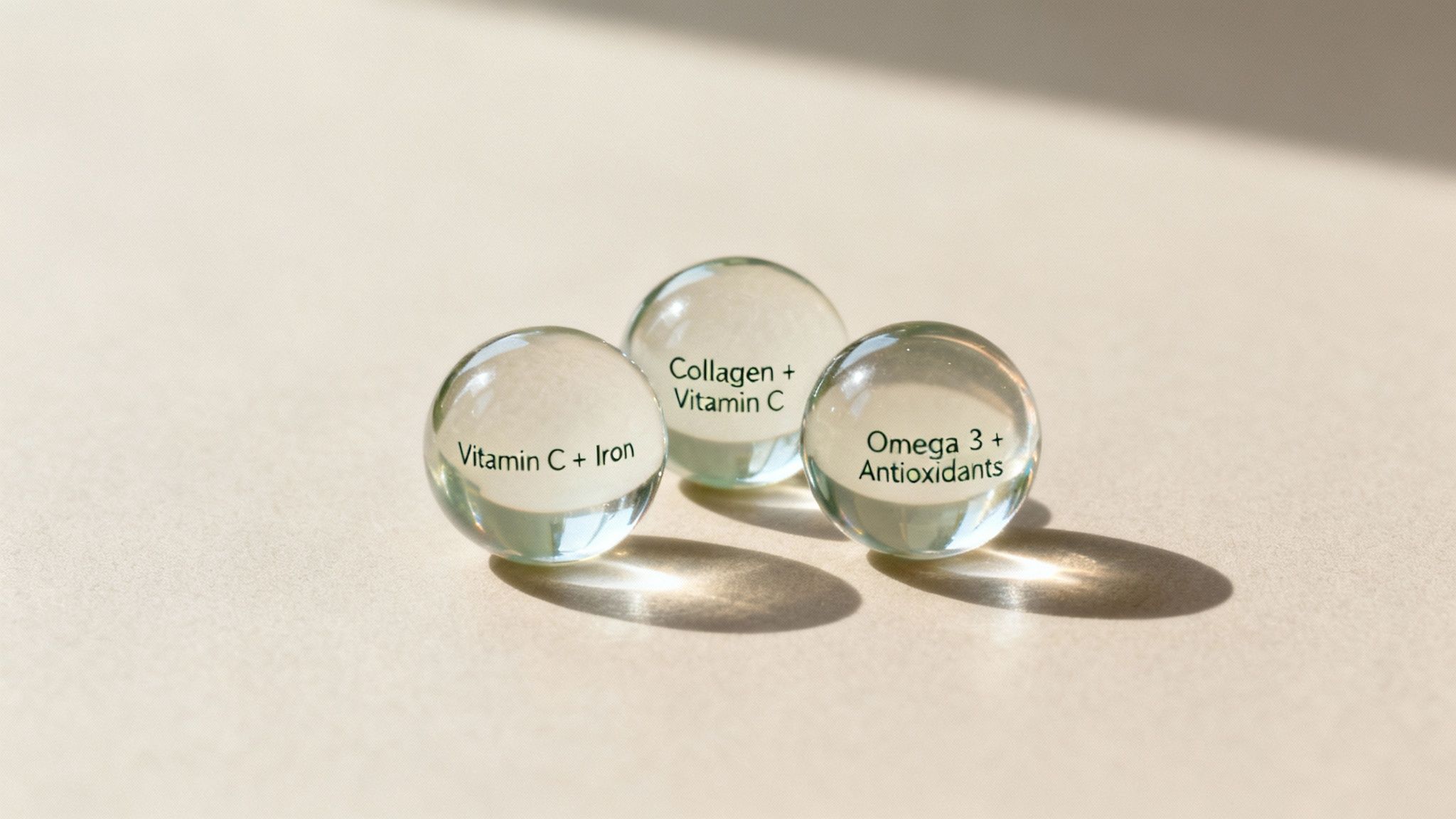
This is about moving beyond just popping a single nutrient. It’s about building a smart, personalised ‘stack’ that targets your specific beauty concerns much more effectively. You’re essentially creating a powerful internal ecosystem where every component helps the others perform at their best.
Classic Pairings for Maximum Impact
Some nutrient combinations are so effective they’ve become foundational in nutritional science. Getting these pairings right is the first step toward building a smarter supplement routine. Two of the most powerful duos for beauty are:
-
Vitamin C and Iron: Vitamin C is an absolute game-changer for iron absorption, especially the non-heme iron you find in plant-based foods. It converts this iron into a form your body can actually use, which is vital for preventing the kind of hair shedding linked to low iron levels.
-
Vitamin C and Collagen: Your body literally needs Vitamin C to synthesise collagen. Taking a collagen supplement without enough Vitamin C is like giving builders bricks but no mortar—the structure just won't hold together as well.
These combinations make sure the nutrients you take are actually put to work where you need them most. It's clear people are catching on, too. The UK vitamin supplements market was valued at around £1.54 billion (USD 1.86 billion) in one year and is set to grow at a rate of 4.35% annually over the next decade. This boom is being driven by demand for vitamins like C, E, and biotin that support collagen and keratin production.
Beyond the Basics: Advanced Nutrient Stacks
Once you’ve mastered the classic pairs, you can start bringing in other compounds that offer unique benefits for your hair, skin, and nails. This is where you can really start to personalise your approach based on your own lifestyle and goals.
For instance, getting the balance of minerals right is key, and some pairings need careful thought. For a deeper dive on this, check out our guide on whether you can take magnesium and zinc together to understand how to balance these crucial minerals.
Creating a nutrient stack isn’t about taking more supplements; it's about choosing smarter combinations. It’s a strategic approach that turns individual nutrients into a highly effective, synergistic team for your body.
Here are a few advanced additions to think about for your beauty stack:
- Omega-3 Fatty Acids: These are fantastic for hydrating your skin from the inside out by reinforcing its natural moisture barrier. Pair them with antioxidants like Vitamin E, and you'll help protect that barrier from daily environmental damage.
- Ashwagandha: If stress is the culprit behind hair thinning, this adaptogen can be a powerful ally. Ashwagandha helps your body manage cortisol (the stress hormone), creating a much better internal environment for healthy hair growth.
- Mushroom Blends: Functional mushrooms like Reishi and Chaga are absolutely packed with antioxidants. Adding them to your routine can help shield your skin from the oxidative stress caused by pollution and UV exposure, helping to preserve its youthful appearance.
How to Choose the Right Supplement for Your Goals
Walking down the supplement aisle can be overwhelming, can't it? Row after row of bottles, all promising stronger hair, glowing skin, and tougher nails. So, how do you cut through the noise and find something that genuinely works for you?
The secret isn't some miracle pill. It's about learning to spot the good stuff from the marketing fluff. Forget the flashy promises for a moment. We're going to break down exactly what to look for, from the form of the nutrients inside to the purity of the product itself. This is about making smart choices so you're investing in supplements that actually support your goals.
Reading the Label Like an Expert
Think of the supplement label as your quality roadmap. At first glance, it might seem a bit technical, but a few key details will tell you everything you need to know.
A top-quality label won't just say "magnesium"—it will specify the form, like "magnesium glycinate," which is much easier for your body to absorb than the cheaper "magnesium oxide." This concept is called bioavailability, and it's a big deal. It’s the difference between a nutrient passing straight through you versus your body actually putting it to good use.
While you're there, take a quick scan of the "other ingredients" list. Keep an eye out for products packed with unnecessary fillers, artificial colours, or loads of sugar, which is a common issue with gummies. You want more of the good stuff and less of the junk.
The Importance of Purity and Testing
Here in the UK, the supplement industry is regulated, but the quality can still be worlds apart from one brand to the next. That’s where third-party testing comes in. Think of it as an independent audit that verifies a product has what it says it has—and nothing it shouldn't.
Choosing a supplement isn't just about the active ingredients; it's about trusting what's in the bottle. Third-party testing acts as an independent stamp of approval, giving you confidence that you are consuming a pure, safe, and accurately dosed product.
Look for seals from reputable organisations on the packaging or the brand's website. This simple check gives you peace of mind that you're getting a product that’s safe and effective, not just one with great marketing.
Finding the Right Format for Your Lifestyle
Supplements come in all shapes and sizes, and the best one for you often boils down to what fits your daily routine. Each format has its pros and cons, so it’s all about finding your perfect match.
Comparing Supplement Forms: Capsules vs Powders vs Gummies
Let's break down the most common options to help you figure out what works for your lifestyle and preferences.
| Feature | Capsules/Tablets | Powders | Gummies |
|---|---|---|---|
| Dosage Control | Excellent. Precise, pre-measured doses. | Good. Flexible dosing, but requires measuring. | Poor. Fixed, often lower doses per serving. |
| Additives | Minimal. Can be made without fillers or flavours. | Variable. May contain flavourings or sweeteners. | High. Often contain sugar, gelatin, and colours. |
| Convenience | Very high. Easy to swallow and take on the go. | Moderate. Needs to be mixed with liquid. | High. Easy and enjoyable to take. |
| Absorption Speed | Good. Breaks down relatively quickly. | Excellent. Absorbed quickly once dissolved. | Good. Chewing starts the digestive process. |
So, what's the verdict? If you're someone who values precise dosing and wants to avoid unnecessary additives, capsules are probably your best bet. If you can't stand swallowing pills or love adding a boost to your morning smoothie, powders offer fantastic flexibility. And while gummies are undeniably a more enjoyable way to take your vitamins, it's really important to check that sugar content and make sure you're getting a meaningful dose of the nutrients you need for your hair, skin, and nails.
Common Questions About Hair, Skin, and Nail Vitamins
Diving into the world of supplements can feel a bit overwhelming, and it’s totally normal to have questions. As you start figuring out the best vitamins for your hair, skin, and nails, you're probably wondering about results, side effects, and what you can realistically expect.
We’ve pulled together some of the most common questions we get asked to give you clear, straightforward answers. The goal is to give you the practical insights you need to feel confident in your choices.
How Long Until I See Results from These Vitamins?
When it comes to supplements, patience and consistency are your two best friends. Unlike a quick cosmetic fix, nutritional changes get to work from the inside out, supporting your body's natural growth cycles.
Because hair and nails grow pretty slowly, it usually takes about two to three months of daily use to see real, noticeable changes. This might be less hair shedding in your brush, or nails that feel stronger and don't split as easily. Skin cells turn over much faster, so you could start seeing improvements in hydration and overall glow in as little as four to six weeks.
Just remember, your personal timeline will always depend on your starting point. If you’re dealing with a significant nutrient deficiency, you might notice positive changes a lot quicker as your levels climb back into a healthy range.
Can I Get All These Nutrients from My Diet Alone?
A balanced, whole-food diet is the absolute best foundation for your health—no question about it. It gives you a whole spectrum of vitamins, minerals, and fibre that supplements just can’t replicate. That said, hitting the optimal level of every single key nutrient, every single day, can be a real challenge.
Modern life throws a few curveballs:
- Nutrient Depletion: Modern farming can sometimes strip minerals from the soil, which means the food on our plates may not be as nutrient-dense as it once was.
- Dietary Restrictions: If you’re vegan or vegetarian, getting enough of certain nutrients like iron, vitamin B12, and zinc can be tricky without very careful planning.
- Lifestyle Factors: High levels of chronic stress can burn through your stores of key nutrients like magnesium and B vitamins much more quickly.
- Geographical Challenges: Here in the UK, getting enough Vitamin D from sunlight and food is notoriously difficult, especially during the darker autumn and winter months.
Think of supplements not as a replacement for a healthy diet, but as a really effective way to bridge those specific, identified nutritional gaps.
Are There Any Side Effects I Should Know About?
For most people, the vitamins and minerals we've talked about are generally very safe when taken at the recommended daily dose. The golden rule is to always follow the dosage instructions on the product label.
It’s important to remember that 'more' isn't always better. Taking massive doses of certain fat-soluble vitamins, particularly Vitamin A and Vitamin E, can cause them to build up in your body over time, which could potentially lead to toxicity.
Always stick to the recommended amounts unless a healthcare professional has told you otherwise. This is especially important if you have a pre-existing medical condition, are pregnant, or are taking other medications, as interactions can sometimes occur.
If I Could Only Take One Vitamin For Hair, What Should It Be?
This is a great question, but focusing on a single nutrient is rarely the most effective strategy. Think of it like a football team—you need a full squad of players working together, not just one superstar striker.
Having said that, if we had to pick an MVP for hair, it would have to be Biotin (Vitamin B7). Its fame is well-deserved; it’s absolutely essential for producing keratin, the very protein that makes up over 90% of your hair's structure.
But for truly strong, healthy hair growth, Biotin needs its teammates. It works best as part of a comprehensive blend that also includes iron to help deliver oxygen, zinc for tissue repair, and vitamin C to protect follicles from damage.
This article is for informational purposes only and is not medical advice. Always consult a qualified health professional before starting any new supplement or major lifestyle change.