

A Practical Guide to Immune Support Supplements
Let’s get one thing straight: you can't 'boost' your immune system like it’s a software update. That’s one of the biggest myths out there. Instead, think of immune support supplements as tools designed to give your body the essential resources it needs to maintain a balanced, resilient defence system. The goal isn't to force your body into overdrive, but to fill any nutritional gaps so it can perform at its best.
This clear, human style makes it easier to understand how supplements fit into a broader health plan that includes good sleep, stress management, and a balanced diet.
So, How Do Immune Support Supplements Actually Work?
Picture your immune system as a complex, hard-working team. Like any high-performing team, it needs the right equipment, consistent training, and proper rest to function effectively. Immune support supplements are the crucial supplies that keep this team well-stocked and ready for action. They don’t create some kind of superhuman defence, but they do make sure your natural defences aren't running on empty.
This is especially important during times of increased demand—think periods of high stress, poor sleep, or those seasonal shifts when your body is under more pressure. The core idea is to foster balance and resilience, not aggression.
The Shift Towards Proactive Health
In the last few years, there’s been a huge shift in how we think about health. More and more of us are realising the importance of maintaining our natural defences before we get run down. This growing awareness has completely reshaped the wellness market.
Here in the UK, the dietary supplements market—where immune support products are a major player—was valued at USD 4.79 billion in 2024. It’s projected to hit USD 9.65 billion by 2033. The immunity segment is a key driver of this growth, capturing a significant 12.6% market share in 2024, largely fuelled by a post-pandemic focus on proactive health. If you're interested in the numbers, you can explore the full report on UK dietary supplement trends to see these market dynamics for yourself.
This trend really highlights a move away from simply reacting to illness and towards building a strong foundation for long-term wellbeing.
Why a Personalised Approach Is Key
Every single one of us is different. Your immune system faces unique challenges based on your lifestyle, your diet, and even your genetics. Because of this, a generic, one-size-fits-all approach to supplementation often misses the mark entirely.
The most effective immune strategies are built on a solid foundation of restorative sleep, stress management, and nutrient-dense foods. Supplements and herbs are valuable, but they work best when they're tailored to address specific needs and support this foundation.
For example, an office worker dealing with high stress levels might benefit from adaptogens like Ashwagandha. On the other hand, someone living in the UK during the winter probably needs more Vitamin D to make up for the lack of sunlight. Understanding these personal requirements is the first step toward choosing supplements that genuinely support your health goals. This guide will walk you through the key ingredients that can fortify your immune system, helping you make properly informed decisions.
The Foundational Nutrients Your Immune System Can’t Live Without
Before we get into specialist herbs or fancy compounds, let's talk about the absolute essentials. Your immune system has a set of non-negotiable building blocks it relies on every single day to function properly. Without them, your body's defence team is running on empty, making it much harder to stay resilient and balanced.
Think of these nutrients not as quick fixes when you feel a sniffle coming on, but as the core crew keeping your immune headquarters running smoothly 24/7. Each one has a distinct, vital role to play.
This map really brings home how nutrients, lifestyle, and overall balance are intertwined pillars of a strong immune system.
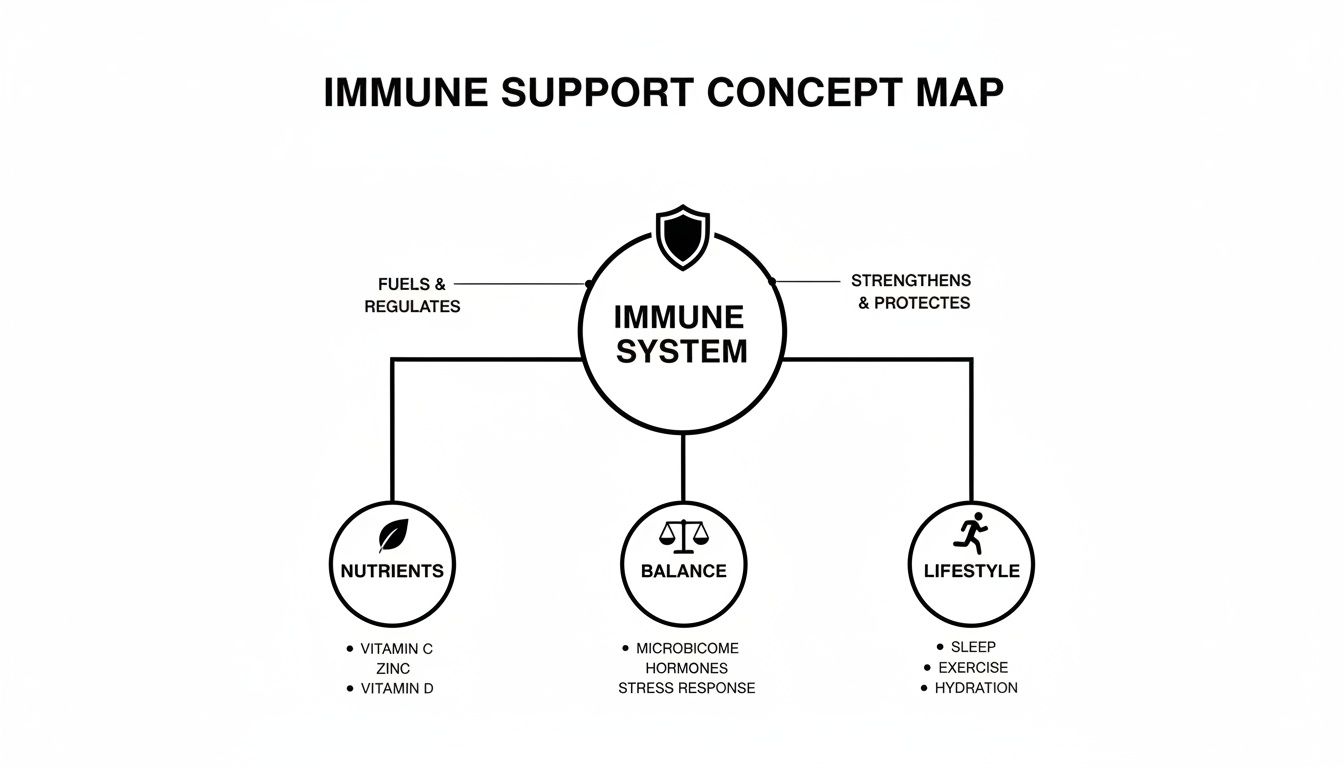
The key takeaway? Supplements are just one piece of a much larger puzzle. True immune strength is built on a holistic foundation that supports the entire system.
Vitamin C: The Emergency Repair Crew
Vitamin C is probably the most famous immune-supporting nutrient out there, and for good reason. Picture it as the emergency repair crew for your immune cells. When your body is fighting off pathogens, it generates a lot of collateral damage in the form of free radicals—unstable molecules that harm your cells.
As a potent antioxidant, Vitamin C rushes in to neutralise these threats, shielding crucial immune cells like neutrophils and lymphocytes from damage. This protection means they can stay on the front lines longer, fighting infection much more effectively.
Because your body can't make or store Vitamin C, you need a steady daily supply. Citrus fruits are the obvious source, but you'll also find plenty in:
- Red bell peppers
- Strawberries
- Kiwi
- Broccoli
Vitamin D: The Mission Coordinator
If Vitamin C is the repair crew, then Vitamin D is the mission coordinator. It’s the director of operations, responsible for activating and regulating your immune cells. It tells them when to attack and, just as importantly, when to stand down.
This nutrient helps to fine-tune both your innate (first-response) and adaptive (memory-based) immune systems. It ensures your body’s reaction is strong enough to neutralise a threat but not so over-the-top that it causes excessive inflammation, which can end up damaging your own tissues.
Here in the UK, getting enough Vitamin D from sunlight is a real challenge, particularly during the autumn and winter. This widespread deficiency is a major reason why so many of us turn to immune support supplements to keep our levels topped up all year round. You can learn more about the specific roles of key vitamins for immune support in our detailed guide.
Zinc: The Fortress Guard
Think of Zinc as the fortress guard. It’s absolutely essential for maintaining the integrity of your body's first lines of defence, like your skin and the mucous membranes in your nose and throat. It’s also critical for the development and function of many types of immune cells, including T-cells and natural killer cells.
A zinc deficiency can seriously hamper your body's ability to fight off pathogens. Even a mild shortfall has been shown to slow down the activity of key immune cells, leaving you more vulnerable to infections.
This mineral makes sure the guards at the gate are strong and the soldiers inside are properly trained for battle. You can find zinc in foods like:
- Pumpkin seeds
- Chickpeas
- Lean meats
- Shellfish
Probiotics: The Immune Boot Camp
Finally, let's talk about probiotics. With roughly 70% of your immune system residing in your gut, the health of your gut microbiome is directly linked to your overall immune resilience. Think of your gut as the boot camp where many of your immune cells are trained and educated.
Beneficial gut bacteria (probiotics) help teach your immune system to distinguish between genuine threats and harmless substances like pollen or certain foods. This training is vital for preventing the overreactions that can lead to allergies and autoimmune conditions.
A balanced microbiome also strengthens the gut barrier—preventing pathogens from leaking into your bloodstream—and produces compounds that actively support immune function. You can boost your gut health with fermented foods like live yoghurt, kefir, and sauerkraut.
Before exploring more advanced supplements, it's worth having a look at the basics. Here’s a quick rundown of these foundational nutrients.
Key Immune Support Nutrients At a Glance
| Nutrient | Primary Immune Role | Common UK Food Sources | Supplementation Reason |
|---|---|---|---|
| Vitamin C | Acts as an antioxidant, protecting immune cells from damage during an infection. | Citrus fruits, red peppers, strawberries, broccoli, kiwi. | Body cannot produce or store it; needs constant replenishment. |
| Vitamin D | Modulates immune responses, telling cells when to act and when to stand down. | Sunlight, oily fish (salmon, mackerel), egg yolks, fortified foods. | Widespread deficiency in the UK, especially in winter months. |
| Zinc | Supports the integrity of physical barriers (skin) and is crucial for immune cell development. | Lean meats, shellfish, chickpeas, pumpkin seeds. | Essential for a rapid and effective immune response. |
| Probiotics | "Train" the immune system in the gut, promoting a balanced response. | Live yoghurt, kefir, sauerkraut, kimchi, kombucha. | Modern diets and lifestyles can disrupt gut microbiome balance. |
Ensuring you have these four foundational pillars in place is the most practical first step in any immune support strategy. They give your body the fundamental resources it needs to defend itself effectively, day in and day out.
Advanced Botanicals for Targeted Support
Once you've got the foundational nutrients dialled in, it’s time to look at some of the more specialised botanicals. These aren’t a replacement for your essential vitamins and minerals, but think of them as targeted reinforcements that bring unique benefits to the table. They’re like the special forces unit you call in to handle specific challenges—seasonal sniffles, chronic stress, or just the need for a more alert defence system.
This growing interest in plant-based solutions is popping up all over the UK. The UK health supplements market, which covers a massive range of immune support supplements, is expected to jump from USD 608.94 million in 2025 to USD 1,460.02 million by 2035. While vitamins and minerals are still the biggest players, plant-based options are the fastest-growing part of the market, which tells you just how much we’re turning towards natural ways to boost immunity.
These advanced botanicals work in very distinct ways, offering a sophisticated level of support that goes way beyond basic nutrition.
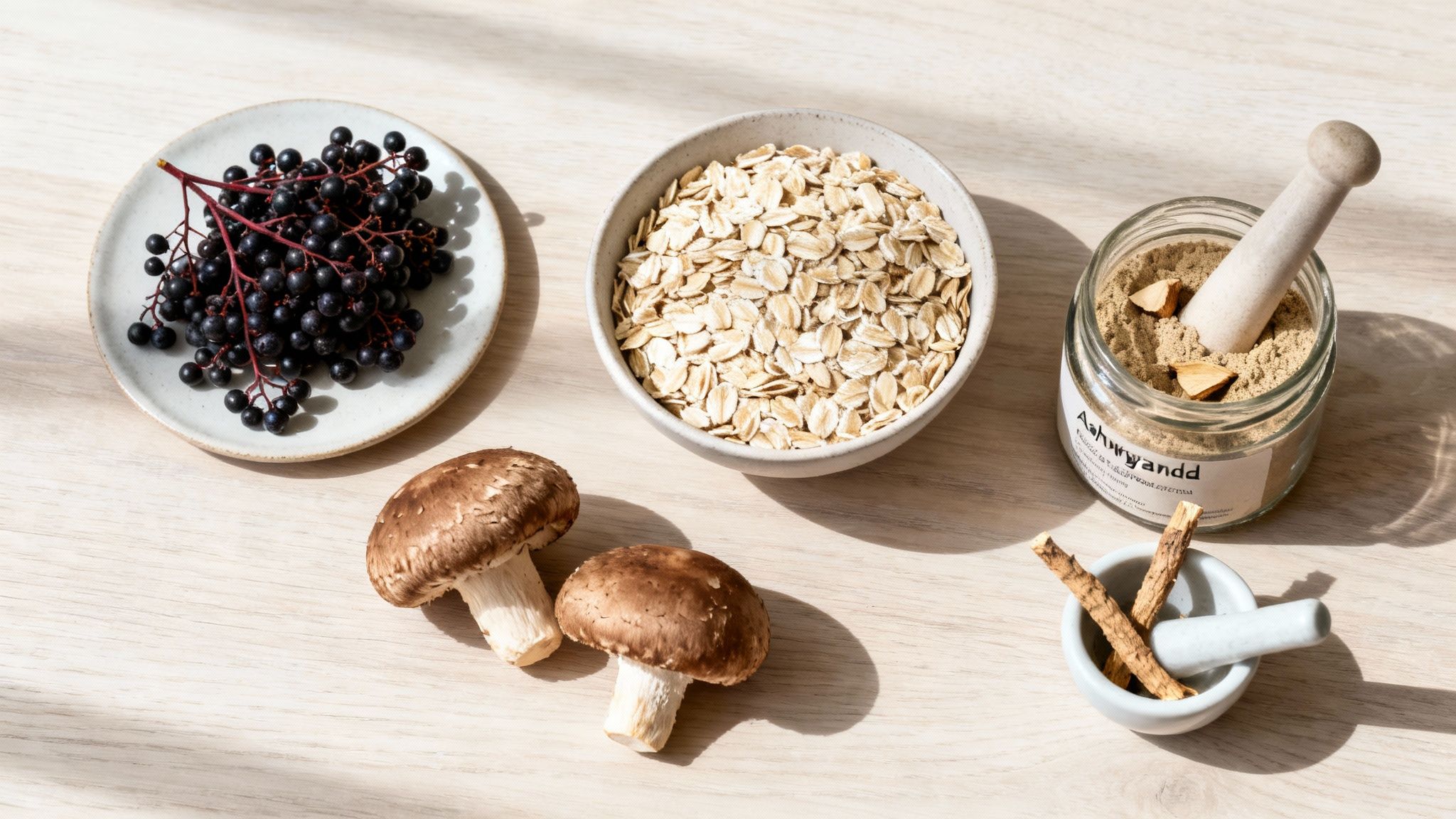
Elderberry: The Seasonal Rapid Response Team
When it comes to seasonal wellness, elderberry has been a go-to for generations. It’s packed with antioxidants called anthocyanins, and it acts a bit like a rapid-response team for your immune system. Research suggests its compounds can actually get in the way of certain viruses entering your cells, which could slow down how quickly they replicate.
This makes elderberry particularly useful when you feel that first tell-tale tickle in your throat. It’s not about stopping you from ever getting ill, but about equipping your body to handle the challenge more effectively and maybe even shorten how long you're feeling rough.
Beta-Glucans: The Immune System Trainers
Beta-glucans are fascinating compounds you’ll find in the cell walls of certain yeasts, oats, and medicinal mushrooms. A great way to think of them is as immune system trainers. They don’t go on the attack directly, but instead, they prime your innate immune cells—like macrophages and neutrophils—to be more vigilant and efficient.
By latching onto specific receptors on these immune cells, beta-glucans essentially put them on high alert. It’s like a training session that helps them recognise and respond to threats much faster when a real challenge comes along.
This makes beta-glucans, often found in mushroom blends, a brilliant option for proactive, long-term immune maintenance. They help make sure your body's first line of defence is always drilled and ready for action, rather than being caught off guard.
Ashwagandha: The Stress Manager
Chronic stress is one of the biggest silent assassins of immune function. When you're constantly stressed, your body pumps out high levels of the hormone cortisol, which can put a damper on your immune cells. This is where adaptogens like Ashwagandha step in.
Adaptogens are unique plants that help your body adapt to and manage stress more effectively. Ashwagandha, in particular, has been shown to help regulate cortisol levels, preventing the immune dip that often follows stressful periods. It acts as the stress manager, creating a more balanced internal environment where your immune system can do its job without interference. By calming the stress response, Ashwagandha indirectly supports robust immune health. If you want to dive deeper, you can explore some comprehensive reviews of Ashwagandha and its effects on the body.
As you explore these botanical allies, you might also find value in traditional medicinal plants. Some people even cultivate plants like dandelion, an edible medicinal herb, right at home to add to their wellness routine.
Choosing The Right Botanical Ally
Deciding which botanical is for you really comes down to your specific needs and lifestyle. Here’s a simple way to think about it:
- For Acute Seasonal Support: When you've been around seasonal bugs or feel the first signs of being under the weather, Elderberry is a logical choice to support a rapid response.
- For Long-Term Resilience: If your goal is to keep your immune system consistently ready and efficient, Beta-Glucans from mushroom blends or yeast can act as an excellent daily trainer.
- For Stress-Related Vulnerability: If you know that periods of high stress leave you feeling run down and susceptible to every bug going around, Ashwagandha can help manage the physiological impact of that stress.
These specialised botanicals offer a more nuanced approach to immune support, allowing you to tailor your strategy to whatever demands your body is facing at any given time.
Personalising Your Immune Support Strategy
When it comes to your immune system, there really is no such thing as a one-size-fits-all solution. A generic approach to immune support supplements often falls flat because it completely ignores the most important factor: your unique life. Your daily habits, stress levels, and diet all create a very specific set of demands on your body’s defences.
Figuring out your personal profile is the key to creating a strategy that actually works. Once you identify your specific challenges, you can stop guessing and start making targeted, effective choices. Let’s walk through a few common lifestyle profiles to see how this plays out in the real world.
The Busy Professional
For anyone juggling a demanding career, chronic stress is often the biggest immune disruptor. Long hours, tight deadlines, and constant pressure ramp up your cortisol levels. This stress hormone can suppress your immune cells, leaving you feeling run down and vulnerable to every bug going around.
This is where adaptogens really shine. An ingredient like Ashwagandha can be incredibly valuable, not by directly "boosting" immunity, but by helping your body get a better handle on its stress response. By helping to regulate cortisol, it creates a more balanced internal environment where your immune system can do its job properly, without being constantly undermined.
The Dedicated Athlete
If you’re a dedicated athlete or a regular gym-goer, your immune challenges look quite different. Intense exercise, while brilliant for long-term health, creates short-term inflammation and oxidative stress. This can temporarily dip your immune defences in the window immediately after a tough workout.
Your focus should be squarely on recovery and managing that exercise-induced inflammation. Nutrients that support this process are your best bet:
- Omega-3s: Famous for their anti-inflammatory properties, they can help balance the body’s response to physical stress.
- Creatine: While well-known for muscle performance, it also plays a role in cellular energy and may support overall recovery.
- Antioxidants: Vitamins C and E are fantastic for helping to neutralise the free radicals generated during intense physical activity.
The Healthy Ager
As we get older, our immune system naturally starts to change in a process called immunosenescence. This can lead to a less robust and slower response to new threats, which makes consistent nutritional support even more critical.
For those focused on longevity, certain nutrients become particularly important for maintaining strong defences. Research shows that older adults often have higher requirements for specific vitamins and minerals that are absolutely essential for immune cell function.
For healthy agers, paying close attention to nutrient status is non-negotiable. Two of the most important nutrients to focus on are Vitamin D, which is crucial for activating immune defences, and Zinc, which is vital for the development and function of T-cells.
Ensuring you have adequate levels of these two is a foundational step in supporting your immune resilience through the years.
The Plant-Based Eater
A well-planned plant-based diet is packed with immune-supportive antioxidants and fibre. Fantastic stuff. However, it can sometimes create specific nutrient gaps if not carefully managed, as certain minerals essential for immune function are less common or harder for our bodies to absorb from plant sources.
Zinc is a classic example. While you can find it in chickpeas and seeds, its absorption can be hindered by compounds in plant foods called phytates. This means those on a plant-based diet need to be extra mindful of getting enough. Other nutrients to keep an eye on include Vitamin B12 and Omega-3s (from a source like algae oil), as they all play a part in a well-functioning immune system.
By figuring out which of these profiles sounds most like you, you can start building a smarter, more personalised approach to choosing your immune support supplements.
Building Your Smart Supplement Routine
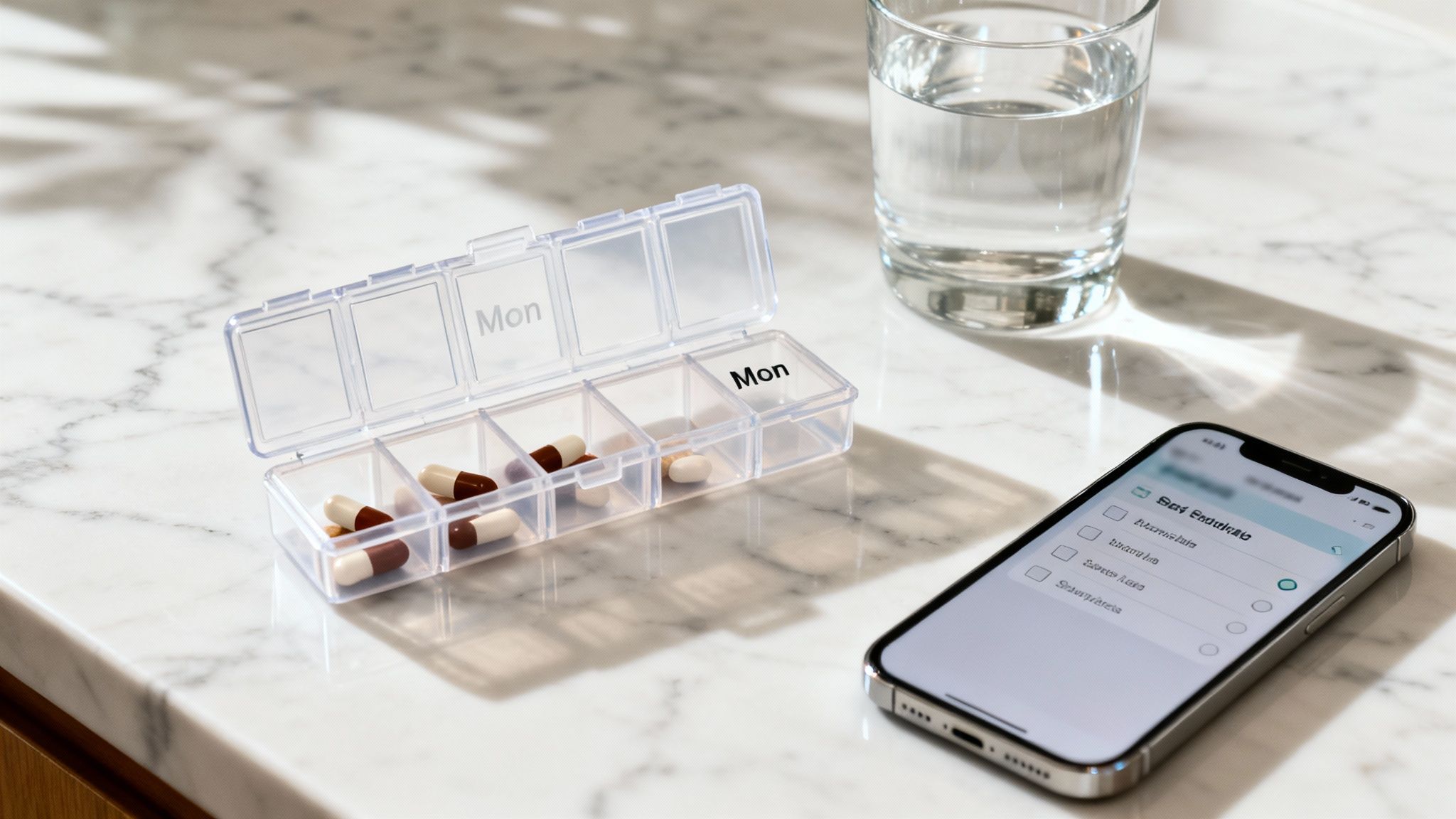
Putting together a supplement plan that actually works is less about collecting popular ingredients and more about building a smart, coordinated routine. Each part should have a clear purpose. A little thought here goes a long way, ensuring you get real value and avoid wasting money or creating unwanted issues.
First things first: check for overlaps. It’s easy to grab individual immune support supplements like Vitamin C and Zinc, but have you checked the label on your daily multivitamin? A good multi often provides 100% or more of your daily needs for these essentials, making those extra bottles completely redundant.
Timing Your Intake For Maximum Effect
Believe it or not, when you take your supplements can be just as important as what you take. Your body has its own rhythms and preferences for absorption, and a bit of simple planning can make a massive difference.
Think of it like this: fat-soluble vitamins—that’s A, D, E, and K—need a ride to get where they’re going. Taking them with a meal that contains healthy fats like avocado, nuts, or olive oil gives them that ride. Pop them on an empty stomach, and they might just get left behind.
On the flip side, some minerals are competitive. Take high doses of Zinc for a long time, and you could accidentally interfere with your body’s ability to absorb copper. It’s why well-designed formulas often include both in a balanced ratio. To get a better sense of these interactions, you can read our guide on whether taking magnesium and zinc together is a good idea.
Reading Labels Like a Pro
The supplement aisle can feel overwhelming, but learning to read a label is your best defence. A quality product won’t hide behind confusing jargon; it will give you clear, transparent information.
A truly effective supplement isn't just about what's in it, but about the form of each ingredient. Bioavailability—how well your body can actually absorb and use a nutrient—is the single most important factor determining whether a supplement will work.
Keep an eye out for specific, bioavailable forms. For instance, magnesium glycinate is known for being much easier on the stomach and better absorbed than the cheaper magnesium oxide. In the same way, methylated B vitamins (like methylcobalamin for B12) are already in their active state, meaning your body can use them straight away without any extra steps.
Why Third-Party Testing Matters
The supplement world isn't as tightly regulated as pharmaceuticals, which means quality can be a bit of a lottery. This is where third-party testing comes in as a non-negotiable seal of trust.
Independent organisations like NSF International or Informed-Sport act as an impartial referee. They verify that a product:
- Contains what the label says it contains: This confirms the dose is accurate.
- Is free from harmful contaminants: Checks for things like heavy metals, pesticides, and microbes.
- Is manufactured according to good practices: Ensures a clean and safe production line.
Looking for these logos is a simple way to filter out the noise and stick with brands that take quality seriously.
To help you shop smarter, we've put together a quick checklist of what to look for on any supplement bottle.
Choosing High-Quality Immune Supplements
| Quality Check | What to Look For | Why It Matters |
|---|---|---|
| Ingredient Forms | Bioavailable forms like chelated minerals (glycinate) or methylated vitamins. | Ensures your body can actually absorb and utilise the nutrients you're taking. |
| Third-Party Seal | Logos from NSF, Informed-Sport, or other independent testing bodies. | Verifies the product's purity, potency, and safety, protecting you from contaminants. |
| Clear Dosages | Specific amounts of each active ingredient are clearly listed (e.g., 500mg, 2000 IU). | Allows you to know exactly what you are taking and avoid potentially excessive doses. |
By taking these practical steps—avoiding overlap, timing your doses, and demanding quality—you can build a routine that genuinely supports your immune health, rather than just guessing.
Your Top Questions About Immune Supplements
Stepping into the world of immune support can feel a bit overwhelming, and it's natural to have questions. To help you feel more confident about the choices you're making, we've tackled some of the most common queries we hear.
Can I Just ‘Boost’ My Immune System When I Feel a Cold Coming On?
The idea of a quick 'boost' right before you get sick is mostly a myth. Real immune resilience isn't about a last-minute power-up; it's built on long-term balance and readiness. While some ingredients like Vitamin C and elderberry might offer a little help if taken at the very first sign of a sniffle, your best bet is consistent, daily support.
Think of it like keeping a well-trained army on standby, rather than trying to pull together a makeshift militia in a crisis. A steady intake of foundational nutrients means your immune cells are always primed and ready to respond effectively when called upon.
Are Natural Supplements Always the Better Choice?
Not necessarily. The word 'natural' on a label doesn't automatically mean a product is safer or more effective. What really matters for any supplement is its bioavailability—how well your body can actually absorb and use the active ingredients—and the solid science backing up its claims.
In some cases, synthetic, lab-created forms of vitamins are molecularly identical to what you'd find in nature and work just as well. Your focus should always be on ingredients supported by evidence, at doses proven to be effective, and from brands that test for purity and quality, regardless of whether they're from a plant or a lab.
The surest signs that your immune supplements are doing their job are often quite subtle. You won’t feel a sudden jolt of energy. Instead, you'll notice a gradual improvement in your resilience over time. Maybe you realise you're not catching as many colds, or when you do get sick, you bounce back faster with milder symptoms.
So, How Will I Know If My Supplements Are Actually Working?
A great way to tell is by simply tracking your health patterns throughout the year. Are you getting through the winter with fewer sick days? Do you feel like you recover more quickly from an illness than you used to? It’s all about strengthening your defences so your body can handle life’s challenges more efficiently.
When you're looking at popular ingredients, it's always smart to dig into the research, like the science behind Vitamin C for cold prevention, to see what studies say about their real-world impact. This helps set realistic expectations for what a smart, consistent supplement routine can truly achieve.
Ready to stop guessing and start building a smarter supplement routine? The VitzAi.com AI-powered quiz analyses your unique lifestyle, diet, and health goals to create a personalised recommendation just for you. Take the free VitzAI quiz today and discover the right support for your immune health.
This article is for informational purposes only and is not medical advice. Always consult a qualified health professional before starting any new supplement or major lifestyle change.