

Magnesium and Zinc: Your Guide to Better Performance and Sleep
Magnesium and zinc are two of the most important minerals you can have in your corner. They’re involved in hundreds of critical bodily functions, from how you produce energy and fend off illness to your sleep quality and hormone balance.
They’re powerful on their own, absolutely. But when you bring them together, their combined effect unlocks a whole new level of well-being, making them a true cornerstone of any effective health strategy.
The Essential Partnership of Magnesium and Zinc

Think of your body as a high-performance engine. To run smoothly, it needs both fuel and oil. You can have a full tank of petrol, but if you've got no oil to lubricate the moving parts, that engine is going to seize up fast. That’s a great way to understand the dynamic between magnesium and zinc.
Magnesium is the oil in this scenario. It’s a workhorse involved in over 300 different enzyme reactions, helping to regulate everything from your muscle contractions and nerve function to your blood sugar control. It helps your cells produce energy and, crucially, allows your muscles to properly relax after a tough workout.
Zinc, on the other hand, is like the fuel. It’s a vital component for cell growth, immune function, and building proteins and DNA. It’s the spark plug that ignites critical processes, like healing a cut or even maintaining your sense of taste and smell.
Why This Combination Is So Important Today
Our modern lifestyles often create a perfect storm for mineral deficiencies. High-stress jobs and intense fitness routines can burn through your body's reserves of both magnesium and zinc much faster than you can top them up.
On top of that, many of our diets are heavy in processed foods that just don't have the nutrient density of whole foods. Even when we do eat healthily, the fruit and veg we buy can be less mineral-rich than it was decades ago, largely due to soil depletion from intensive farming.
This cocktail of factors means a lot of us are operating with suboptimal levels, leading to common problems that are easy to brush off:
- That persistent fatigue that no amount of coffee seems to touch.
- Poor sleep quality and struggling to unwind at night.
- Slow recovery after exercise and nagging muscle soreness.
- A weakened immune system that makes you susceptible to every cold going around.
By understanding how magnesium and zinc work synergistically, you can move from simply surviving to truly thriving. Their partnership is essential for optimising performance, achieving restorative sleep, and creating hormonal harmony.
This guide will unpack exactly how this dynamic duo supports your health and how you can ensure you’re getting enough to feel your absolute best.
Are You Getting Enough Magnesium and Zinc?
Many of us just assume our diet is giving us everything we need, but when it comes to crucial minerals like magnesium and zinc, there’s often a huge gap between what we eat and what our bodies actually require. This shortfall isn’t just a minor blip; it could be the real reason behind that nagging fatigue, poor sleep, or sluggish recovery you can’t seem to shake.
The reality is, modern life stacks the deck against us. Chronic stress, tough workouts, and a diet heavy on processed foods all ramp up our body's demand for these minerals. At the same time, today's farming practices have left much of our soil depleted, meaning the fresh food we rely on might not be as nutrient-packed as it once was. This has created a widespread problem that often goes completely unnoticed.
The UK's Hidden Deficiency Problem
This isn't just a theory; the data paints a pretty clear picture. In the UK, a startling 19% of young adults in their twenties have magnesium intakes that fall below the Lower Reference Nutrient Intake (LRNI). This is a massive shortfall for an age group that should be at their nutritional peak.
This deficiency problem feeds into a cycle of common complaints we all know too well. Maybe you're reaching for an extra coffee to beat the afternoon slump, struggling to switch off at night, or noticing your gym progress has hit a wall. Even catching every cold going around could be your body's way of telling you its mineral stores are running low.
Spotting the Subtle Signs
The signs of low magnesium and zinc can be sneaky and are easily mistaken for the general wear and tear of a busy life. But learning to spot them is the first step toward fixing the imbalance and getting your energy back.
Recognising these symptoms in yourself can be a real game-changer. If you’re tired of feeling run down, it's worth getting to grips with the early warning signs of a mineral deficiency.
Think of these symptoms not as separate issues, but as signals your body is sending. Persistent fatigue, restless nights, and slow recovery are all potential indicators that your foundational mineral levels need attention.
To make things a bit clearer, the table below breaks down the common signs linked to low levels of each mineral. Have a look and see if anything resonates with how you're feeling right now.
Signs You Might Be Low in Magnesium or Zinc
| Symptom Area | Potential Magnesium Deficiency Signs | Potential Zinc Deficiency Signs |
|---|---|---|
| Energy & Mood | Persistent fatigue, irritability, anxiety, and low mood. | Unexplained fatigue, apathy, and difficulty concentrating. |
| Sleep Quality | Difficulty falling asleep, restless legs, and frequent waking. | Disturbed sleep patterns and feeling unrefreshed upon waking. |
| Physical Performance | Muscle cramps, spasms, weakness, and poor recovery. | Slow wound healing, decreased strength, and prolonged muscle soreness. |
| Immune Health | Frequent infections, colds, and general susceptibility to illness. | Weakened immune response, leading to more frequent or severe illnesses. |
| Skin & Hair | Not a primary indicator, but can affect overall cellular health. | Hair loss, acne, dermatitis, and brittle nails. |
Paying attention to these signals is a simple but powerful way to look after your wellbeing. By understanding these potential signs, you can start making smarter choices about your diet and lifestyle. For a deeper dive, you can learn more about how to identify various vitamin deficiency signs and what they mean for your health. A proactive approach now can make a huge difference in how you feel every single day.
How These Minerals Fuel Performance and Recovery

For anyone serious about their training, the partnership between magnesium and zinc isn't just helpful—it's essential. These two are the unsung heroes working backstage, powering your workouts and then rebuilding your body when you're done. They're what turn your hard work in the gym into real results like more strength, better endurance, and a quicker bounce-back.
Think of your muscles as a finely tuned electrical system. To lift a weight or sprint, your brain fires off a signal, and your muscles need to contract with force. Magnesium is the master regulator here, managing the flow of calcium into muscle cells to create that powerful contraction. Just as importantly, it helps usher the calcium back out, allowing the muscle to relax.
Without enough magnesium, that whole system can go a bit haywire. This is exactly why low magnesium is so often linked to muscle cramps and spasms. Your muscles essentially get stuck in the ‘on’ position, unable to fully relax. Keeping your magnesium intake topped up ensures this on-off switch works smoothly, giving you more efficient muscle function and fewer painful interruptions.
Powering Every Repetition
But magnesium’s job doesn't stop at muscle relaxation. It’s also front and centre in energy production. Every single cell in your body runs on a molecule called adenosine triphosphate (ATP)—think of it as your body's universal energy currency. You need it for everything, from breathing to smashing a new personal best.
Magnesium actually binds to ATP molecules to create a stable, usable form of energy. If you're short on magnesium, your body's ability to produce and use ATP is seriously hampered. This can leave you feeling tired way too early in your workout, struggling to get through those final reps, and just feeling wiped out in general. By optimising your magnesium levels, you're directly fuelling your body's power plant.
Magnesium is your muscle's operational manager, overseeing everything from powerful contractions to energy creation. Zinc, in contrast, is the head of your body's post-workout repair and defence crew, ensuring you bounce back stronger.
While magnesium fuels the effort, zinc is all about the recovery that comes after. Tough workouts create tiny micro-tears in your muscle fibres, which is a totally normal and necessary part of getting stronger. Your body then repairs these tears, building the muscle back bigger and more resilient. The whole process is driven by protein synthesis, and zinc is a key catalyst for it.
Without enough zinc, your body's capacity to mend muscle tissue and build new protein slows right down. This means you'll feel sore for longer, see slower gains in strength, and have that nagging feeling that you're just not quite recovering between sessions. Zinc makes sure your repair crew has all the tools it needs to get the job done right.
Defending Your Progress
Finally, let's be honest—intense training puts a lot of stress on your body, and that can temporarily knock your immune system for six. This leaves you wide open to catching colds and other bugs, forcing you to take unplanned days off and throwing your consistency out the window. Zinc is absolutely vital for keeping your immune system robust.
It plays a crucial part in the development and function of the immune cells that act as your first line of defence. Having enough zinc helps ensure your immune system stays resilient, even when you're pushing your body to its limits. That translates to fewer sick days and more consistent progress towards your goals.
The synergy between magnesium and zinc creates a powerful foundation for anyone dedicated to their fitness:
- Magnesium fuels muscle contractions and energy production.
- Zinc drives muscle repair and bolsters immune defences.
Together, they help you train harder, recover faster, and stay healthier. If you're looking to really dial in your post-workout routine, have a look at our guide on the best supplements for muscle recovery to see how you can give your body even more support. This dynamic duo is a true cornerstone of any effective athletic nutrition plan.
Balancing Hormones for Men and Women
Long after you've left the gym or turned out the lights, magnesium and zinc are hard at work, fine-tuning your body’s intricate hormonal systems. Think of your hormones like a complex orchestra; if one instrument is off-key, the whole performance suffers. These two minerals are the conductors, making sure every section works in harmony to control everything from your energy and mood to your metabolism and reproductive health.
Their influence is incredibly wide-ranging yet surprisingly specific, with targeted benefits for men and women at different stages of life. For men, zinc is an absolute cornerstone for healthy testosterone. For women, magnesium can be a game-changer when it comes to managing stress and PMS.
And this delicate balancing act isn't just about sex hormones. Both minerals are vital for your thyroid and for regulating insulin—two master systems that govern your overall vitality.
Zinc: The Foundation of Men's Health
For men, zinc is simply non-negotiable for robust hormonal health. Its most critical role is firing up the production of testosterone, the primary male sex hormone that drives muscle mass, bone density, energy, and libido. The cells in the testes responsible for making testosterone are highly dependent on zinc to do their job properly.
When zinc levels are low, the body's ability to synthesise this crucial hormone can take a serious hit. This can trigger a cascade of unwelcome effects that many men might just write off as “getting older,” like:
- A noticeable drop in energy and motivation.
- Struggling to build or maintain muscle, even with consistent training.
- A decline in libido and overall vitality.
You can think of zinc as a vital building block for testosterone. Getting enough is one of the most fundamental steps men can take to support their natural hormonal output, which directly impacts both physical and mental performance.
Research has shown a crystal-clear link between zinc status and testosterone levels. Studies have found that restricting zinc intake can cause a significant drop in testosterone, while supplementing zinc-deficient men can bring those levels right back up. It’s what makes magnesium and zinc such a powerful duo for men looking to optimise their health from the inside out.
Magnesium: Calming Support for Women's Health
For women, magnesium brings a different but equally powerful set of benefits to the table, especially when it comes to the nervous system and the menstrual cycle. It acts as a natural calming agent, helping to regulate the body's stress response. It does this by supporting GABA, a neurotransmitter that encourages relaxation and eases nervous tension.
This soothing effect is a huge help for managing the symptoms of premenstrual syndrome (PMS), which stress can often make much worse. Many women deal with irritability, anxiety, and mood swings in the days leading up to their period. By helping to calm the nervous system, magnesium can really take the edge off.
Better yet, magnesium is also known for its muscle-relaxing properties. This can bring real relief from the painful cramps and uterine contractions that are all too common with PMS. It essentially helps to quieten both the mind and the body, making that time of the month far more manageable.
Zinc plays a key supporting role for women too, especially with skin health. It helps regulate oil production and supports the body’s natural healing processes, which can help manage those hormonal acne breakouts that often pop up during the menstrual cycle.
Supporting Metabolism for Everyone
The hormonal perks of magnesium and zinc go well beyond gender-specific needs. They're both essential for two systems that dictate your metabolic health and daily energy: your thyroid function and your insulin sensitivity.
-
Thyroid Function: Your thyroid gland produces hormones that control your metabolism—the rate at which your body burns calories for energy. Both magnesium and zinc are needed to convert the inactive thyroid hormone (T4) into its active form (T3). Without enough of them, this process can slow down, leading to symptoms like fatigue, weight gain, and always feeling cold.
-
Insulin Sensitivity: Insulin is the hormone that ferries sugar from your blood into your cells for energy. Magnesium plays a direct part in how well your cells listen to insulin's signal. Good insulin sensitivity is key for stable energy and maintaining a healthy weight. Zinc also helps out by supporting the cells in the pancreas that produce insulin.
By supporting these fundamental hormonal pathways, magnesium and zinc help build a solid foundation for lasting vitality, steady energy, and a well-oiled metabolism for everyone.
Choosing the Right Supplements for Your Goals
Stepping into the supplement aisle can feel a bit much, with countless bottles all promising the world. But here's the secret: the key isn't just about what you take, but what your body can actually use. This all comes down to a crucial concept called bioavailability.
Think of it like this: you can have the most nutrient-rich soil in your garden, but if your plants don’t have the right roots to soak it all up, that amazing soil goes to waste. It’s the same with supplements. The chemical form of a mineral determines how well your body can absorb and get to work with it. That’s why getting your head around the different forms of magnesium and zinc is a game-changer for seeing real results.
Not all supplements are created equal. The form of magnesium that helps you drift off to sleep might not be the best one for supporting digestion, and the same goes for zinc. Making the right choice means you're not just buying a product; you're investing in an outcome.
Matching the Mineral Form to Your Health Goal
To really get the most from your supplements, you need to match the specific form of each mineral to what you’re trying to achieve. For instance, if better sleep is top of your list, you’ll want a highly absorbable form of magnesium known for its calming effect on the nervous system.
Let's break down some of the most common and effective forms to help you decide.
-
Magnesium Glycinate: This form is bound to glycine, an amino acid that has its own calming effect on the brain. This combo makes it a fantastic choice for improving sleep, dialling down anxiety, and easing stress, all without the laxative effect that can come with other forms. If you're chasing deeper, more restorative sleep, this is often the go-to.
-
Magnesium Citrate: Bound with citric acid, this form has solid bioavailability and a gentle laxative effect. It's often used to support regular bowel movements and relieve constipation, while still delivering all the foundational benefits of magnesium.
-
Zinc Picolinate: This is one of the most easily absorbed forms of zinc out there. It's chelated (or bound) to picolinic acid, which gives it a VIP pass into your system. It's a brilliant all-rounder for immune support, skin health, and hormonal balance.
-
Zinc Glycinate: Just like its magnesium counterpart, this form is bound to glycine to boost absorption. It’s also incredibly gentle on the stomach, which is a massive plus for anyone who finds other zinc supplements can make them feel a bit queasy.
The flowchart below shows how these minerals get to work on hormone balance for both men and women, helping you pinpoint where to focus.
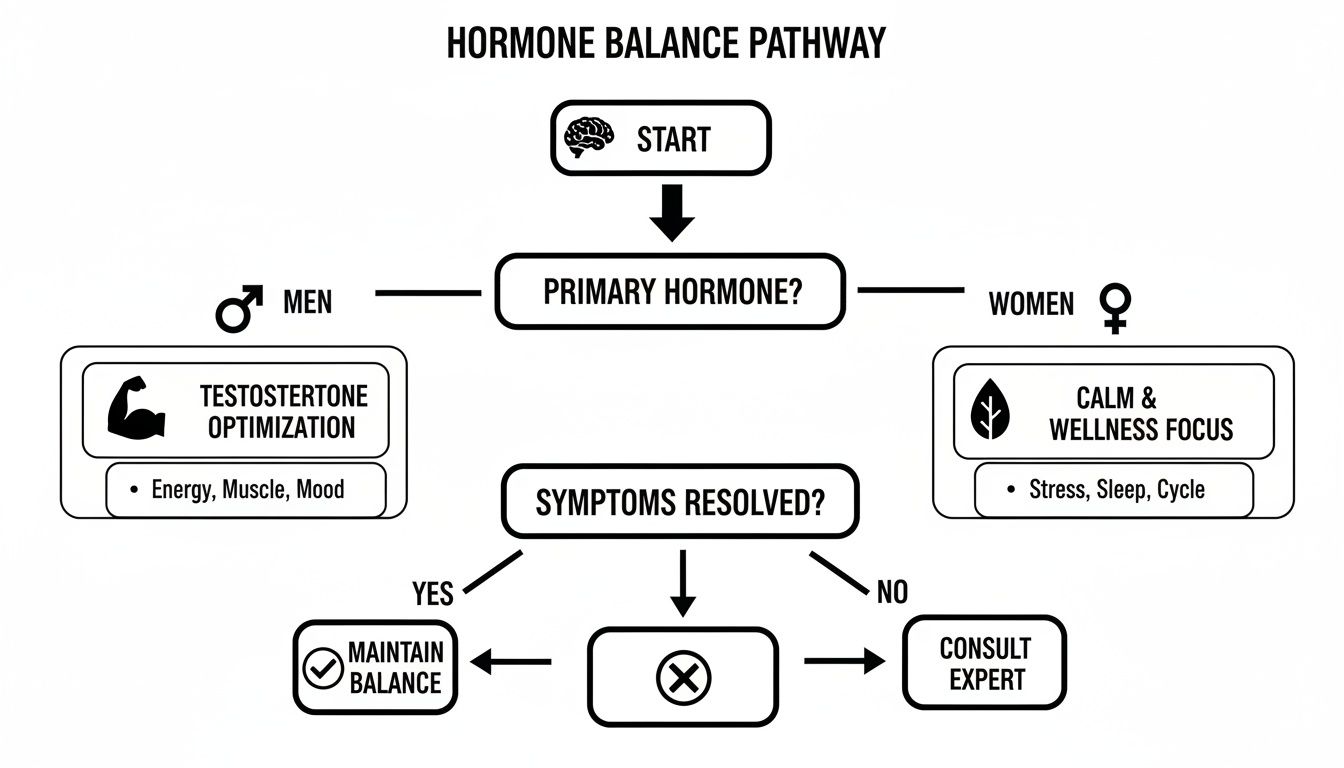
This decision tree helps illustrate how targeted mineral support can help men optimise testosterone and women find calm, addressing key hormonal goals.
To make things even simpler, here’s a quick-glance table to help you match the right supplement form to your specific goals.
Choosing the Right Form of Magnesium and Zinc
| Mineral Form | Best For | Key Benefit |
|---|---|---|
| Magnesium Glycinate | Sleep, Stress & Relaxation | High absorption and calming effects on the nervous system. |
| Magnesium Citrate | Digestion & Regularity | Good bioavailability with a gentle laxative effect. |
| Zinc Picolinate | General Immune & Hormone Support | Superior absorption for broad health benefits. |
| Zinc Glycinate | Sensitive Stomachs & Immune Health | Highly absorbable and easy on the digestive system. |
By choosing a form suited to your needs, you're not just taking a supplement; you're giving your body exactly what it needs to thrive. For a deeper dive, you can learn more about finding the best type of magnesium for sleep in our dedicated guide. This will help you fine-tune your supplement stack for maximum relaxation.
Optimal Timing and Important Interactions
Picking the right form is only half the battle. Knowing when and how to take your supplements is just as critical for maximising their benefits and steering clear of any issues.
The timing of your magnesium and zinc can make a real difference. Many people find taking them in the evening, about an hour before bed, works best. This timing plays to magnesium’s calming strengths to promote restful sleep, while also allowing zinc to support the body’s overnight repair and recovery processes.
Your body is in a constant state of competition for resources. Taking certain minerals together or with the wrong foods can create a traffic jam, blocking absorption and wasting your efforts.
It's also vital to be aware of a few key interactions that can get in the way of absorption.
-
Phytates: Found in plant-based foods like whole grains, legumes, and nuts, phytates can bind to zinc and stop your body from absorbing it properly. While these foods are incredibly healthy, it’s best to take your zinc supplement at least two hours apart from a high-phytate meal.
-
High-Dose Iron and Calcium: Taking large doses of iron or calcium at the same time as zinc creates a sort of competition in your gut. If you're supplementing with these minerals, try to space them out across the day. For example, you could take iron or calcium in the morning and save your zinc supplement for the evening.
By paying attention to these simple rules of timing and interactions, you can ensure your body is getting the full benefit from every single dose. It’s all about making smarter, more effective choices that truly support your health goals.
Common Questions About Magnesium and Zinc
To make sure you've got all the information you need, let's tackle some of the most common questions that come up when people start thinking about supplementing with these two essential minerals. Here are some clear, science-backed answers to help you feel confident about adding them to your routine.
Can I Take Magnesium and Zinc at the Same Time?
Yes, you absolutely can—and in many cases, you probably should. You'll often find supplements, especially those designed for better sleep and recovery, that combine magnesium and zinc specifically for their synergistic effects. Taking them together in the evening is a really popular strategy to help your muscles relax and support your body's overnight repair processes.
A word of caution on dosage, though. Taking very high doses of zinc (we're talking over 50 mg) for a long time can potentially get in the way of your body absorbing copper and magnesium properly. For most people taking standard, recommended doses, this isn't something to worry about, but it's always smart to stick to the suggested amounts on the label.
What Are the Best Food Sources of These Minerals?
While supplements are a fantastic way to guarantee you're hitting your targets, building on a food-first foundation is always the best approach. You can give your body a natural boost by weaving more of these foods into your diet.
- For Magnesium: Think dark leafy greens like spinach, nuts and seeds (especially almonds and pumpkin seeds), avocados, and even a bit of good-quality dark chocolate.
- For Zinc: Oysters are the undisputed champion here, but you can also find plenty in red meat, poultry, beans, nuts, and whole grains.
How Long Until I Feel the Benefits?
This is the big question everyone asks, and the honest answer is: it depends. It really comes down to how deficient you were to begin with and your own unique body chemistry. Some people report better sleep quality or fewer muscle cramps within just a few days to a week.
For the bigger, more systemic benefits—like better energy levels, hormonal balance, or a stronger immune system—it's more realistic to give it several weeks of consistent use before you expect to notice a real difference. Patience and consistency are everything.
Think of it this way: the timeline really depends on how low your body's stores were. If you've been running on empty for a while, it's naturally going to take a bit longer to build those levels back up to where they need to be.
Ready to create a supplement plan that’s built just for you? At VitzAI, we use smart technology to analyse your unique health goals and recommend the precise nutrients you need to perform at your best. Start your free health assessment today at VitzAI.com.
This article is for informational purposes only and is not medical advice. Always consult a qualified health professional before starting any new supplement or major lifestyle change.