

A Complete Guide to Omega 3 Supplements UK
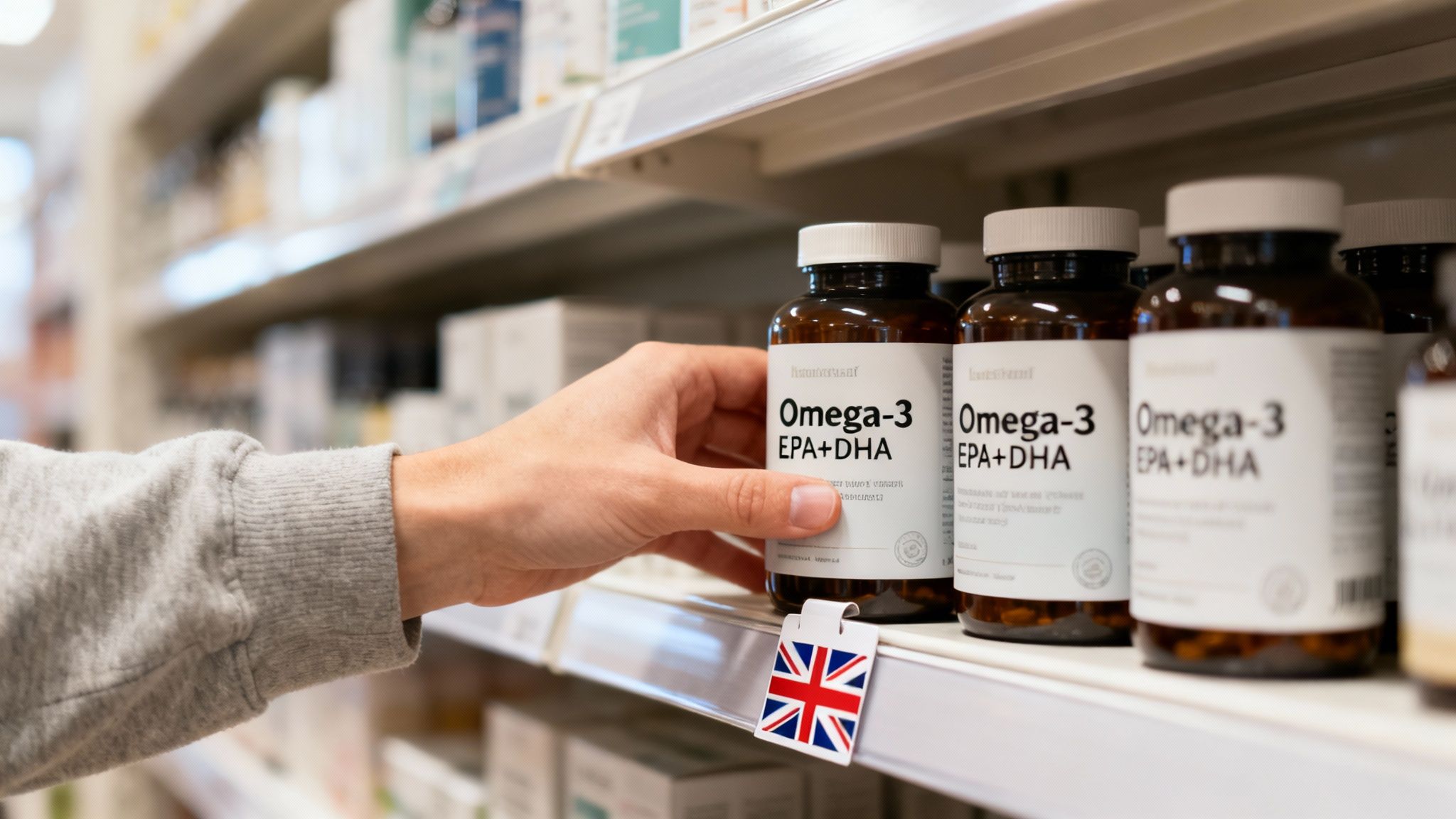
Walk down the supplement aisle in any UK high street shop, and you'll see countless bottles vying for your attention. Amidst the noise, omega-3 supplements have earned their place as a true cornerstone of modern wellness. These aren't just another passing health trend; they're essential 'good fats' your body can't make on its own, making them a non-negotiable part of any proactive health plan.
Why Omega-3 Is a UK Wellness Essential
Whether you're browsing online or popping into your local health food shop, it’s clear that looking after ourselves is a top priority here in the UK. We're all searching for ways to manage stress, sharpen our minds, and generally support our long-term well-being. This is precisely where omega-3 fatty acids come in, acting as the fundamental building blocks for your brain, heart, and joints.
Think of omega-3s as your body's internal maintenance crew. They're the experts working behind the scenes, supporting all the critical functions that dictate how you feel and perform day in, day out. As our collective understanding of nutrition has grown, these specific fats have shifted from a niche topic for health fanatics to a mainstream staple for anyone serious about their health.
The Growing Demand for Omega-3
The buzz around omega-3 isn't just word-of-mouth; it's backed by some serious numbers. In 2023, the UK omega-3 market pulled in a revenue of USD 87.6 million. That figure reflects a massive, growing interest among Brits for supplements that deliver real, tangible health benefits. And it’s not slowing down, with forecasts showing the market is set to expand even further by 2030. You can discover more insights about the UK omega-3 market here.
This surge really highlights a collective shift towards preventative health. More than ever, we're realising the value of investing in our health today to guarantee our vitality for tomorrow.
Omega-3s are classed as essential fatty acids. 'Essential' is the key word here – it means your body absolutely needs them to function properly but can't produce them from scratch. You have to get them from your diet or through supplements, making them a crucial part of a balanced nutritional strategy.
What This Guide Will Cover
This guide is designed to cut through the confusion and arm you with clear, practical knowledge. We're going to dive into:
- The Key Players: We'll demystify the different types of omega-3, like EPA and DHA, and explain what they actually do.
- Real-World Benefits: We’ll look at how they support everything from heart health to mental clarity.
- Choosing a Supplement: This is your practical buyer's guide for the UK market, covering sources like fish, krill, and algae oil.
- Dosage and Routine: We'll help you figure out the right amount for your goals and how to seamlessly fit it into your life.
By the end, you’ll have the confidence to walk into any shop and choose the right omega 3 supplements UK residents can trust for their specific health goals.
Getting to Grips With Omega-3s: EPA, DHA, and ALA
To figure out which omega-3 supplement is right for you, we first need to get familiar with the key players: EPA, DHA, and ALA. While they all live under the “omega-3” umbrella, each one has a very different job description inside your body. Understanding what they do is the first step to choosing a product that actually matches your health goals.
Think of them as a team of specialists. Not all omega-3s are created equal, and the type you take directly influences the benefits you’ll feel. This is exactly why you need to look past the total "fish oil" number on the front of the bottle, especially when you’re browsing the huge range of omega-3 supplements UK shoppers have to choose from.

DHA: The Brain and Eye Architect
First up is DHA (Docosahexaenoic Acid), which is arguably the superstar for your brain and eyes. It’s a major structural component of your brain’s cerebral cortex and the retina. In simple terms, it's the physical building block used to construct and maintain these vital areas.
Getting enough DHA is absolutely critical for healthy nerve cell communication, which is the foundation for everything from memory and focus to learning something new. This is why it’s so heavily recommended for brain development during pregnancy and early childhood, but its importance doesn't stop there—it continues throughout our lives to help keep us sharp.
EPA: The Inflammation Manager
Next on the team sheet is EPA (Eicosapentaenoic Acid). If you think of DHA as the architect, then EPA is the body's in-house inflammation manager. Its main role is to help produce signalling molecules called eicosanoids, which are hugely important for keeping inflammatory responses under control.
Chronic, low-grade inflammation is now linked to a whole host of health problems, from achy joints to cardiovascular issues. EPA helps to keep this inflammatory response balanced and in check, making it particularly important for supporting heart health, promoting comfortable joints, and even influencing your mood.
ALA: The Plant-Based Precursor
Finally, we have ALA (Alpha-Linolenic Acid). This is the omega-3 you find in plant sources like flaxseeds, chia seeds, and walnuts. While it's definitely good for you, ALA is what’s known as a precursor. This means your body has to convert it into the more active forms, EPA and DHA, before it can really get to work.
The big catch is that this conversion process is notoriously inefficient. Studies suggest that only a tiny fraction—sometimes as little as 2-10%—of the ALA you eat actually gets turned into the EPA and DHA your body really needs for brain and heart health.
This inefficiency is a crucial point to grasp. A diet packed with nuts and seeds is fantastic for your overall health, but relying on it alone for your EPA and DHA can leave you falling well short. For most people, especially those who don't eat oily fish a couple of times a week, a direct source of EPA and DHA becomes pretty essential.
This is also why it’s worth understanding the difference between various oil supplements; you can learn more by exploring the distinctions between standard omega-3 fish oil vs cod liver oil in our detailed guide. Ultimately, the specific EPA and DHA numbers on a supplement label are the most important figures to look at.
The Real-World Health Benefits of Omega-3
So, we've covered the key players—EPA and DHA. But what does that actually mean for you day-to-day? The benefits of omega-3 aren't just abstract science; they translate into tangible, real-world improvements you can genuinely feel, from a sharper mind to more comfortable joints.
For many of us in the UK, adding a high-quality omega-3 supplement to our routine is a smart, proactive step. It’s less about just plugging a nutritional gap and more about actively supporting the very systems that keep you feeling on top form. Let's break down the most significant, science-backed benefits.
Supporting a Healthy Heart
Heart health is a huge conversation in the UK, and for good reason. Omega-3s are one of the most well-researched nutrients out there when it comes to keeping your ticker in good shape. EPA and DHA are particularly brilliant at helping to manage triglyceride levels.
Triglycerides are a type of fat floating around in your blood. You need some, but high levels can ramp up health risks. Omega-3s have been shown time and again to help keep these levels in a healthy range, which is great news for your arteries and overall circulation. Think of them as a cornerstone of any heart-conscious wellness plan.
This preventative approach to health is really gathering pace. Health-conscious Brits are driving the omega-3 supplement market forward, and it's on a clear growth path. With heart disease still a leading cause of death—claiming around 160,000 lives annually—it’s no surprise that supplements rich in EPA and DHA have become a daily staple for so many. You can dive into the research on this trend in the UK omega-3 market report.
Boosting Brain Function and Mood
Here’s a fact that might surprise you: your brain is nearly 60% fat, and a huge chunk of that is DHA. This makes omega-3 absolutely essential for keeping your brain cells happy and functioning as they should. You could think of DHA as the premium oil that keeps the complex engine of your brain running without a hitch.
Getting enough DHA is linked to some serious cognitive perks, including:
- Better Memory: It helps your brain form and retrieve memories.
- Sharper Focus: By supporting healthy nerve cell communication, it helps you stay on task.
- Mental Clarity: It plays a role in cutting through that dreaded brain fog.
But it’s not just about raw brainpower. EPA is a star player when it comes to mood regulation. Its anti-inflammatory effects are thought to influence the pathways of our neurotransmitters, helping to support emotional balance and a more positive outlook. This makes omega-3 a powerful ally for both your cognitive performance and your mental wellbeing. To get a better handle on how different fatty acids fit into the picture, check out our guide on the roles of omega-3, 6, and 9 capsules.
Easing Joint Inflammation
If you've ever dealt with stiff, achy joints, you know that inflammation is usually the villain of the piece. This chronic, low-grade inflammation can lead to daily discomfort and limit your mobility, affecting everything from your morning run to simply getting up from a sofa. This is where the anti-inflammatory power of EPA really comes into its own.
EPA helps your body produce compounds that actively cool down inflammation. By doing so, it can help to soothe that joint discomfort and improve your flexibility.
For many people, taking omega 3 supplements UK wide on a regular basis can lead to a noticeable difference in joint comfort, paving the way for a more active, pain-free life. It's a natural way to bolster your body's own defence systems against inflammation, promoting better joint health from the inside out.
How to Choose the Right Omega 3 Supplement in the UK
Walking down the supplement aisle can feel overwhelming, especially with the sheer number of omega-3 options staring back at you. When it comes to finding the best omega 3 supplements UK shops have to offer, a little know-how makes all the difference. This guide will walk you through the key things to look for, so you can pick a high-quality product with total confidence.
We’ll break down everything from the different sources of omega-3 to decoding confusing labels, giving you a clear checklist for your next purchase. Whether you're shopping on the high street or online, you'll be able to make an informed choice that actually supports your health goals.
This flowchart maps out the core benefits you can expect from a top-notch omega-3 supplement.
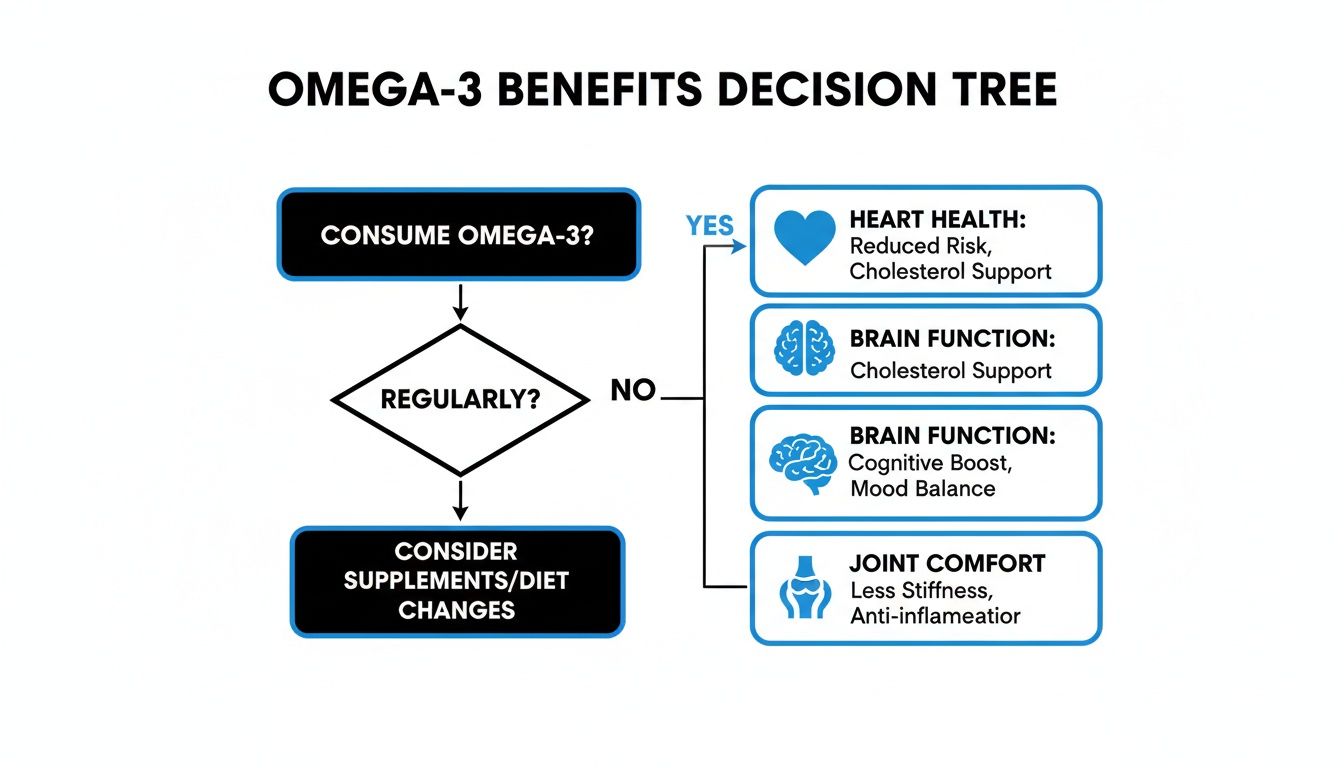
As you can see, the big hitters are heart health, brain function, and joint comfort, which really shows how vital these fats are for your whole body.
Comparing Your Main Options Fish Krill and Algae
The first big decision is where your omega-3s come from. Each source has its own unique profile, making it a better fit depending on your diet, budget, and health priorities. In the UK, you’ll mainly find three types: fish oil, krill oil, and algae oil.
A good way to understand the differences is to compare them side-by-side.
Comparing Omega 3 Sources Fish vs Krill vs Algae Oil
| Feature | Fish Oil | Krill Oil | Algae Oil |
|---|---|---|---|
| Source | Oily fish (anchovies, sardines) | Tiny, shrimp-like crustaceans | Marine microalgae |
| Key Nutrients | EPA & DHA | EPA & DHA (phospholipid form), Astaxanthin | EPA & DHA |
| Best For | General use, budget-conscious buyers | Enhanced absorption, antioxidant support | Vegans, vegetarians, fish allergies |
| Sustainability | Varies; look for certifications | Generally good, but check sourcing | Highly sustainable and eco-friendly |
| Cost | Most affordable | Mid-to-high range | Mid-to-high range |
This table lays it out clearly: fish oil is the classic, krill offers a potential absorption edge, and algae is the perfect plant-based solution. Your personal needs will steer you towards the right choice.
How to Read the Label Like an Expert
Once you’ve picked a source, the next job is to inspect the label. So many people get tripped up by looking at the big number on the front of the bottle—the total “fish oil” or “omega-3” amount. Honestly, that figure can be pretty misleading.
The only numbers that really matter on an omega-3 supplement label are the specific amounts of EPA (Eicosapentaenoic Acid) and DHA (Docosahexaenoic Acid). These are the active compounds that actually deliver the health benefits.
To find them, just flip the bottle over to the supplement facts panel. Add the EPA and DHA figures together to get the true active dose in each serving. That combined number is what you should use to compare products and make sure you’re getting a dose that will make a difference.
Purity Sustainability and Why They Matter
A quality omega-3 supplement isn't just about what's in it; it's also about what's not in it. Because fish and krill are harvested from the ocean, there's always a risk of contamination from things like heavy metals (mercury, lead) and other pollutants.
To make sure your supplement is clean and safe, keep an eye out for these markers:
-
Third-Party Testing: The best brands send their products to independent labs to check for purity and confirm the EPA/DHA levels are accurate. Look for phrases like "third-party tested for purity" or certifications from groups like IFOS (International Fish Oil Standards).
-
Sustainability Certifications: To protect our oceans, it’s worth choosing brands that use sustainable fishing practices. Certifications like ‘Friend of the Sea’ or the Marine Stewardship Council (MSC) are great indicators that the oil was sourced responsibly.
Thankfully, the demand for sustainable options is growing. The UK omega-3 market is expanding, partly driven by the rise in vegan and vegetarian lifestyles—now estimated at over 1.5 million people in recent UK surveys. This has led to a welcome boom in high-quality, eco-friendly algae-based products.
As a general guideline, official UK bodies often recommend a daily intake of 450mg of combined EPA and DHA for adults.
For anyone specifically looking for plant-based omega-3s, our guide on vegan omega-3 sources offers a deeper dive into making the best choice. By keeping these points in mind, you can confidently pick a supplement that’s effective, safe, and right for you.
Getting Your Omega-3 Dose Right: How Much and When to Take It
So, you've picked out a quality omega-3 supplement. Great! The next piece of the puzzle is figuring out exactly how much you need and, just as importantly, how to make it a regular part of your day.
Getting the dose right is what separates a supplement that works from one that doesn't. But there’s no magic number here. Your ideal intake will hinge on your age, what your diet looks like, and what you’re hoping to achieve. For most of us in the UK, the aim isn't just to dodge a deficiency; it's about actively supporting our heart, brain, and joints.
General UK Dosage Guidelines
For most healthy adults, a solid starting point is the general guidance from UK health bodies. A commonly recommended target is around 450-500mg of combined EPA and DHA per day. Think of this as the equivalent of eating two portions of oily fish a week.
If oily fish isn't a regular on your menu, a supplement is the simplest way to hit that number. Most reputable omega 3 supplements UK brands formulate their capsules to provide this amount in just one or two softgels, making it incredibly easy to tick that box.
Tailoring Your Dose for Specific Needs
For some people, a higher intake isn't just beneficial—it's necessary. It's always best to have a chat with a healthcare professional before making big changes, but here are a few scenarios where you might need a bit more:
- Athletes and Active People: If you're pushing your body hard, you're creating inflammation. A higher dose, often around 1,000-2,000mg of combined EPA and DHA, can be a game-changer for muscle recovery and easing post-workout soreness.
- Pregnant Women: DHA is absolutely vital for a baby's developing brain and eyes. If you’re pregnant or breastfeeding, your needs shoot up, and a specific prenatal supplement with plenty of DHA is usually the way to go.
- Targeted Health Support: For specific goals, like managing high triglycerides or giving your joints some extra love, doses can be higher still. This is something that should definitely be discussed with your doctor, who can give you personalised advice.
Remember, the key is consistency. The benefits of omega-3 are cumulative, meaning they build up in your system over time. Making it a non-negotiable part of your daily routine is more important than taking a very high dose sporadically.
Building a Sustainable Daily Habit
Knowing your dose is one thing, but actually remembering to take it is another. The best supplement in the world is useless if it just sits in the cupboard.
One of the biggest complaints about fish oil is the dreaded "fish burp." It's unpleasant, but thankfully, there are a few simple tricks to avoid it while boosting how much your body absorbs.
The best time to take your omega-3 supplement is with a meal that contains other healthy fats—think avocado, nuts, or a drizzle of olive oil. The fat in the meal helps kickstart the enzymes that break down and absorb the omega-3s, making them work more effectively. Taking them on an empty stomach is just asking for indigestion.
By simply pairing it with your breakfast or dinner, you’ll build a simple, sustainable habit that supports your health for the long haul.
Your Omega-3 Action Plan
Let's pull all of this together. You've made it through the guide, and now you’re equipped with the knowledge to make smart, confident choices about omega-3 supplements in the UK. We've gone from the basics of what these fatty acids actually are to how they can genuinely impact your day-to-day wellbeing.
You now know the crucial difference between EPA and DHA—think of EPA as the body's anti-inflammatory manager for your heart and joints, while DHA is the master architect for your brain and eyes. Getting your head around that is the absolute foundation for picking a supplement that actually aligns with what you want to achieve.
Putting Your Knowledge into Action
So, what's next? It all starts with a quick, honest look at your current lifestyle and health goals. Have a think about what you're aiming for. Is it sharper cognitive performance, more comfortable joints, or are you playing the long game and investing in your cardiovascular health?
Once you have that clear, you can see where an omega-3 supplement might fit in and give you the biggest boost. The path forward is pretty straightforward:
- Review Your Goals: Pinpoint your main reason for even considering an omega-3. What's the number one thing you want to improve?
- Assess Your Diet: Be honest. How often do you really eat a good portion of oily fish or other omega-3 rich foods?
- Choose Confidently: Use the tips from this guide on reading labels and checking for quality. You'll be able to pick out a pure, potent supplement that fits your needs, whether it's from fish, krill, or algae.
You're no longer just guessing in the supplement aisle. You're now in a position to make a properly informed decision—a meaningful investment in your long-term health and vitality. By choosing the right product, you’re taking a proactive step towards a healthier you.
Got Questions About Omega-3? We've Got Answers
Stepping into the world of supplements can feel a bit overwhelming, so it's natural to have questions. To help you feel completely confident about your choices, we’ve tackled some of the most common queries we hear from people across the UK about omega-3.
Can I Get Enough Omega-3 From My Diet Alone?
In theory, yes, but for many of us in the UK, it’s a real challenge. The best dietary sources of EPA and DHA are oily fish like salmon, mackerel, and sardines. The NHS suggests we should all be eating at least two portions of fish a week, making sure one of them is oily.
But let's be realistic. If you're not a big fish eater, or if you follow a vegetarian or vegan diet, hitting that target consistently is tough. This is where a high-quality supplement steps in, offering a reliable and straightforward way to ensure you're getting enough of these essential fats every single day.
How Long Does It Take to Feel the Benefits?
This is a classic question, and the honest answer is: it varies. The time it takes to notice a difference depends on your starting omega-3 levels, the dose you’re taking, and what you’re hoping to achieve.
Some people report feeling a lift in their mood or an easing in joint discomfort within just a few weeks. For the bigger, long-term wins – like supporting your heart and brain health – it’s more of a slow burn. It takes time for these fatty acids to build up in your body's cells, so consistency over several months is crucial to really feel the full effects.
Think of it this way: Omega-3s work by becoming part of your cellular architecture. That’s not a process that happens overnight. Sticking with a daily dose is the best strategy for achieving lasting results, so patience and routine are your best friends here.
Is Fish Oil the Only Good Source of Omega-3?
Not at all! While fish oil is a fantastic and popular source of EPA and DHA, it’s certainly not the only game in town. The options have really opened up, which is great news for everyone, no matter their dietary preferences.
Here are the main players:
- Krill Oil: This comes from tiny, shrimp-like creatures and is another powerful marine source. It’s particularly well-known for its high bioavailability, which means your body may find it easier to absorb.
- Algae Oil: This is a brilliant, sustainable, and potent choice for anyone on a plant-based diet. Here's a fun fact: algae is the original source of EPA and DHA. Fish and krill only get their omega-3s because they eat algae! This makes algae oil a direct, clean, and completely vegan-friendly way to get these vital fats.
Are There Any Side Effects I Should Be Aware Of?
When taken at the recommended doses, omega-3 supplements are considered very safe for most people. The most common grumble is minor digestive upset, like a bit of indigestion or the dreaded "fish burps." Taking your supplement with a meal almost always nips this in the bud.
It's also worth knowing that at very high doses, omega-3s can have a mild blood-thinning effect. Because of this, it’s really important to have a chat with your doctor or a qualified health professional before you start, especially if you’re already on blood-thinning medication or have surgery coming up. It’s just about making sure it’s the right and safest move for you.
Ready to find the perfect supplement stack for your unique health goals? At VitzAi.com, our smart technology analyses your lifestyle to provide personalised recommendations, taking the guesswork out of wellness.
Discover Your Personalised Supplement Plan Today
This article is for informational purposes only and is not medical advice. Always consult a qualified health professional before starting any new supplement or major lifestyle change.