

Your Guide to the Best Anti-Inflammatory Supplements
When you hear "anti-inflammatory supplements," you’re talking about natural compounds that help your body manage its inflammatory response. This response is a key player in everything from nagging joint pain to that feeling of being constantly drained. These supplements don't shut the system down; they help nudge it back into a healthy balance.
Understanding How Inflammation Affects Your Body

Think of inflammation as your body's dedicated security team. Sprain your ankle, and the team rushes to the scene, causing the classic signs of redness, swelling, and heat. This is acute inflammation—a short-term, incredibly helpful process designed to protect and heal. It’s a clear sign your immune system is on the job.
But what happens when that security team never clocks off? That’s where the problems begin. This low-grade, persistent activation is what we call chronic inflammation. Unlike the obvious signs of a fresh injury, chronic inflammation works silently in the background, sometimes for years.
The Two Faces of Inflammation
It's crucial to understand the difference between these two because they have completely different effects on your long-term health.
- Acute Inflammation (The Hero): This is your body's immediate, life-saving reaction to an injury or bug. It’s essential for healing, neutralising threats, and repairing damaged tissue. It’s temporary and dials itself down once the danger has passed.
- Chronic Inflammation (The Troublemaker): This is a drawn-out, misdirected inflammatory response. It can be set off by modern life stressors—a poor diet, relentless stress, not enough sleep, or even environmental toxins. Over time, this constant state of alert can damage healthy cells and tissues.
This ongoing, low-level emergency is linked to a host of health issues. It can be the hidden culprit behind persistent joint pain, fatigue that never seems to lift, gut health issues, and even cloudy thinking. Getting this underlying inflammation under control is a critical step towards feeling more energised, comfortable, and healthy for the long haul.
Chronic inflammation is like a slow-burning fire inside the body. You might not always see the smoke, but it’s silently impacting everything from how your joints feel to your overall vitality and longevity.
Restoring Your Body's Natural Balance
This is exactly where targeted nutrition and specific anti-inflammatory supplements come into play. They don’t turn off the crucial process of acute inflammation needed for healing. Instead, they act more like skilled negotiators, helping to calm the overactive chronic response and guide your body back towards its natural equilibrium.
Of course, what you eat every day is the foundation. For a deeper look at how simple dietary changes can make a difference, it's worth exploring olive oil's anti-inflammatory benefits. When you pair smart food choices with supportive supplements, you create a powerful strategy for taking back control of your body's inflammatory state.
How Supplements Help Calm Inflammation Pathways
To understand how anti-inflammatory supplements work, picture your body having a series of inflammation "on/off" switches. These are complex cellular pathways that, when everything's running smoothly, flick on to fight off threats and then switch off once the job is done. The problem with chronic inflammation is that some of these switches get stuck in the 'on' position.
This is where supplements can step in. They don't act like a blunt instrument, trying to force the entire system off. Instead, they work much more subtly, giving your body the compounds it needs to regain control and gently nudge these switches back towards 'off'. The goal is to modulate the inflammatory response, not shut it down completely, bringing things back to a healthier balance.
The natural compounds in these supplements interact with specific signalling molecules in your body, helping to turn down the volume on the overactive messaging that fuels persistent inflammation.
Targeting Key Inflammatory Signals
Two of the most well-known of these inflammation switches are pathways called NF-kB (nuclear factor kappa B) and COX-2 (cyclooxygenase-2). Think of NF-kB as a master control switch; when it gets activated, it kicks off a whole cascade of inflammatory chemicals. COX-2, on the other hand, is an enzyme that produces prostaglandins—compounds that directly contribute to that familiar feeling of pain and swelling.
Many of the best anti-inflammatory supplements work by directly influencing these pathways:
- Modulating NF-kB: Certain plant compounds can help prevent NF-kB from being permanently switched on. This effectively reduces the production of inflammatory signals right at the source, calming the entire system down.
- Inhibiting COX-2: Other supplements contain compounds that naturally get in the way of the COX-2 enzyme's activity. This is similar to how some over-the-counter pain relievers work, but often in a gentler, more supportive fashion.
For instance, the active compounds in both turmeric (curcumin) and fish oil are known to interact with these exact pathways. By doing so, they help quieten the body's inflammatory chatter, giving it a chance to reset. A deep dive into omega-3 supplements in the UK shows just how effective they can be at targeting these mechanisms to support everything from joint comfort to brain health.
Providing Antioxidant Support
Another crucial piece of the puzzle is antioxidant support. Inflammation, by its very nature, generates a huge amount of oxidative stress—an imbalance caused by unstable molecules called free radicals. These rogue molecules can damage cells, proteins, and even your DNA, creating a vicious cycle that fuels even more inflammation.
Think of oxidative stress as cellular 'rust'. Antioxidants are the rust protectors, neutralising these damaging free radicals before they can cause widespread harm and keep the inflammatory cycle going.
By supplying a rich source of antioxidants, certain anti-inflammatory supplements help to break this cycle. They shield your cells from damage, which in turn reduces one of the key triggers for the inflammatory response. This one-two punch—directly calming inflammatory pathways while also cleaning up cellular damage—makes them a powerful tool for restoring balance and promoting long-term wellbeing.
The Top Science-Backed Anti-Inflammatory Supplements
Now that we’ve covered the how, let's get into the what. Which anti-inflammatory supplements have the science to back them up? The supplement world can be confusing, but a few key players consistently rise above the noise thanks to solid research.
This is your practical guide to the most effective options out there. We'll explore the evidence for each one, break down why they work, and share tips on how to use them. Think of it as your go-to reference for making smart choices and cutting through the marketing hype.
The goal is simple: to help shift your body from a state of being on constant high alert to one of calm and balance.
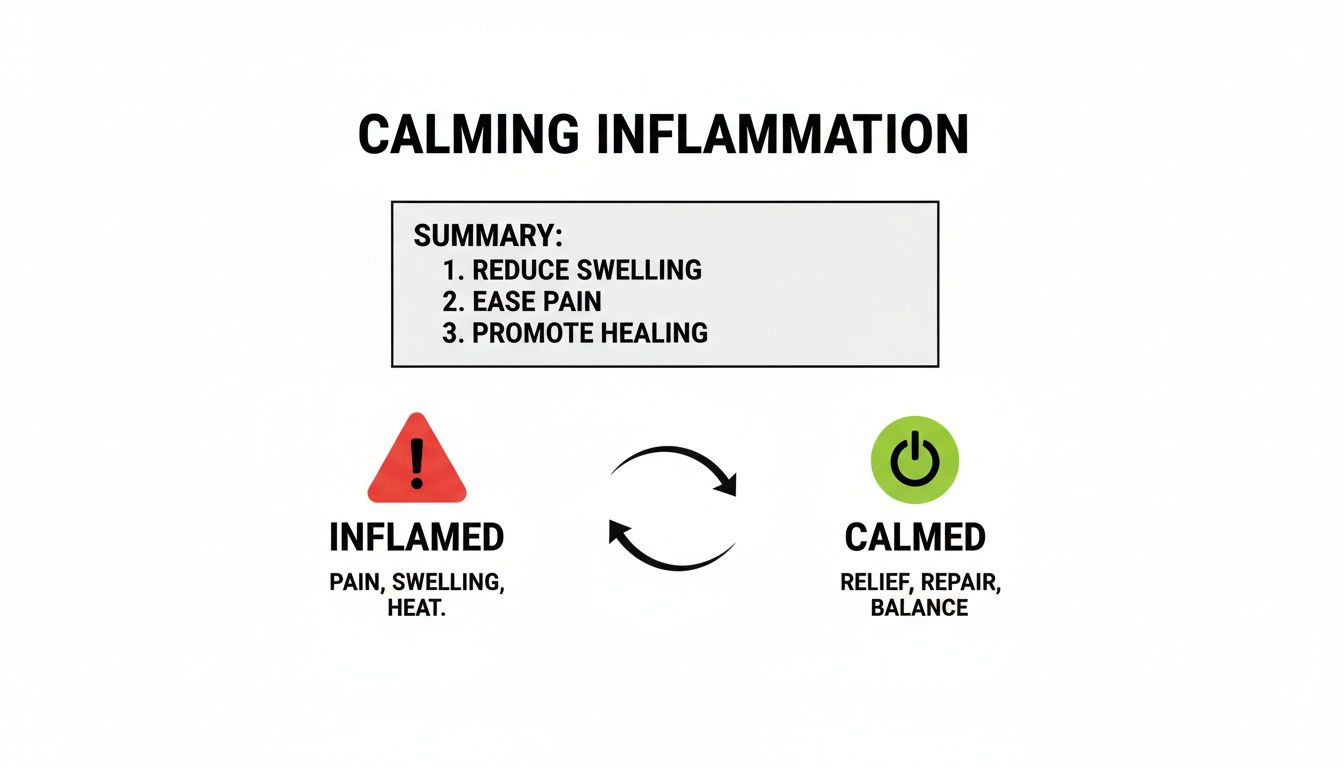
This image nails it – moving from an inflamed state that causes pain and limits function, to a calm state where your body can heal and perform at its best.
Curcumin: The Golden Compound
Curcumin is the powerhouse active compound in turmeric, giving the spice its brilliant yellow colour. It's one of the most studied natural anti-inflammatories on the planet. Its strength lies in its ability to interact with multiple inflammatory pathways at once, including that master switch we talked about earlier, NF-kB.
By helping to dial down this key pathway, curcumin essentially turns down the volume on your body's inflammatory alarms. There’s a catch, though. On its own, curcumin is notoriously difficult for the body to absorb. This is a crucial detail when picking a supplement.
To get around this, you must look for a curcumin supplement that includes piperine (from black pepper) or is formulated with a fat, like phospholipids. These additions can boost its bioavailability by up to 2,000%, making sure your body can actually put this incredible compound to work. To get into the details, check out our complete guide to turmeric and curcumin supplements.
Omega-3 Fatty Acids: Fish Oil and Algae Oil
Omega-3 fatty acids, especially EPA (eicosapentaenoic acid) and DHA (docosahexaenoic acid), are essential fats that are fundamental to managing inflammation. Your body uses them to create molecules called resolvins and protectins, which actively help put the brakes on the inflammatory process.
Think of them as the clean-up crew that arrives after the initial emergency response, ensuring everything returns to normal. The problem is, most modern diets are high in inflammatory omega-6s (from vegetable oils and processed foods) and seriously lacking in omega-3s.
A high-quality omega-3 supplement helps tip the scales back in your favour, giving your body the raw materials it needs to produce its own anti-inflammatory compounds.
The best sources are fish oil from fatty fish like salmon and mackerel, or algae oil – a brilliant plant-based source of both EPA and DHA. For general anti-inflammatory support, a combined daily dose of 1,000-2,000 mg of EPA and DHA is a great target.
Effective Doses and Key Considerations for Top Anti-Inflammatory Supplements
To make things easier, here’s a quick-reference table summarising the research-backed doses and best practices for some of the most popular anti-inflammatory supplements.
| Supplement | Effective Daily Dose Range | Best Practice for Absorption |
|---|---|---|
| Curcumin | 500 – 2,000 mg | Take with piperine (black pepper extract) or a fat source. |
| Omega-3s (EPA+DHA) | 1,000 – 2,000 mg combined | Take with a meal that contains fat. |
| Ginger Extract | 500 – 1,000 mg | Can be taken with or without food. |
| Boswellia Serrata | 300 – 500 mg (standardised) | Take with a meal containing fat to enhance absorption. |
| Vitamin D | 1,000 – 4,000 IU (25-100 mcg) | Take with a meal containing fat, as it's fat-soluble. |
| Magnesium | 200 – 400 mg | Choose a bioavailable form like citrate or glycinate. |
Remember, these are general guidelines. The ideal dose for you can depend on your individual health needs and goals.
Ginger and Boswellia: Botanical Powerhouses
Ginger and Boswellia serrata (also known as Indian frankincense) are two traditional botanicals with impressive science behind them, especially for joint health.
- Ginger: Its active compounds, called gingerols, work by blocking the production of inflammatory chemicals like prostaglandins. It works on similar pathways to some over-the-counter painkillers, but in a more natural way.
- Boswellia: The key players here are boswellic acids. They’re known for inhibiting an inflammatory enzyme called 5-lipoxygenase (5-LOX), which stops the creation of inflammatory molecules known as leukotrienes.
You’ll often find these two bundled together in supplements. That’s because their actions complement each other, offering a two-pronged attack on inflammation that is particularly useful for soothing sore joints.
Vitamin D and Magnesium: Foundational Support
We usually think of Vitamin D and Magnesium for bone health or mood, but they are also vital for keeping our immune system and inflammatory responses in check. Worryingly, a huge number of people in the UK don't get enough of either.
Vitamin D acts more like a hormone in the body, and you need sufficient levels for your immune system to work properly. A deficiency has been directly linked to a more inflammatory state. As a fat-soluble vitamin, it’s always best to take it with a meal that has some healthy fats.
Magnesium is a true workhorse, involved in over 300 different processes in the body. Being deficient can kickstart the inflammatory cascade. It also plays a huge role in calming the nervous system, which is tightly connected to stress-induced inflammation.
How to Choose the Right Supplements for Your Goals
Moving from a general list of anti-inflammatory supplements to a smart, personalised plan is where you’ll start to feel the difference. A one-size-fits-all approach just doesn't cut it, because everyone's body, lifestyle, and health goals are unique. The right supplement for a marathon runner focused on recovery won't be the same as for someone managing joint discomfort or hormonal health.
This is where you shift from simply knowing what these supplements do to understanding how to make them work for you. The secret is to align your supplement choices with your specific goals, creating a routine that gives your body support exactly where it needs it most. It’s a targeted approach that ensures you're investing strategically in your wellbeing.
The move towards personalised nutrition is picking up steam. In fact, UK consumers are increasingly choosing supplements that boost immunity and have anti-inflammatory properties, which now command a 12.6% revenue share in the market. This trend shows a wider understanding that managing inflammation is fundamental to overall health, from your gut to your immune system. You can explore more about this and the growing UK supplements market on Grand View Research.
Building a Supplement Stack for Your Lifestyle
'Stacking' is simply combining specific supplements that work together to achieve a goal. Think of it like putting together a specialised toolkit. Instead of one hammer for every task, you pick a few tools that complement each other. This can create a synergistic effect where the combined benefit is greater than the sum of its parts.
Let's look at a couple of real-world examples of how you might build an anti-inflammatory stack.
Example 1: The Active Individual
- Goal: Speed up muscle recovery, reduce exercise-related inflammation, and keep joints healthy.
-
Potential Stack:
- Creatine: Famous for boosting performance, creatine also has properties that help manage the inflammatory response to a tough workout, helping you bounce back faster.
- Omega-3s: Essential for tackling post-workout muscle soreness and supporting the body's natural repair mechanisms.
- Magnesium: Vital for muscle function and relaxation, it helps prevent cramps and supports your nervous system after intense fitness sessions.
Example 2: The Professional Under Stress
- Goal: Combat stress-related inflammation, improve cognitive performance, and get more restful sleep.
-
Potential Stack:
- Ashwagandha: A powerful adaptogen, ashwagandha helps the body handle cortisol (the stress hormone), which is a major driver of chronic inflammation.
- Magnesium Glycinate: This form of magnesium is easily absorbed and is particularly effective at calming the nervous system, making it perfect for improving sleep quality.
- Mushroom Blends: Functional mushrooms like Lion's Mane and Reishi are great for supporting both cognitive function and a balanced immune response, helping to lessen the physical toll of mental stress.
Stacking isn't about taking more; it's about taking smarter. The right combination addresses your primary concerns from multiple angles, creating a more comprehensive and effective support system for your body.
Timing Your Supplements for Maximum Impact
Beyond what you take, when you take it can make a big difference. Your body's needs and its ability to absorb certain nutrients change throughout the day. Syncing your supplement intake with your body's natural rhythms can amplify their benefits.
Here’s a simple way to think about timing:
- Morning: This is the perfect time for supplements that support energy and cognitive performance. An energy powder or a multivitamin taken with breakfast can lay down a solid nutritional foundation for the day.
- Post-Workout: To tackle exercise-induced inflammation and kickstart recovery, taking creatine and omega-3s within an hour or two after your session is ideal.
- Evening: For supplements geared towards relaxation and repair, taking them before bed is the way to go. Magnesium is a perfect example, as it helps calm the nervous system and preps the body for restorative sleep—which is when most cellular repair happens.
By thoughtfully stacking and timing your anti-inflammatory supplements, you create a routine that is truly your own. It becomes a dynamic tool that adapts to your daily demands, whether you're chasing fitness goals, managing stress, or supporting long-term health.
How to Use Anti-inflammatory Supplements Safely and Effectively
While the potential of anti-inflammatory supplements is exciting, using them responsibly is the most important part of the process. Starting a new supplement routine without a clear strategy can be ineffective at best and counterproductive at worst. Safety, quality, and professional guidance should always be your top priorities.
This isn’t about just grabbing a bottle off the shelf; it's about making informed choices to ensure what you’re taking is pure, potent, and right for your body. A thoughtful approach delivers the best results.
Navigating Potential Side Effects and Interactions
Most natural supplements are well-tolerated, but “natural” doesn’t automatically mean “risk-free.” Some of these anti-inflammatory compounds can have powerful effects and may interact with prescription medications.
For example, supplements known for their blood-thinning properties, like omega-3s, curcumin, and ginger, could amplify the effects of anticoagulant medications such as warfarin. This is exactly why being completely transparent with your doctor is non-negotiable before starting anything new. They can help you sidestep any unwanted interactions and ensure your choices fit into your overall health plan.
Your supplement routine should work in harmony with your body, not against it. Treat supplements with the same respect you would any other health intervention, and never hesitate to ask a professional for guidance.
Combining certain supplements also requires care. While some stacks work brilliantly together, others might compete for absorption in your gut. For a practical look at this, our article explaining if you can take magnesium and zinc together offers valuable insights into smart supplement pairing.
Choosing High-Quality Products
The supplement market is huge and not always well-regulated. The quality, purity, and potency of products can vary dramatically from one brand to the next. To protect yourself and get your money's worth, it's crucial to make quality a top priority.
Here’s what to look for:
- Third-Party Testing: This is your best guarantee of quality. Look for certifications from independent organisations like NSF International or Informed-Sport. These seals confirm that the product contains what the label says it does and is free from harmful contaminants.
- Transparent Labels: A reputable brand will be upfront about its ingredients, dosages, and sourcing. Steer clear of products with vague "proprietary blends" that hide the exact amounts of each active compound.
- Clinically Effective Doses: The best supplements are formulated based on solid scientific research. Check that the doses provided align with those shown to be effective in studies, rather than just containing a token amount of an ingredient for marketing purposes.
Making these checks a standard part of your process ensures you are investing in safe and effective anti-inflammatory supplements that can genuinely support your wellbeing. Your health journey is unique, and seeking professional advice is always the smartest first step.
Finding Your Personalised Anti-Inflammatory Plan

Let’s be honest, navigating the world of anti-inflammatory supplements can feel like a full-time job. With endless options, the real challenge isn’t finding a supplement, but finding the right one for your unique body, lifestyle, and health goals. This is where a personalised approach cuts through the noise.
Instead of guessing, a tailored plan looks at the whole picture: your diet, activity levels, and what you’re trying to achieve. Are you aiming for sharper cognitive performance or better joint support? Knowing this helps pinpoint the most effective compounds for your specific biology, finally answering that nagging "what should I take?" question.
Enhancing Bioavailability and Creating Smart Stacks
A smart plan goes deeper than just picking ingredients. It’s all about how well your body can actually use them—a concept called bioavailability. It’s the very reason why some supplement forms are miles ahead of others in effectiveness.
An effective supplement strategy isn't just about what you take, but what your body can absorb. Prioritising bioavailable forms means you get the full benefit from every dose, ensuring nothing goes to waste.
This means being deliberate about choosing supplements designed for maximum impact:
- Chelated Minerals: Forms like magnesium glycinate are bound to amino acids, which essentially gives them a VIP pass for absorption, making them much easier for your body to recognise and use.
- Methylated B Vitamins: These are the ‘active’ forms of B vitamins. Your body can use them straight away, bypassing conversion steps that many people’s systems struggle with.
This intelligent approach also helps in creating ‘smart stacks’. The idea is to combine compounds that work together synergistically, amplifying each other’s effects without unnecessary overlap. This keeps your routine efficient, targeted, and powerful.
The demand for natural, effective solutions is surging. The UK is a huge player in this space, with the country’s herbal anti-inflammatory supplement market projected to hit an incredible USD 3.35 billion in 2025. This growth is fuelled by a long-standing trust in botanicals for managing inflammation-related conditions like arthritis, which affects a large part of the adult population.
Of course, supplements are just one piece of the puzzle. A genuinely holistic plan can bring in other lifestyle therapies that work in harmony with your supplement routine. For example, learning how an infrared sauna can help with inflammation can offer a powerful complementary strategy. Ultimately, a personalised plan gives you the clarity to take targeted, effective action towards feeling your best.
Common Questions About Anti-Inflammatory Supplements
Diving into the world of anti-inflammatory supplements usually brings up a few common questions. It’s completely normal to want clarity before you start. To help you feel more confident, let’s tackle some of the most frequent queries.
How Long Until I See Results?
This is easily the most common question, and the honest answer is: it depends. There’s no single timeline, as it’s influenced by everything from your starting level of inflammation to the specific supplement and dose you’re taking, not to mention your overall lifestyle.
Some people report feeling a subtle shift in their energy or comfort within a few weeks. But to gauge the full benefits of anti-inflammatory supplements, it’s better to think in months, not days. Giving it a solid 8-12 weeks of consistent use is a realistic timeframe to see how your body is truly responding.
Think of it like watering a plant. You don't see growth overnight, but consistent care over time leads to visible, lasting results. Patience and consistency are your greatest allies.
Can Diet Alone Manage Inflammation?
Absolutely. A well-planned, anti-inflammatory diet is the foundation of good health and can make a huge difference. Filling your plate with whole foods like fatty fish, colourful veggies, nuts, and seeds gives your body a steady stream of nutrients that help keep inflammation in check. For many people, these dietary changes are enough to feel significantly better.
However, supplements can offer a more concentrated, targeted dose of specific compounds that are tough to get in high amounts from food alone. Think of them as a powerful booster—they help fill any nutritional gaps and give your body extra support, especially during times of high stress, intense fitness, or to support longevity.
What Lifestyle Habits Should I Pair with Supplements?
Supplements shine when they’re part of a bigger picture of healthy living. They aren't a magic bullet. To get the most out of your routine, double down on these key areas of men's and women's health:
- Prioritise Sleep: Aim for 7-9 hours of quality sleep each night. This is your body's prime time for cellular repair and naturally dialing down inflammation.
- Move Your Body: Get into a regular rhythm of moderate exercise. Brisk walking, swimming, or strength training are fantastic. Movement boosts circulation and helps your muscles release their own anti-inflammatory molecules.
- Manage Stress: Chronic stress is a huge driver of inflammation. Finding ways to unwind is crucial. Try incorporating practices like mindfulness, deep breathing, or spending time in nature to help calm your nervous system.
Ready to stop guessing and start building a smarter supplement plan? The VitzAI AI-powered quiz analyses your unique health goals to provide personalised recommendations in minutes. Take the free VitzAI assessment today and discover the right supplements for your body.
This article is for informational purposes only and is not medical advice. Always consult a qualified health professional before starting any new supplement or major lifestyle change.